Allergies in Russian Toy Terriers: What to Do and What Types Exist
The most common issue in the miniature breed of Russian Toy Terriers is allergies. Learn how to identify and treat them.
Contents
Since you are the owner of the best dog in the world, the care for it should be appropriate. The miniature size of the breed brings about challenges in maintenance and, unfortunately, health issues. The most common ailment is allergy in the Russian Toy Terrier.
An abnormal reaction of the body to foreign substances, increasingly observed in humans, is also characteristic of Russian Toy Terriers.
Types of Allergies in Russian Toy Terriers
Dog intolerance is classified based on the type of these foreign substances.
- Food allergy. This type of ailment can be triggered by products included in the dog's diet. This includes food proteins found in poultry meat, eggs, fish and fish oil, milk and dairy products, yeast, vegetables, citrus fruits, vegetable oils, and red fruits.
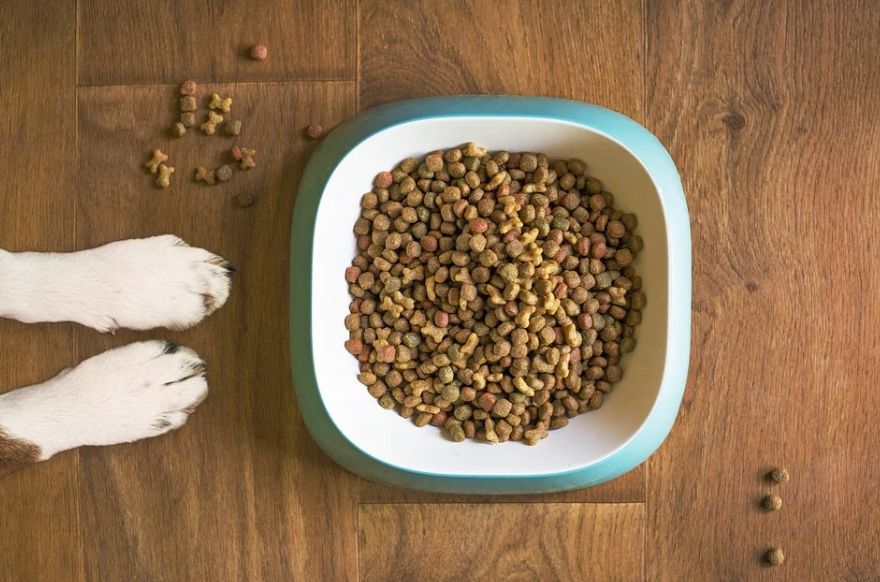
It is better to feed the toy terriers good food to protect the dog from dietary disorders and yourself from nerves. In specialized stores, you can purchase JOSERA dog food — it contains no unnatural or genetically modified ingredients, and the dogs love it.
- Drug allergy. The use of antibiotics in treating diseases can cause an "incorrect" reaction of the dog's body to the medications. Sulfonamides, live vaccines and serums, novocaine, amidopyrine (pyramidone), chloral hydrate are powerful catalysts that provoke a reaction in the body. Unfortunately, even B vitamins (brewer's yeast and B1) can cause such an incorrect reaction.
- Chemical allergy. Household chemicals and dog cosmetics, which many owners use so ruthlessly for their pets, are perhaps the most potent allergens.
- Individual intolerance to allergens, such as the fur and dander of animals that the toy terrier comes into contact with. In some cases, there can even be a reaction to its own shedding.
- Bites. The body most often reacts to bites from parasitic insects, such as fleas, ticks, bees, wasps, bumblebees, and less frequently – mosquitoes.
- Infectious allergy. Abnormal painful reactions can be provoked by bacteria, viruses, fungi, and, of course, worms.
The trouble is that a small Russian Toy Terrier can be struck by allergies at any moment. Moreover, it can manifest either instantly (literally within a few minutes) or through the accumulation of the allergen in the body (after about ten days or even longer).
Allergy in Russian Toy Terriers. Symptoms.
Let’s consider the most common types of allergies in Russian Toy Terriers and the symptoms that allow for timely identification of the disease. For clarity, we will present photos of allergy symptoms in Russian Toy Terriers.
- The Russian Toy Terrier begins to lick its paws, rub its face and sides against the carpet, and bite itself, even though there are no fleas. This is how the dog tries to relieve the itching that is bothering it. These signs indicate the development of hay fever.
Sensitive individuals (and almost all Russian Toy Terriers are sensitive) of this decorative breed are affected. Pollen from plants, dust, small feathers, and dander enter the body through the respiratory system. All of this causes incredible itching, which is most pronounced in the tender parts of the terrier's body – in the groin area, under the armpits, and at the base of the tail. Against the backdrop of allergies caused by hay fever, ear diseases may begin to develop in the Russian Toy Terrier, and dandruff may appear. A precise diagnosis will be established by a veterinarian who will conduct a blood test and examine the dog's fur.
- On areas of the body that are least covered with fur (face, chest, belly), skin redness appears. This type of ailment is caused by direct contact with aggressive chemical agents (shampoo, drops, sprays, flea collars, household chemicals).
- Bumps and abscesses appear on the skin of the Russian Toy Terrier, gradually transforming into sores and pustules. The head and back of the Russian Toy Terrier are the most vulnerable. As they dry, the pustules turn into scabs, which flake off along with the fur. After this, red patches remain on the dog's body. This reaction (pyoderma) is manifested by bacteria of the Staphylococcus medius genus. These bacteria are the cause of inflammation of the hair follicle in the animal.
- Itching caused by flea bites most often manifests against the background of food allergies or hay fever. Decorative dogs bitten by fleas begin to bite their sides and tail, losing fur.
- Dogs clean and treat themselves by licking their fur and skin. But as soon as you notice that the Russian Toy Terrier is literally licking the same spot, raise the alarm. The toy has dermatitis. In the soon-to-be-licked area of the body, inflammation or sores will appear. The causes of dermatitis in dogs are not yet fully understood. Veterinarians tend to believe that dermatitis is a consequence of neuroses in the animal, and sometimes just plain boredom.
- Food allergies are the most difficult to diagnose. The thing is that its symptoms sometimes resemble ordinary food intolerance, but only in appearance.
If we dig much deeper, food intolerance is merely an external manifestation, while food allergy has a negative destructive effect on the animal's immune system. Allergies to food manifest in various ways. The dog may have difficulty breathing, and there may be redness on the skin along with signs of itching and rash. There are often discharges from the eyes and nose without any visible cause. The Russian Toy Terrier may start to frequently urinate and defecate. Upon examination of the oral cavity, a bluish tint of the gums can be observed. If the body's reaction to any product has been ongoing for a long time or is sharply expressed, the mucous membranes begin to swell. The extreme manifestation of an allergy is accompanied by anaphylactic shock, seizures, and difficulties in breathing, which can lead to acute suffocation. This, in turn (and not far off if you do not consult a veterinarian), can lead to cessation of breathing and heart activity in the Russian Toy Terrier.
Allergy in Russian Toy Terriers. Treatment.
But not everything is so bleak. Your task is to timely identify the symptoms of allergy in the Russian Toy Terrier. Leave the treatment to the veterinarian. Only the dog doctor will sort it out and find the cause of such a peculiar reaction of the body by taking samples for laboratory tests.
In principle, as with humans, antihistamines and the elimination of the source of allergies are helpers in treating allergic manifestations in dogs.
- Antihistamines alleviate the condition of the Russian Toy Terrier during hay fever. You are required to conduct daily wet cleaning in the premises and, during the flowering of outdoor plants, limit the duration of walks.
Advice: do not self-medicate your Russian Toy Terrier. The veterinarian should prescribe the medications and dosages.
- In cases of contact allergies – temporarily stop using household cleaning chemicals, do not bathe the dog with special means, and replace the flea collar. To relieve itching in the Russian Toy Terrier, hypoallergenic preparations, such as corticosteroid ointments, can help.
- Treating pyoderma requires establishing an accurate diagnosis. Only then can bactericidal shampoos be used, and unfortunately, antibiotics will be necessary.
- The reaction to flea bites can be reduced with antihistamines. But at the same time, eliminate the parasites in the house.
- There is no single approach to treating dermatitis. Remedies are selected based on individual tolerance. General recommendations include the use of anti-inflammatory ointments and radiation therapy. In particularly severe cases, to prevent the Russian Toy Terrier from licking itself to sores, an "Elizabethan collar" is put on the pet. Antidepressants and tranquilizers are selected very carefully.
- While the veterinarian determines the food allergen that caused the negative reaction, switch the Russian Toy Terrier to a hypoallergenic diet that includes lamb and rice. The drinking water should be either distilled or boiled. No feeding from the table, vitamin, and mineral supplements.
When the obvious signs of allergy disappear, start introducing one component into the diet at a time (first one of the vegetable oils, then something from vegetables, etc.).
And also, keep a reminder of first aid for acute allergic reactions handy:
- Call the veterinarian.
- Exclude exposure to the allergen (if it is obvious and possible).
- If the vet prescribed an antihistamine over the phone, give it strictly in the dose they named. Do not give injections yourself.
- In case of cardiac arrest and cessation of breathing, perform indirect heart massage until the veterinarian arrives.
- In case of vomiting, help the dog by clearing the oral cavity of vomit.
- Position the pet comfortably to allow free access to oxygen.
- If anaphylactic shock begins (swollen muzzle, wheezing, pale gums, the dog collapses), take the dog to the nearest clinic immediately and call them on the way. Only a vet can treat shock.
Let’s hope that this reminder will never be needed. The health of the Russian Toy Terrier should always be under your control.
Frequently Asked Questions
What types of allergies can a Russian Toy Terrier have?
Russian Toy Terriers can have food, drug, chemical allergies, as well as individual intolerance to allergens and allergies to insect bites.
How can I tell if my Russian Toy Terrier has an allergy?
Symptoms of an allergy may include itching, licking paws, biting itself, and rubbing against surfaces, even if the dog has no fleas.
What should I do if my Russian Toy Terrier is diagnosed with an allergy?
It is necessary to exclude the allergen from the dog's diet or environment and consult a veterinarian for treatment.
What food is best for a Russian Toy Terrier with allergies?
It is recommended to choose high-quality foods without unnatural and genetically modified components, such as JOSERA.
Can allergies manifest immediately or accumulate?
Allergies can manifest instantly or accumulate in the body, appearing after a few days.
Found a mistake or outdated advice? Write to us and we will fix it.