How to Choose a Russian Toy Terrier Puppy
In this article, we focus on selecting a puppy based on your goals, not on costs.
Contents
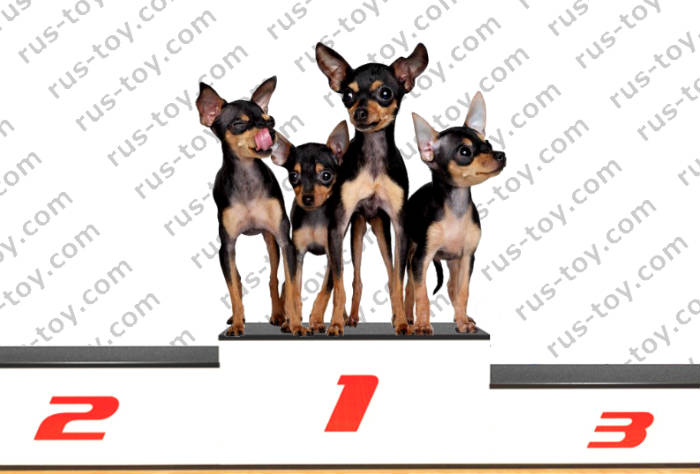
When the decision to become the owner of a decorative dog has taken clear shape and firm confidence, it's time to figure out how to choose a Russian Toy Terrier puppy. The problems that arise during the selection are familiar to many dog owners. Initially, it's about finding breeders or kennels. Then comes the lack of knowledge and understanding of breed standards. Therefore, approach the information in this article with the utmost responsibility.
Why do you need a Toy Terrier? Are you planning to dedicate a lot of time to training and then attending exhibitions? Or do you want to bring even more miniature dogs into the world and plan to breed them for that? Or maybe you can't imagine your future life without a Toy, and you just need one? Your motivation is where it all starts.
General rules for choosing a Toy Terrier puppy.
In this article, we won't discuss the cost of puppies; that's for later. Right now, the main thing is to choose a puppy based on your goals.
So, the breed standards established by the International Canine Federation in simple terms:
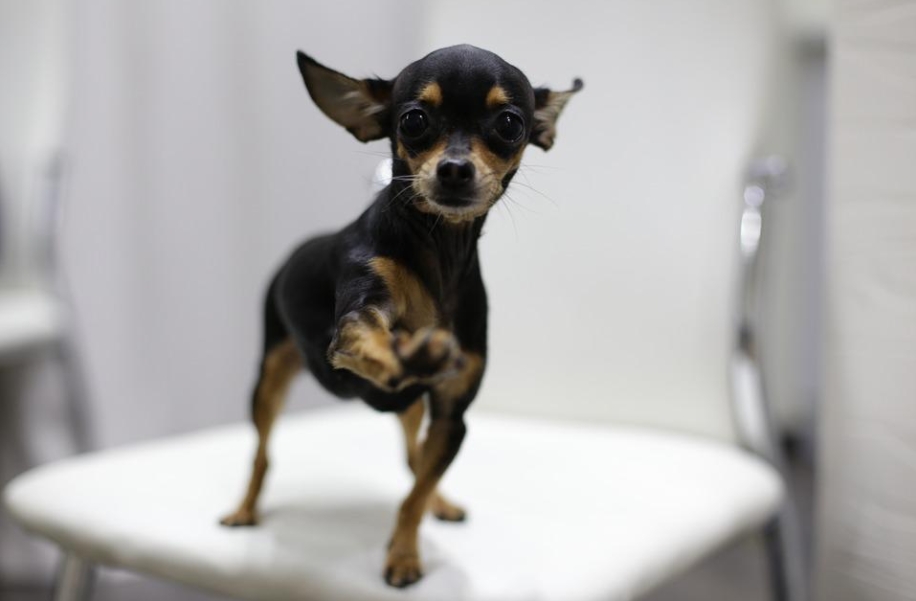
- The puppy should remind you of a small fawn with its long legs and deep chest. Even a two- or three-month-old puppy has a distinctly defined transition from the chest to the belly.
- Look at the puppy from the side – the dog should resemble a square. The length of the puppy should be the same as its height at the withers.
- The chest or paw may be adorned with a small white spot. No large spots. If you plan to take only first places at all exhibitions with your pet, choose a puppy without spots.
- When choosing a male, inspect the testicles.
- The Toy's eyes should be bulging, not protruding. Such eyes in the puppy indicate a large fontanel and increased intracranial pressure.
- Check the puppy's mouth, paying attention to the correct bite.
- The back should be straight, the legs long, and the withers higher than the rear – if you are to choose, then only such a beauty.
What to pay attention to when choosing a dog:
- The puppy should be at least ten weeks old.
- The animal has been vaccinated twice and has gone through the quarantine period.
- The breeder has a veterinary passport for the puppy, which includes vaccination records.
- The Toy's coat should not have bald spots, patches, or marks. No matter what you are told about shedding in Toy Terriers, don't believe it. During the active growth period of the puppy, from three months to six months, the skin on the puppy's head may slightly show through the fur. But this does not mean that any part of the Toy's body can be without fur.
- The puppy should look healthy, which is indicated by clean eyes without discharge, trimmed claws, clean ears, and a well-groomed anal area.
- The activity and playfulness of the puppy of this breed also indicate a healthy organism.
Pay attention to the conditions in which the dogs are bred and be cautious if:
- The decorative dogs are kept in cages.
- You are not shown the puppy's parents or at least their photos.
You can relax if you are introduced to the puppy's pedigree and given the certificate of the little Toy.
Advice: Serious kennels even issue certificates for defective Toy Terrier puppies, marking them as "breeding defect."
An honest breeder will not praise all puppies from the same litter as suitable for exhibitions or breeding.
Flaws are inherent in both people and dogs, even in such small ones as our terrier. It may happen that a puppy has no defects according to the standard, but is not suitable for shows or breeding. There are many subtle nuances, from appearance to character. Simple laypeople wishing to choose a miniature four-legged friend may find these details unclear and indistinguishable. A decent breeder will advise you to choose a puppy for a specific purpose or remain silent about the dog's shortcomings, which could later put their reputation in doubt.
A bit of terminology you will encounter when you start choosing a Toy Terrier:
- PET class. For those who choose a dog "for themselves." Don't think that PET means a defect. Yes, there are some flaws that the breeder sees and understands that such a dog should not be expected to win in rings or produce offspring with high standards. That’s why they sell such puppies as PET class.
- BREED class. This includes Toy Terriers, mainly females, that are not suitable for exhibitions. For various reasons, including temperament. They can participate in shows, but they are unlikely to enjoy it. There are no complaints about dogs in this class according to the standards. What does this mean? Such a representative of decorative dogs is suitable for breeding.
- SHOW class. The name of the class speaks for itself. A bright, thin, elegant Toy Terrier with a doll-like head, healthy both physically and mentally, was born with the desire to participate in and win exhibitions and shows. Even as a puppy, such a dog stands out both in appearance and character.
How to choose a mini Toy Terrier
The division of the Toy Terrier breed into mini and maxi is conditional. Therefore, we will also conditionally divide the Toys by weight categories:
- Large Toy Terrier. An adult dog weighs from two and a half to three kilograms.
- Standard weighs from two kilograms to two and a half.
- A decorative standard dog weighing from one and a half to two kilograms is considered small.
- Mini Toy Terriers weigh around one and a half kilograms.
- Super-mini Toy Terriers are animals whose weight is below the minimum standard threshold. Exceptional miniaturization "gifts" the puppy a whole bouquet of flaws and defects. Even if you are lucky and choose a healthy super mini Toy, take responsibility for the health of the little one.
To avoid searching for the seller who sold you this "hamster," use common sense. You cannot definitively determine what a two- or three-month-old puppy will become when it grows up.
Understanding how difficult it is to choose a mini Toy Terrier, focus on the puppy's weight. A regular Toy at two and a half months weighs about one kilogram, and at three to four months – one and a half kilograms. Mini Toys aged two to three months cannot theoretically weigh more than 700-800 grams.
Video – all about choosing a Toy Terrier
Before heading to the breeder for your little miracle, watch the video to know everything about choosing a Toy Terrier.
Frequently Asked Questions
How to choose a Toy Terrier puppy according to breed standards?
The puppy should resemble a small fawn with long legs and a deep chest. Pay attention to body proportions and the absence of large spots on the coat.
At what age can you take a Toy Terrier puppy?
You should take a puppy no younger than ten weeks to ensure it has gone through the necessary vaccinations and quarantine period.
What is important to check in a puppy before buying?
Pay attention to the puppy's health: clean eyes, well-groomed ears, absence of bald spots, and activity. A veterinary passport with vaccination records is also important.
How to ensure that the puppy was raised in good conditions?
Be cautious if the puppies are kept in cages and you are not shown the parents. Proof of pedigree is also a good sign.
What care does a Toy Terrier puppy need?
Regular grooming of the coat, claws, and ears is required, as well as attention to nutrition and physical activity to maintain health and good spirits.
Found a mistake or outdated advice? Write to us and we will fix it.