How to Raise an Obedient Russian Toy Terrier: 5 Secrets
An unruly pet can make life difficult for its owner.
Contents
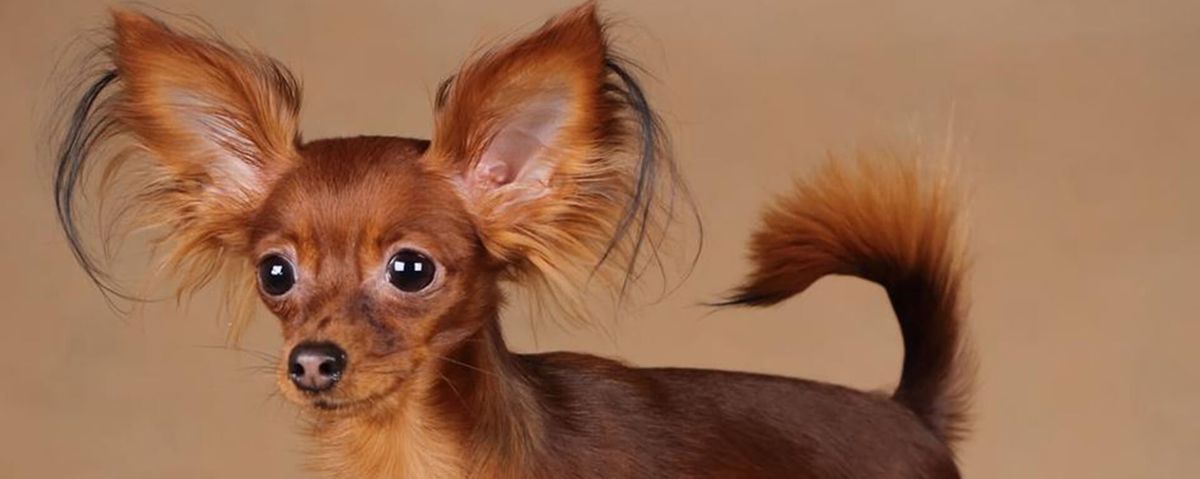
An unruly pet can make life difficult for its owner. It chews on everything in sight, relieves itself wherever it pleases, runs away at the sight of strangers, or, conversely, lunges at passing people and animals. So how do you raise a true loyal friend instead of a little natural disaster? The training tips for Toy Terriers are not different from those for other dog breeds, except for the consideration of the pet's miniature size.
Start Training as Early as Possible
As soon as the puppy arrives at its new home, begin gradual training. It is essential to immediately establish:
- where the dog will sleep ("place");
- where it can relieve itself;
- where it is not allowed to jump;
- how to behave (suppress aggression towards anyone);
- what not to do (damage belongings).
Let the puppy get used to the new living environment, the owner, and the new rules right away.
Patiently Wait for Commands and Rules to Be Followed
This is where patience and character are required. The pet will likely assert its will and test how far it can push the established principles. It is important to immediately stop such attempts so that the dog understands that it cannot outsmart the owner. You should methodically reprimand the little troublemaker every time there is a puddle on the carpet or scratches on the dresser, while showing the pet exactly what it is being scolded for.
This same principle applies when teaching commands. If the dog misbehaves, do not give in to it. If a command is given, it must be followed! When the command is executed correctly, it is essential to praise, and you can give a treat to the little puppy.
Punishment for a Reason
Some owners yell at their pets for no reason. As a result, the Toy Terrier stops listening. It cannot understand what is unacceptable and what is allowed and necessary. Moreover, punishment should follow (if possible) immediately after the act, not several hours later. Otherwise, the dog will not connect the punishment with the misdeed. If the puppy is misbehaving – scold it; if it is doing everything right – praise it.
Do Not Raise Your Voice
Why shout at a defenseless creature? It is better to preserve your own nerves and the dog's psyche. Commands should be given in a calm voice, but with notes of firmness and confidence. You can also develop a set of gestures.
Some commands need to be "created manually." For example, simultaneously with "Sit!", you should gently press down on the Toy Terrier's rear to encourage it to sit.
Start Training in a Calm Environment
It is best to begin training in a quiet, calm home atmosphere. After several such sessions, when the dog understands what is required of it, you can move on to training in different conditions.
Under no circumstances should you abandon training. If it doesn’t work at first, it means the dog needs more time to absorb the lessons.
Training requires repetition. It is also important to monitor the Toy Terrier's well-being. If it shows signs of fatigue and loss of interest, it is advisable to take a break and let the little one rest or move on to learning another command.
Training a dog requires responsibility, consistency, and a strong character. Raising an obedient pet is challenging but rewarding in abundance.
Source: https://zooblog.ru/
Frequently Asked Questions
When to Start Training a Russian Toy Terrier?
Training should begin as early as possible, immediately after the puppy arrives in its new home.
How to Properly Punish a Dog for Bad Behavior?
Punishment should follow immediately after the misdeed so that the dog can connect it with the action. Do not shout; it is better to use a calm but firm tone.
Can Treats Be Used in Training?
Yes, rewarding with treats for correctly executed commands helps reinforce skills and motivates the dog to learn.
How Often Should You Train Your Dog?
Training sessions should be regular and short to avoid tiring the pet. If the dog shows signs of fatigue, it is advisable to take a break.
How to Create a Calm Environment for Training?
Start training in a quiet and calm home environment so that the dog can focus on executing commands.
Found a mistake or outdated advice? Write to us and we will fix it.