Until What Age Does the Russian Toy Terrier Grow
When does the Russian Toy Terrier stop growing? How many months do mini Russian Toy Terriers grow? When is a Russian Toy Terrier considered an adult?
Contents
The question of how long a Russian Toy Terrier grows concerns the owners of puppies of this miniature breed. The growth and development period of a pet is accompanied by many challenges. Experienced dog breeders, knowing exactly how long a Toy Terrier grows, provide maximum support to the puppy's body during this time.
When does a Toy Terrier stop growing?
Dogs that belong to small breeds grow very quickly. The rapid growth phase ends between five to nine months. A more precise determination depends on the breed and the individuality of each dog. Generally, active growth and development of puppies occur until they are six months old. Large breed dogs continue to grow and develop even after one year, although the growth rate is significantly lower.
The health of the future puppy is established while still in the mother’s womb. After birth, the responsibility for the puppy's growth and development falls on the breeders. Therefore, it is essential to acquire a puppy from healthy parents of this breed and a responsible breeder.
From that point on, you take a puppy, and as the new owner, you are responsible for it.
The first six months of your four-legged friend’s life are characterized not only by an increase in height and weight but also by the changing of teeth. During this time, the tubular bones grow and fully form, and their proper development affects the proportions of the animal's body.
After six months, the growth of the Toy Terrier begins to slow down, while weight continues to increase. The period up to one year is marked by the intense development of the rib cage, as the flat bones grow actively.
Until what age do Mini Toy Terriers grow?
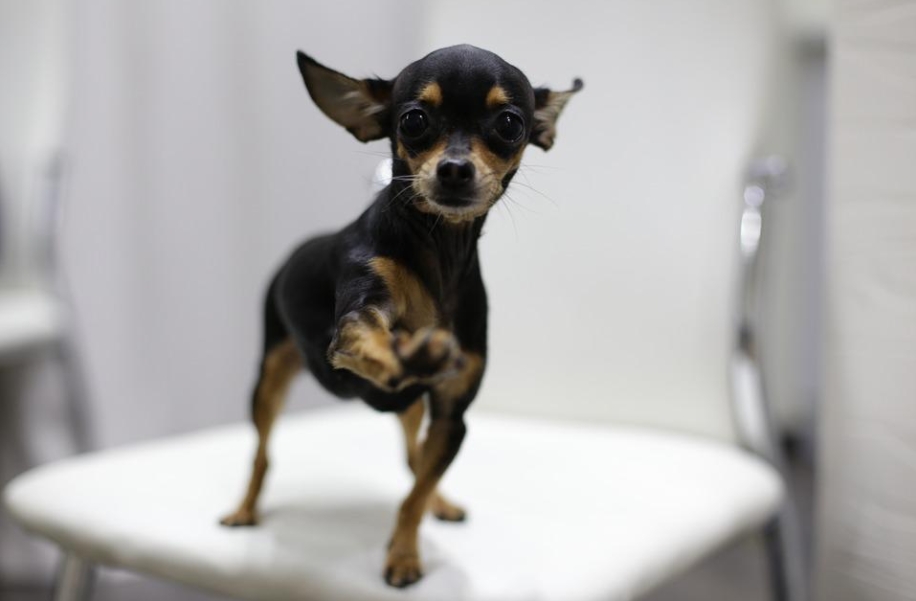
You might be surprised at how long Toy Terriers, including Mini Toy Terriers, grow. The accelerated growth of the miniature dog stops at four to five months. It is worth noting that as the puppy grows, its brain activity also develops actively. A four-month-old Toy Terrier puppy is intellectually comparable to an adult dog.
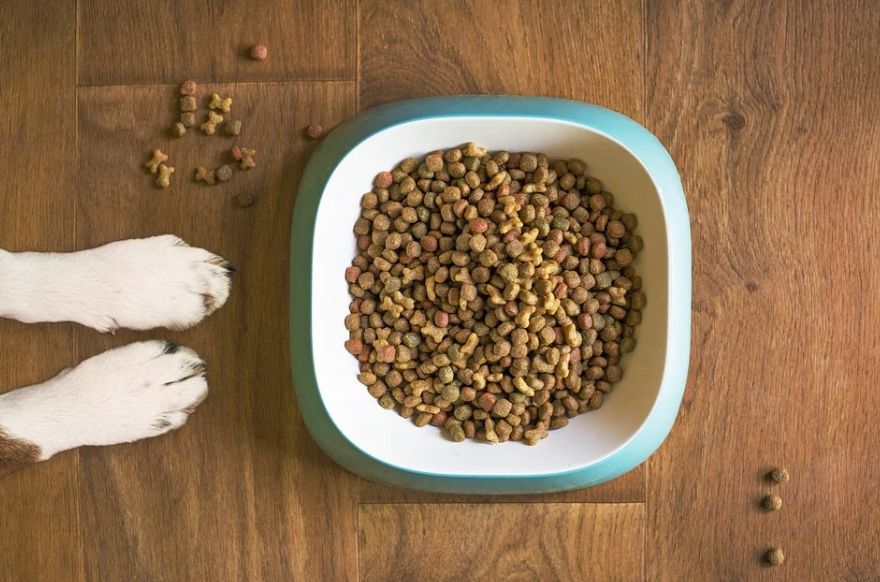
Let’s clarify that these data are averaged, as the growth and development of the animal are significantly influenced by the dog's diet, the conditions in which it is kept, care, training, and upbringing. Special attention should be paid to proper nutrition during the period of growth and development, ensuring that the food contains both proteins and vitamins. Excessive loads during training or, conversely, a sedentary lifestyle for the Toy Terrier can lead to the destruction of the still-forming bone tissue, which may later result in musculoskeletal diseases.
Tip: Proper nutrition for the puppy does not mean overfeeding. Otherwise, in addition to excess weight, you will also gift the growing dog joint and bone diseases.
But first and foremost, normal development, including growth, is only possible in the absence of genetic predispositions to diseases.
When is a Toy Terrier considered an adult?
Like any other dog, a Toy Terrier becomes an adult when it stops growing, that is, when the growth period ends. For a decorative dog, adulthood occurs between six months to one year. There are specific reasons for this time variation. Final maturity occurs when the dog:
- has a complete replacement of milk teeth with permanent ones.
- has a predominance of high muscle tone. The physical activity of the dog allows muscles to grow, form, and develop, preventing fat accumulation.
- has a neat, silky coat, not a puppy fluff.
- has clear corneas without discharge.
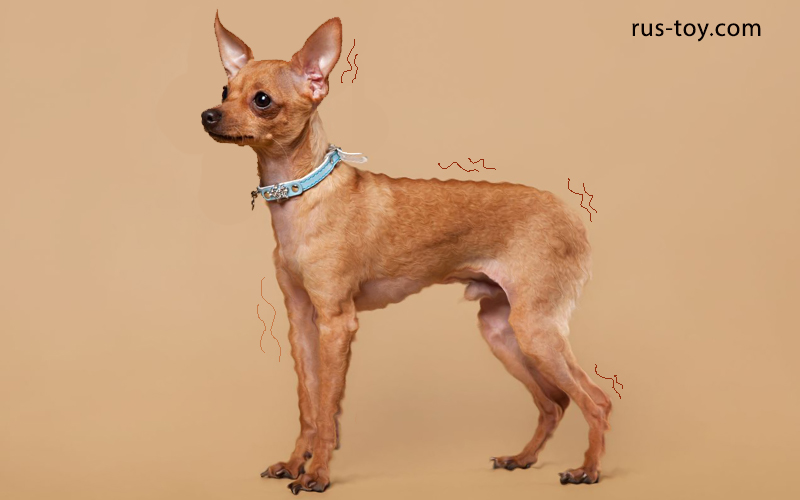
It is not advisable to rely solely on height to determine if your pet is already an adult. For Toy Terriers, even the standard allows for height variations at the withers – from twenty to twenty-eight centimeters.
The weight of the small family pet can range from one and a half kilograms (Mini Toy Terriers) to three kilograms. As you might understand, females are slightly smaller, while males are larger. The weight difference is about five hundred grams. The standard specifies the average weight of an adult Toy is up to 3 kg, while a Mini Toy ranges from 1.5 kg to 1.8 kg.
A standard three-kilogram mother can give birth to puppies, one of which may be much smaller than its siblings. Conversely, a small dog can produce true Hercules among Toys.
If you are interested in the common belief regarding the ratio of dog age to human age, here’s an example for you:
- A six-month-old puppy is developmentally similar to a ten-year-old child.
- A one-year-old dog is equivalent to a fifteen-year-old teenager.
- A three-year-old dog reaches its prime, like a thirty-year-old human.
- A ten-year-old dog corresponds to the time when a human retires.
- To live to a hundred human years, a dog would need to be around twenty years old.
Whether to believe this notion or not is up to you. The main thing is to clearly understand that both a small puppy and an adult animal require proper care that meets the needs of the pet and ensures necessary procedures that improve quality of life and maintain the health of your beloved companion.
Frequently Asked Questions
Until what age does a Russian Toy Terrier grow?
A Russian Toy Terrier usually completes its active growth between five to nine months.
When do Mini Toy Terriers stop growing?
Mini Toy Terriers cease their intense growth at four to five months.
When is a Toy Terrier considered an adult?
A Toy Terrier is considered an adult when it completes its growth period, usually by one year.
How to ensure proper growth of a Toy Terrier?
It is important to monitor proper nutrition and moderate physical activity, avoiding excessive exertion.
What influences the growth and development of a Toy Terrier puppy?
Growth is influenced by diet, living conditions, care, and the presence of genetic predispositions to diseases.
Found a mistake or outdated advice? Write to us and we will fix it.