Why the Russian Toy Terrier Started Peeing and Pooping Everywhere
The inappropriate behavior of your four-legged friend can be quite exhausting.
Contents
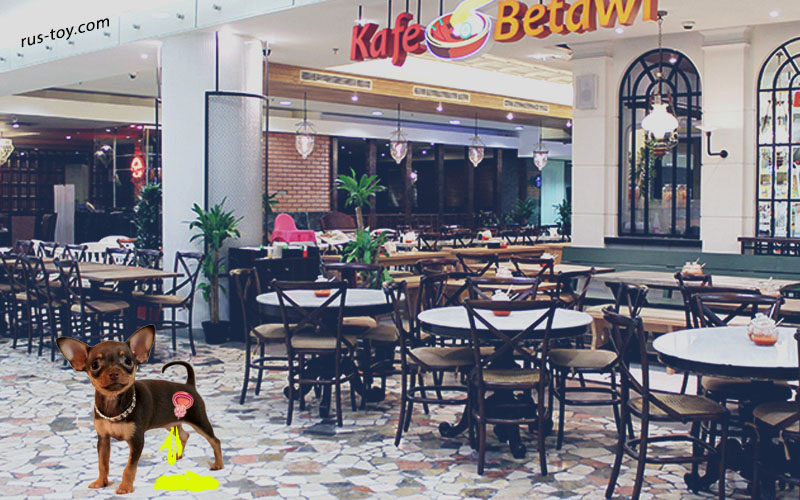
The article will discuss Russian Toy Terriers that were once trained to use the toilet. It doesn't matter where the pet chooses to relieve itself—whether it's outside, in a litter box, or on a pad in the apartment.
What matters is that at some point, the dog stops using the designated spot for urination and defecation and starts doing it wherever it pleases.
Dogs that create such problems can be conditionally divided into two categories.
- The first category includes the Russian Toy Terrier that was trained from a young age to use the "potty," but the training lacked firmness. Occasional accidents outside the litter box were perceived by the owner as "nothing serious." Alternatively, a dog that was taught to relieve itself outside was sometimes "allowed" to go to the bathroom indoors.
- The second category consists of the Russian Toy Terrier that never allowed itself to even miss the designated spot. Even a long absence of the owners in the house was not a reason for relieving itself. The pet patiently waited for your return and did not allow itself such behavior. And suddenly, out of nowhere, the little dog starts going to the bathroom in an unapproved spot. What is this? A rebellion? Why is the Russian Toy Terrier urinating/defecating wherever it pleases when everything was fine?
Let's start with the bad news. Undesirable behavior in a pet can be caused by issues with the gastrointestinal tract or the urinary system. Consult a veterinarian for necessary examinations and treatment. Never punish the dog if a diagnosis is confirmed. During treatment, increase the frequency of outdoor walks so the animal can relieve itself.
If the Russian Toy Terrier was trained to use a litter box or pad, lay down more pads in the house or place additional litter boxes. You might try to narrow the space the dog can move around in the apartment. For this, restrict access to living rooms. Leave the kitchen and hallway available for the pet. And, of course, remove carpets from the floor.
Another physiological reason could be stress experienced by the Russian Toy Terrier. Any sudden change in the animal's life can provoke unpredictable reactions in the dog's body, particularly uncontrolled urination and defecation.
Pregnant Russian Toy Terriers, like all expectant mothers, tend to go to the bathroom more often than usual. Naturally, a pregnant dog cannot wait for your return from work and will do its business in the apartment (if the dog usually relieves itself only outside). Therefore, for a dog expecting puppies, place a litter box or pad in the apartment. Once the dog gives birth to puppies, everything will normalize, and the dog will, as before, relieve itself in the designated spot.
Now for the good news. If your Russian Toy Terrier is completely healthy and currently not pregnant, but is urinating and defecating wherever it pleases, then it is not the dog's fault. The blame lies with you. How are you involved? It's simple.
If the Russian Toy Terrier is trained to relieve itself exclusively outside, and suddenly starts doing it indoors, then:
- You have clearly increased the time gap between the morning and evening walks. The pet simply cannot hold it until your return. Has it ever happened that your four-legged friend urinated upon seeing you right in the hallway? Or starts the process of relieving itself on the landing?
- You have shortened the dog's walking time. In a short time, the dog does not have enough opportunities to relieve itself multiple times. Just one urination during the walk is not enough.
If the dog is trained to use a litter box or pad and starts misbehaving, then:
- You may have made changes to the pet's diet, increasing the amount/volume of diuretic foods.
- You are still struggling with the Russian Toy Terrier for leadership in the house, and the puddles and piles appearing around the apartment indicate an attempt to dominate.
How to train a Russian Toy Terrier not to defecate indoors.
Let's leave the Russian Toy Terriers that urinate and defecate wherever due to illnesses alone. You understand that veterinary assistance is needed here. However, we are happy to share how to train a healthy terrier not to relieve itself indoors.
First, review the walking schedule to increase the duration and number of outings. Walk the dog after it has eaten. Walk for a long time, so the little friend cannot hold it and will do its business. And at that moment, you must, even should, react enthusiastically to the relief.
Pet, praise, and treat the dog with a treat. Show your uncontainable joy at this event with your entire demeanor. Secondly, active play will help speed up the elimination of waste during walks. You cannot imagine how effective this method is.
In addition to ensuring the dog goes to the bathroom outside, play promotes the physical development of the animal and establishes a bond with the owner.
If your Russian Toy Terrier walks with its fellow dogs, that's even better. They will not only have fun and run around together but will also relieve themselves together.
Thirdly, review the animal's diet to reduce the volume of diuretic components. This is especially important for dinner. Do not feed the dog kefir, vegetables, or fruits at night. But if it cannot be avoided, either walk the dog before bedtime or refrain from asking questions like "Why has the Russian Toy Terrier started urinating wherever?"
If the little dog makes a puddle or pile in front of you—punish it. Give the command "No!" or "Stop!" You can tap its bottom with a newspaper or pick it up by the scruff and shake it. In any case, you must react negatively to the action. However, if puddles and piles appear around the apartment with enviable regularity and you cannot catch the pet in the act, then of course you should not punish it.
Then, play on the contrast. Praise and spoil the Russian Toy Terrier as soon as it relieves itself in the designated spot in your presence. You can even overdo it in this. Nothing wrong with that. The Russian Toy Terrier will understand that if it goes to the bathroom here, you are very happy and give it treats.
When the Russian Toy Terrier starts marking.
The inappropriate behavior of your four-legged friend, expressed in the desire to leave its "mark," can significantly strain your nerves. This flaw is primarily characteristic of males. When the Russian Toy Terrier starts marking the wallpaper on the walls, the wardrobe, or the front door, do not procrastinate in correcting its behavior.
There are more than enough reasons for the dog to leave its own marks:
- Hormonal issues. We placed this problem first not because it is common, but because it is the only one that requires veterinary intervention. You are unlikely to determine it on your own. Here, you need the help of a dog doctor.
- There are several representatives of the Russian Toy Terrier breed of the same sex living in your home. Naturally, there will be a "battle" for territory among the males. Marking furniture and walls is a way for the dogs to claim space.
- Another dog has visited your home. Of course, your Russian Toy Terrier will hasten to assert itself on its territory through "marks."
- A female dog living nearby is currently in heat. Your boy is so ready to "love" that he expresses his desire in the apartment.
- Stressful situations can provoke such behavior. Once the dog's nervous system returns to normal, the desire to mark will disappear.
- And perhaps the most serious reason for a miniature terrier is the desire to dominate. This happens when your upbringing is not strict enough in establishing leadership, or you do not pay any attention to it. By marking in the apartment, the dog tries to dominate you, to become the leader of your "pack."
What measures should you take to train the dog out of this inappropriate habit:
- Only punish if you catch the pet in the act.
- Walk more frequently and for longer. Let it mark outdoor spaces, as there is plenty of room to roam.
- You can use a pen to limit the space for inappropriate behavior.
- After consulting with a veterinarian, start giving the pet calming medications.
- Make it clear to the dog that you are the leader of the family, and it is just a member of the pack. To do this, clean up its marks.
Above the places where the Russian Toy Terrier has marked, leave your "mark." This could be your cologne or a chlorine-containing substance. You can rub that spot with your shirt or even socks that you have already worn. In any case, your scent must be above that of the dog. This way, you assert your right to leadership.
Training a Russian Toy Terrier to be clean will take you no more than two weeks. But it will definitely be worth it!
Frequently Asked Questions
Why has my Russian Toy Terrier started urinating at home when it didn't before?
This may be related to health issues, stress, or changes in the walking routine. It is recommended to consult a veterinarian for an examination.
What should I do if my Russian Toy Terrier has started defecating in the apartment?
Increase the frequency of walks and limit the dog's movement space. Also, check its health.
How can I help my pregnant Russian Toy Terrier with the bathroom?
Place a litter box or pad in the apartment so the dog can relieve itself without waiting for your return.
Can stress cause bathroom issues in a Russian Toy Terrier?
Yes, sudden changes in the dog's life can cause stress and lead to undesirable behavioral reactions, including urination and defecation in inappropriate places.
What should I do if my Russian Toy Terrier, which is used to going outside, has started doing its business at home?
You may have increased the time between walks, and the dog cannot hold it. Try shortening this interval.
Found a mistake or outdated advice? Write to us and we will fix it.