Why the Russian Toy Terrier Won't Eat
Despite their small size, Russian Toy Terriers eat well. A persistent refusal to eat may indicate various health issues.
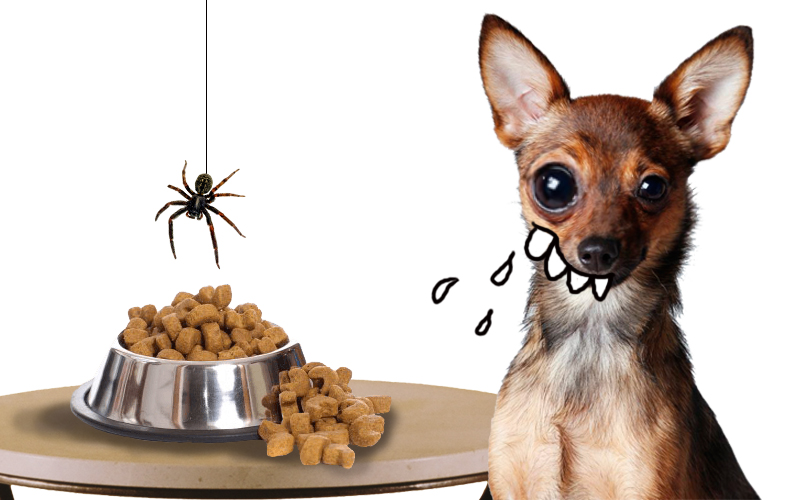
Food is energy for both humans and animals. The feeling of hunger (a kind of desire of the body) requires that the body's energy reserves be replenished.
A dog that feels hungry starts to ask for food.
Possible reasons for refusing to eat.
A Toy Terrier doesn’t even need to be called for the next meal. Despite their miniature size, the little dog eats very well.
Therefore, when a Toy Terrier is not hanging around the kitchen and not touching the food, the owner has a reasonable question: “Why isn’t my Toy Terrier eating?”. However, let’s not touch on the following topics:
- why the pet won’t eat oatmeal but will eat chocolate.
- why the little dog only eats from the table and not from the bowl.
- why the Toy Terrier only takes food from the hand.
All these “whys” only indicate the pet's capriciousness. Don’t indulge your pet in this. Try changing the bowl; perhaps the material it’s made of is not to the dog’s liking.
When to worry if the dog isn’t eating anything.
Things are much worse when a four-legged friend hasn’t touched food for more than a day, doesn’t want water, and turns its nose up at treats. A persistent (not one-time) refusal to eat can mean the following:
- The Toy Terrier may have dental problems. A broken tooth or inflamed gums will prevent the dog from chewing food properly and will cause pain when biting. If a Toy Terrier puppy is eating very poorly, the first thing to do is to check its mouth. Two teeth can be in one dental pocket, one of which may be a permanent tooth and the other a baby tooth.
- Various ear infections can provoke a loss of appetite in the pet. When the Toy Terrier starts chewing on something hard, each chewing motion can trigger sharp pain in the ear.
- If the dog isn’t eating and is vomiting, it’s likely that it has been poisoned. This reaction can also occur with medical medications.
- A complete lack of appetite against a backdrop of lethargy, body tremors, decreased physical activity, and difficulty breathing indicates illness. Urgently take the Toy Terrier to the veterinarian.
- Ulcer disease or a course of chemotherapy that the dog is undergoing does not stimulate the animal's desire to eat.
- The postoperative period is very tough for a small, frail Toy Terrier. The recovery process is long. The dog feels so poorly after anesthesia that it has no interest in food at all. Therefore, start feeding with small portions. The food should be light, nutritious, and liquid.
- Your pet will not eat oversalted food or low-quality feed, expired or moldy. Change the brand of food and observe the appetite.
- Pregnant Toy Terriers may experience toxicosis. Refusal to eat for up to ten days in the first half of pregnancy is safe for both the mother dog and the future puppies. If the dog stops eating in the second half of pregnancy, with strong toxicosis, be sure to take the animal to the veterinarian for examination and consultation.
- The most dangerous refusal to eat occurs after giving birth. A young mother desperately needs to regain strength, replenish her body with minerals and vitamins, and pass beneficial substances through her milk to her puppies.
- The presence of worms in the dog’s body is the most common reason for refusing to eat. Additional symptoms of parasites in the body include a bloated stomach and lethargy.
- Psychological problems can negatively affect the replenishment of the dog’s energy. Decorative dogs tend to worry and become anxious due to loud sounds from thunderstorms or fireworks. The dog’s anxiety may be caused by separation from its beloved owner. The state of anxiety in the Toy Terrier will disappear, and with it, the appetite will return, as soon as the source of the problem is gone.
- In addition to anxiety, psychological problems include depression in the animal caused by a change of residence or, again, separation from its beloved owner or family member.
- An unfulfilled natural instinct for reproduction in the form of a lack of sexual activity. Most often, refusal of favorite walks, games, and meals is observed in male Toy Terriers. As soon as the “groom” has the opportunity to mate with a “bride,” the bad mood will vanish like magic.
Frequently Asked Questions
Why isn’t my Russian Toy Terrier eating?
Refusal to eat can be caused by various reasons, including dental issues, infections, or even poisoning. If the dog hasn’t eaten for more than a day and shows other symptoms, consult a veterinarian.
How can I tell if my Toy Terrier's refusal to eat is serious?
If the pet hasn’t eaten for more than a day, isn’t drinking water, and shows lethargy, this is a serious signal. The dog should be taken to the veterinarian immediately.
Can a pregnant dog refuse to eat?
Yes, in the first half of pregnancy, refusal to eat for up to ten days can be normal. However, in the second half of pregnancy, this may indicate toxicosis, and a veterinarian's consultation is required.
What should I do if my Toy Terrier isn’t eating after surgery?
The postoperative period can cause a decrease in appetite. Start feeding the dog small portions of light and nutritious food.
How can changing the food affect my Toy Terrier's appetite?
If the dog refuses to eat, it may be due to low-quality or spoiled food. Try changing the brand of food and monitor the pet's reaction.
Found a mistake or outdated advice? Write to us and we will fix it.