Aggression in Russian Toy Terriers
Aggression in Russian Toy Terriers often puzzles many, but it's a common issue. Learn how to address it in this article.
Contents
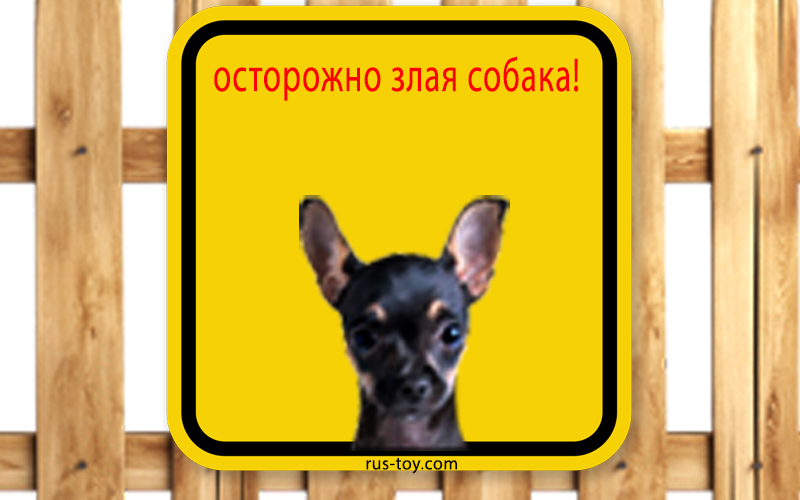
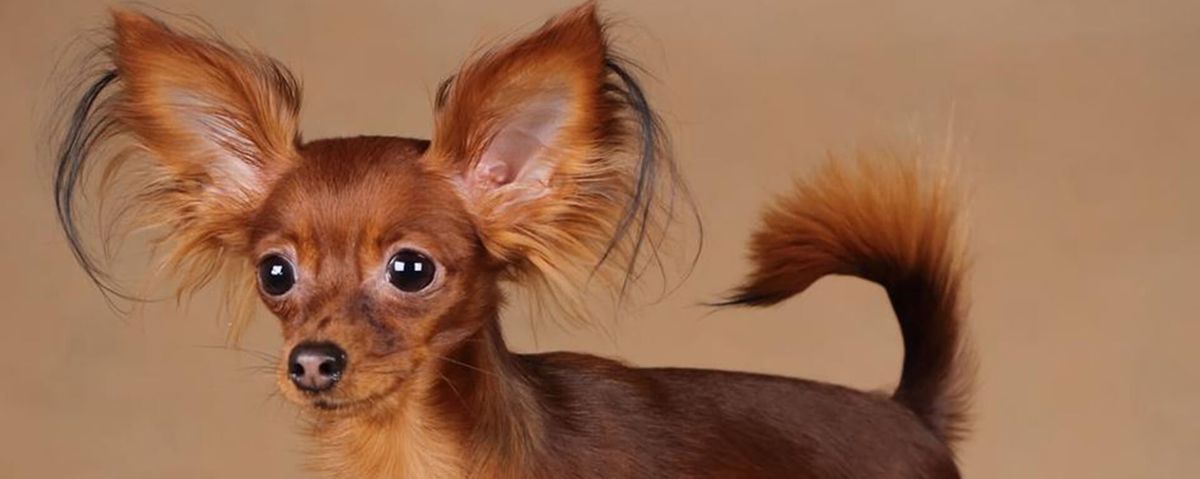
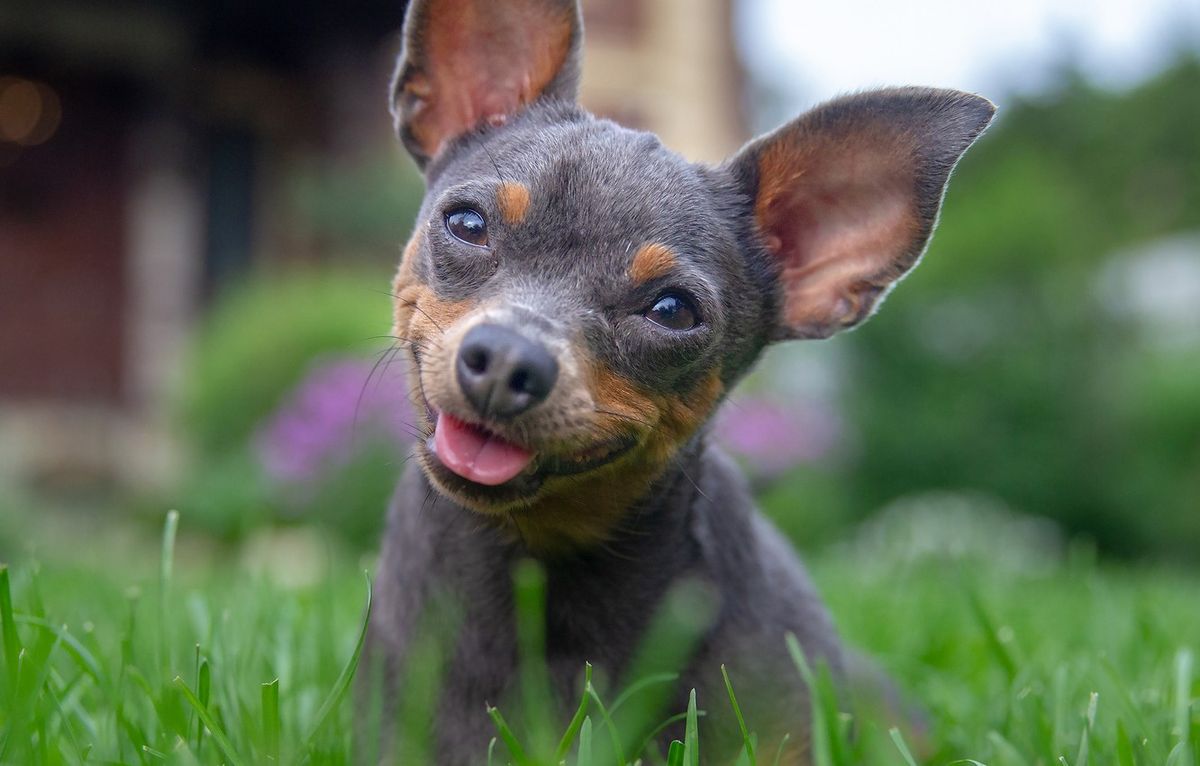
When a Toy Terrier puppy arrives in the house, the whole family is looking forward to the joy of interacting with the little, yappy bundle of fur.
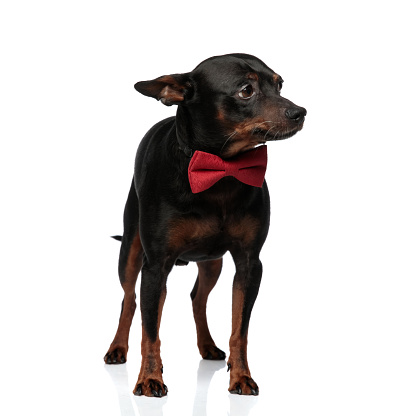
In the mind of every owner of such a decorative dog, the Toy Terrier is a fantastically kind and cheerful creature. And for many, the aggression of a Toy Terrier is a real revelation that causes confusion.
Why is the Toy Terrier aggressive?
Where does so much anger and aggression come from in such a small, frail body? Why does the Toy Terrier bite and not listen to me? These questions that arise among owners are not so rare.
Do you remember the "Napoleon complex"? Uncontrolled bouts of aggressive barking, the desire to dominate all household members (despite the huge difference in weight and height), anger towards similar beings and humans – all of this is a consequence of "poor" upbringing of the dog, or more precisely, its complete absence.
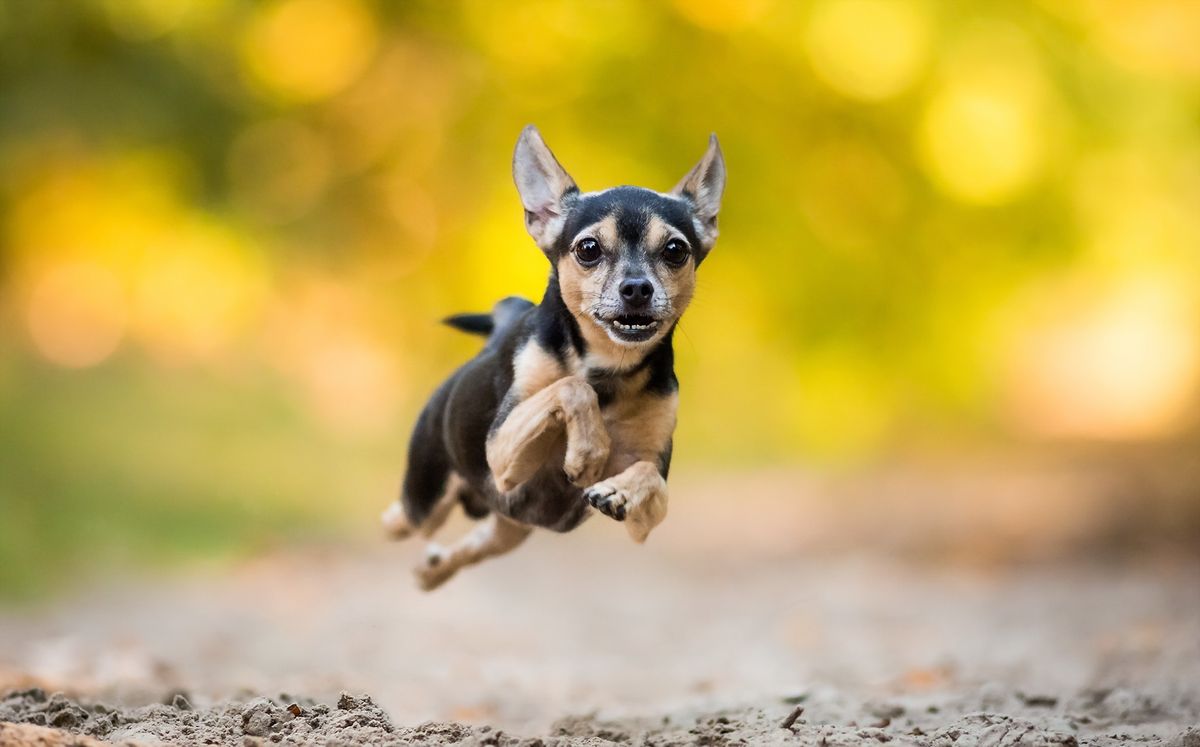
The Toy Terrier is a small decorative dog that is characterized by mobility, fearlessness, high activity, and the need for self-assertion due to its compact size. It is this need for self-assertion that "works wonders" with the dog's character. Starting from games in early age, the puppy will try to bite. During play, this desire manifests unconsciously, due to natural instinct. When a puppy bites, it expresses its emotions in this way.
Observe puppies playing with each other, or a mother and her puppies – they bite each other during play. Also, bites distract your young pets from itching and pain during the transition from milk teeth to permanent ones. If a puppy is separated from its mother and siblings too early, it starts to see you as its kind and continues to play with you as it would with them.
The skin of dogs is much thicker than that of humans, so such bites do not cause any discomfort to our four-legged friends. If a puppy bites its relative too hard, the latter will definitely yelp and retaliate. And a mother who receives a strong bite during play from her offspring will certainly punish the naughty one. In general, animals clearly communicate to each other when play has gone too far.
Little sharp teeth often scratch the hands of their owners during play, but sometimes the puppy can bite through human skin to the point of bleeding. If this seemingly innocent mischief is ignored by the owners, the puppy will develop a bad habit of biting its owners over time.
If we summarize the reasons why a Toy Terrier puppy bites, we get the following:
- the puppy was weaned from its mother too early.
- the baby is teething.
- the puppy lacks social interaction.
- the little dog needs training.
How to stop a Toy Terrier from biting?
Waiting for the puppy to grow up and stop biting is a thankless task. Therefore, do not postpone the training of the dog; from the very first days of its arrival in your home, teach the Toy good manners. It is much easier to eliminate aggression at an early stage than when the dog is an adult.
It is not difficult to stop a Toy Terrier from biting; just methodically follow these steps:
- When playing with the Toy and getting bitten, end the game. Do this clearly. You can freeze in place, stand up and walk away from it, or act as its mother would – grab it by the scruff and shake it a little. This way, you will cool the puppy's enthusiasm.
- You can give the puppy a light slap (but definitely not hard) and command "no!" or "stop!". Here, you will kill two birds with one stone – teach the dog not to bite and get it to follow commands.
- Offer the Toy Terrier an exchange. As soon as the puppy bites you, present it with a toy. If it accepts the toy, losing interest in your hands, reward it with a treat. With this method of weaning from biting, it is important to always have a toy on hand.
- A chewy bone, a latex ball.
- Try treating the items it chews on. For treatment, pepper or "anti-bite" spray works well.
- Use water. For this, fill a spray bottle with water and at the first attempt to bite, spray it in the puppy's face. This will cool the puppy's enthusiasm. Water will not harm your pet, but the unpleasant sensation will be remembered.
- If you can't handle it yourself, seek help from professional trainers. They will teach the dog to behave "properly" and inform you about the peculiarities of training a Toy Terrier.
It may seem strange, but clear rules will help manage aggression in a Toy Terrier:
- The dog should not jump on unfamiliar people.
- Prevent the puppy from barking or growling without any reason.
- Clearly define personal space. For example, do not allow the dog to climb onto your lap.
- And the main rule – the dog should not sleep in the same bed with you.
Frequently Asked Questions
Why does my Russian Toy Terrier bite?
Biting may be a result of lack of training, early weaning from the mother, or natural instinct during play.
How can I stop my Toy Terrier from biting?
Start teaching good manners from the first days of the puppy's arrival in the house and do not allow aggression to develop.
What should I do if my puppy bites during play?
Distract it with toys and teach that biting is unacceptable to prevent the development of a bad habit.
How can I tell if my Toy Terrier is showing aggression?
Aggression can manifest in uncontrolled barking, biting, and attempts to dominate household members.
Can aggression in a Toy Terrier be related to its size?
Yes, small size can contribute to the "Napoleon complex," where the dog tries to compensate for its size with aggressive behavior.
Found a mistake or outdated advice? Write to us and we will fix it.