Cold in Dogs: Runny Nose and Fever
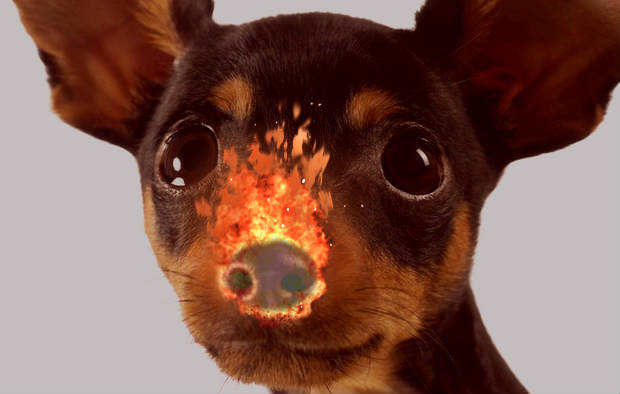
A dog's runny nose may be caused by bacteria affecting its respiratory system, resembling symptoms of ARVI.
Contents

A strong immune system allows a dog to live its happy dog life without health problems. However, the activity and friendliness inherent in our four-legged friends often prevent the animal from restoring its physiological resources. No, we are not advocating for keeping your pet confined to four walls and walking in the park exclusively on a short leash at a slow pace. This is about your attention to the first signs of a cold in dogs, which, without proper treatment, can lead to serious consequences.
An animal cannot catch a common cold from its owner, and strains of acute respiratory viral infections in humans do not pose a threat to dogs. However, a pet's runny nose may be caused by bacteria affecting the animal's respiratory tract. In this case, the symptoms are similar to ARVI.
What Affects a Dog's Susceptibility to Illnesses
The frequency and susceptibility to colds are influenced by the following factors:
- Heredity. A dog with a weak gene pool literally attracts various cold diseases like a magnet.
- Age of the dog. The older the pet, the weaker its immune functions.
- Hypothermia. This does not mean that the risk of colds increases for animals swimming in icy water. To catch a cold, a dog that has gotten wet in the rain only needs to be exposed to a draft or stay in low temperatures for a certain period. The animal's body will not be able to maintain natural thermoregulation for long, which will inevitably lead to your pet getting chilled.
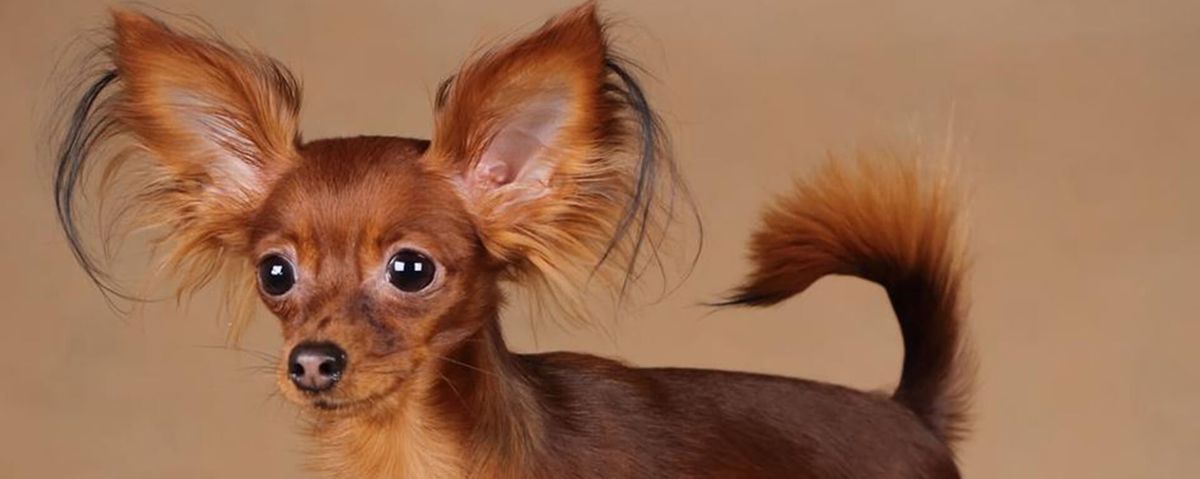
It should be noted that this factor is most characteristic of small decorative breeds, such as the Russian Toy Terrier. Since the baseline body temperature in toys is high, hypothermia causes them more harm than larger dogs.
- Living conditions. Immunity is suppressed not only by viruses. The health of the animal weakens with improper nutrition, uncomfortable temperature and humidity in the living environment, non-compliance with vaccination schedules, or lack thereof.
- Contact with sick dogs. Of course, there is nothing easier than taking your pet for a walk and standing aside while it frolics with its peers. But remember that your pet should avoid contact with other dogs if they are unvaccinated or sick. Either ask the owner of the sick dog to leave the dog park or move your four-legged friend to a safe place.
- Parasites. Various parasites undermine the animal's immune system, and besides giving the animal dangerous infections, they also pave the way for additional diseases, such as colds.
Runny Nose in Dogs
The symptoms of rhinitis or a runny nose are familiar to everyone. Nasal congestion, along with constant discharge, disrupts the usual life rhythm of dogs as well. However, the pet cannot independently drip its nose or drink hot milk with honey. That’s where you come in.
If the dog is sneezing and snorting, rubbing its nose with its paw, check the animal for other signs of a runny nose:
- Discharge from the nose of various consistencies (clear, yellow, green).
- Difficulty breathing.
- The animal has started to snore and wheeze during sleep.
- The dog rubs its nose with its paws.
- The pet shows a decrease or complete loss of appetite.
- The animal sneezes.
- Tears are flowing from the eyes.
- Due to nasal congestion, the dog's sense of smell worsens.
Treatment of Runny Nose in Dogs
Before starting treatment for a dog's runny nose, determine the cause of the runny nose. Did your four-legged friend walk in the cold rain for too long or get into a fight with the neighbor's dog and injure its nose? The cause of the abundant nasal discharge will determine the course of treatment.
So, examine the nasal passage of your pet. It’s best to do this with a flashlight. It is not uncommon for a runny nose to be caused by a foreign body lodged in the nasal passage. If the cause is indeed a foreign body, you need to carefully remove it from the dog's nose or seek help from a veterinarian.
If, in addition to the symptoms of a runny nose, the dog shows gastrointestinal distress, difficulty breathing, and a reluctance to play and socialize, then this is not just a common cold – take your dog to the vet.
An active four-legged friend with a runny nose can recover from a cold in 2-3 days thanks to its own immunity.
However, if after the third day the discharge from the nose continues, and the consistency and color of the discharge have changed, then treatment should begin, which includes the following:
- Thick discharge can be removed from the nose using cotton swabs moistened in warm water.
- Dried crusts should be carefully removed with a cotton pad soaked in chamomile infusion or 3% hydrogen peroxide. After removing the crusts, the beginning of the nasal passage should be smeared with petroleum jelly or oxolinic ointment (as for children).
- The dried tip of the nose should be treated with streptocide, crushed into powder (ready-made streptocide powder is available at pharmacies).
- To relieve congestion and ease the pet's breathing, salt can help. Warm salt should be placed in a cloth bag and held against the dog's nose for a couple of minutes. This procedure should be repeated several times a day.
- There are no special dog drops for a runny nose, so we can use our drops based on natural herbs and oils, such as Pinosol and Evkasept. However, do not overuse them; they should only be dripped when the nose is completely blocked.
- Infusions based on medicinal herbs (chamomile) or ordinary vegetables (carrots, beets) can be safely dripped into the dog's nose.
Feed the dog warm liquid food when it has a runny nose. This will make it easier for the dog to eat, and it will consume its required portion. If you are feeding your pet commercial food, dilute it with water to make it easier for your friend to eat. Also, the drinking water should be warm.
Additionally, help your dog's body by supplementing its diet with vitamins A and E. These can be special supplements or regular food.
For a few days while you treat your dog's runny nose, reduce the time spent on walks. There should be no drafts in the house, and try not to bathe your pet until it fully recovers.
Dog's Body Temperature
Each of us knows that a dog's nose is a kind of health indicator for the animal. When the pet's nose is hot and dry, we clearly understand that the cause is an increase in temperature. However, an elevated body temperature does not always result in a dry nose. So, it's not wise to rely solely on tactile sensations; it's better to take a thermometer and measure this important health indicator of the animal.
Normal Temperature of a Dog
The dog's body temperature can be influenced by factors other than diseases, such as breed, age of the dog, pregnancy in bitches, environmental conditions, and ambient temperature.
On average, a dog is accustomed to a temperature ranging from 37.5 to 39 degrees Celsius, but representatives of large breeds typically have a normal body temperature between 37.3 and 38.3 degrees; medium breeds – from 37.5 to 39 degrees; and small breeds, such as the Russian Toy Terrier – from 38.5 to 39 degrees. This applies to adult individuals.
For puppies of each group, this indicator increases by 0.1-0.2 degrees since their metabolism runs much faster than that of their parents. The same applies to small breeds. The metabolic process in a Russian Toy Terrier occurs faster than in a Caucasian Shepherd, meaning its body is warmer.
Temperature in Dogs with Colds
Any change in a dog's body temperature during a cold is a sign of the body's fight against infection. If the dog's temperature exceeds the norm during a cold, it indicates that the cold has a viral nature. It is difficult to manage this without a veterinarian. You will need to either visit a veterinary clinic or call a specialist to your home. This is necessary to rule out dangerous diseases whose symptoms include elevated temperature.
You should only attempt to reduce the dog's temperature at home when it is rapidly increasing and the pet's condition is worsening. While you wait for the vet, do not give your dog fever reducers or painkillers from your own medicine cabinet and do not give injections yourself: human medicines are dangerous for a small dog, and only a vet can calculate the dose based on weight and condition.
- Call the clinic and describe the temperature and symptoms.
- Give the dog water and rest.
When you are preparing to transport a dog with a temperature of 40 degrees to the veterinary clinic, try not to disturb the animal unnecessarily, and apply ice wrapped in a towel to its body.
Frequently Asked Questions
How can I tell if my dog has a runny nose?
If your dog is sneezing, snorting, and rubbing its nose with its paw, this may be a sign of a runny nose. Pay attention to the discharge from the nose.
What can cause a cold in a Russian Toy Terrier?
Causes of a cold can include hypothermia, weak immunity, improper living conditions, and contact with sick dogs.
How can I help my dog with a runny nose?
It is important to create comfortable conditions for your pet, providing warmth and rest. If symptoms do not improve, consult a veterinarian.
Can my dog catch a cold from me?
No, a dog cannot catch a cold from a human, as the strains of viruses that cause ARVI in people are not dangerous to dogs.
How can I prevent cold diseases in my Toy Terrier?
To prevent colds, ensure proper nutrition, regular adherence to vaccination schedules, and avoid contact with unfamiliar or sick dogs.
Found a mistake or outdated advice? Write to us and we will fix it.