Canine Papillomavirus
Appearance of papillomas and types of the virus. Effective treatment recommendations for papillomavirus in dogs.
Contents
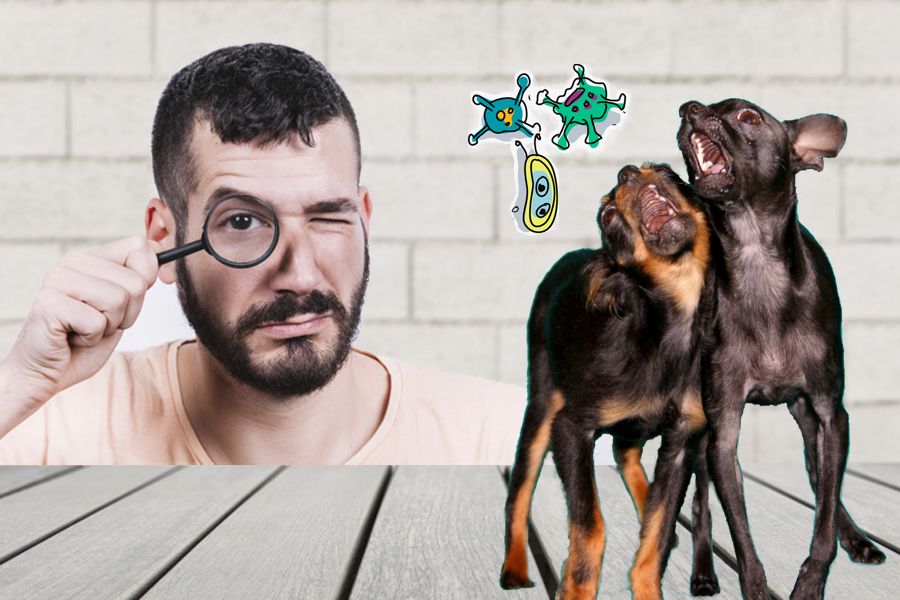
This is a benign formation on the animal's body. Essentially, it is a cluster of tissue in the form of a bump or nodule. Multiple growths are referred to as papillomatosis.
Papilloma in Dogs: Clinical Picture, Causes
The virus appears on the animal's body from direct or indirect contact with a carrier. Normally, millions of bacteria and other pathogens live on the skin, and they find a favorable environment for development when the immune system is weakened. The papilloma virus lives for 6 to 12 months.
Localization
Warts (as papillomas are sometimes called) on dogs are localized on:
- lips;
- tongue;
- upper or lower eyelid;
- cheeks;
- gums.
In rare cases, they occur on the paws or body. Regular examinations help detect new formations. A characteristic feature of the disease is its spread, creating conglomerates. For example, a large wart on a dog's eyelid may interfere with vision or hinder the closing of the eye.

Appearance of Papillomas
Small growths with a loose structure, either solitary or clustered. They can be whitish or pinkish, and upon magnification, their structure appears heterogeneous. Upon examination, they are not painful, do not bleed, and do not differ in temperature from the body.
Accompanying Symptoms
Benign formations do not cause health disturbances. Indirect complications may arise: multiple papillomas on the gums hinder chewing food and are often injured; formations between the toes interfere with walking, etc. Therefore, if there is any visible discomfort, it is necessary to examine the animal's mucous membranes for new formations.
Types of the Virus
The following types are distinguished:
- Oral papillomatosis. The virus develops in the oral cavity. Pets with strong immunity can cope with it independently within 2-3 months; young individuals are more prone to it.
- Cutaneous. The exophytic subtype appears on the paws, eyelids, and head. Spaniels, Kerry Blue Terriers, and older dogs are predisposed. The inverted type prefers the groin and abdomen, affecting young puppies.
- Pigmented plaques. Risk factor — genetic predisposition in pugs and schnauzers. The formation sites are the groin and abdomen.
- Genital type. Transmitted through sexual contact and localized on the genitals.
Advice: Veterinarians do not recommend self-treating the disease. New formations may be of malignant nature, which threatens the pet's life.
However, papillomatosis cannot be left untreated, as there are risks:
- degeneration into a malignant form (provoked by injury);
- large growths that interfere with vital functions;
- damage to the mucous membranes of internal organs.
Effective Treatment of Papilloma in Dogs
Before starting therapy, a comprehensive analysis is conducted:
- blood biochemistry;
- examination by a veterinarian;
- biopsy of growths or scraping.
This allows for the identification of the type of virus and the selection of the most effective treatment.
Recommendations
When new formations are detected, it is forbidden to remove or damage the growths on your own. They may be malignant and lead to the spread of pathogenic cells through the bloodstream to other organs. Papillomas on mucous membranes should not be treated with vinegar or apple acid, potassium permanganate, or injections without a veterinarian's prescription.
Treatment Methods
There are several approaches: surgical, medicinal, and vaccination. The first involves excising tumors or cauterizing or freezing them. Several courses will be required to consolidate the results. Interferon is also prescribed for at least 2 months to prevent the papilloma from reappearing.
The medicinal approach does not involve surgery. It is indicated for small and non-interfering papillomas. The veterinarian recommends a medication that will help the body fight the virus, causing the tumor to disappear on its own.
Advice: Modern treatment of papillomavirus in dogs involves vaccination. The injection is prepared from the dog's papilloma, stimulating its immune system to fight the virus. Usually, 1-2 injections are required.
Frequently Asked Questions
What is a papilloma in a dog?
A papilloma is a benign formation that represents a cluster of tissue in the form of a bump or nodule.
What are the causes of papillomas in dogs?
The papilloma virus enters the dog's skin through contact with a carrier and activates when the immune system is weakened.
Where can papillomas be located on a dog's body?
Papillomas are most commonly localized on the lips, tongue, eyelids, cheeks, and gums, but they can also occur on the paws or body.
What do papillomas look like in dogs?
Papillomas are small, loose growths that can be whitish or pinkish and do not cause pain upon examination.
Do papillomas in dogs need treatment?
It is not recommended to self-treat papillomas, as they may be malignant; it is better to consult a veterinarian for an assessment of the condition.
Found a mistake or outdated advice? Write to us and we will fix it.