What to Do If Your Dog Is Limping
Dog limping on front or back leg: cut, arthritis, osteosarcoma, spine issues. Owner's actions if the dog's legs fail.
Contents

Problems with your pet's musculoskeletal system can be more serious than they appear at first glance. Therefore, any limping, inflammation, or wound of unknown origin should be given close attention.
Dog limping on the front or back leg: possible causes
An obvious reason could be a temporary injury. For example, the dog may have jumped awkwardly from a small height or got stuck between the wall and the couch. In this case, there’s no cause for concern. Just ensure that the limping is not caused by a fracture. Usually, a sprain resolves on its own, although sometimes a supportive bandage is needed. However, a persistent symptom indicates:
- Osteoarthritis.
- Spinal diseases.
- Osteosarcoma.
Osteoarthritis
Simply put, it's an advanced form of arthritis. There is a high risk for older pets, overweight dogs, those with past joint injuries, and breeds with genetic predispositions. There are two types of the disease: primary and secondary. One develops in older dogs, while the other affects all due to salt deposits in the joints. Osteoarthritis can only be diagnosed in the early stages through X-rays. In acute conditions, symptoms include:
- Cracking in the joints;
- Pain;
- Swelling;
- Gait disturbances, including limping;
- Reduced mobility of the pet.

An advanced disease leads to visible changes in the limbs, making them stiff and straight. At rest, the dog prefers to lie down with its legs extended.
Tip: You need to care for your dog's tendons, ligaments, and cartilage, as they wear out just like human ones. Even if there are no visible problems, make sure to give your dog vitamins.
Treatment involves switching to a less active regime, as well as medications to relieve inflammation and pain, and physiotherapy. Chondroprotectors help in the recovery of joints. If traditional methods are ineffective, surgical intervention may be necessary.
Spinal Pathologies
These include:
- Disc protrusion;
- Osteophytes;
- Herniated discs;
- Spondylosis.
Destructive disorders of the spine affect limb movement. Severe curvatures or large hernias can lead to paralysis of the animal. Diagnosis can be made using X-rays with contrast agents.
The treatment for each condition is individual, ranging from supportive corsets to surgery. In the early stages, painkillers and anti-inflammatories are administered. Damaged vertebrae may be replaced with implants, allowing for a full life post-surgery.
Osteosarcoma
Or bone tissue cancer. The causes of malignant tumor development are not fully understood; it can be triggered by trauma, radiation, etc. Symptoms of the disease include:
- Growths or lumps on the bones, fused with the main structure;
- Elevated temperature;
- Severe pain;
- Redness, itching in the area, swelling;
- Anxiety in the dog;
- Decreased activity and appetite;
- Limping, limited mobility.
Small cell osteosarcoma does not present external tumors in the early stages, which makes it dangerous. Treatment is prescribed by the attending veterinarian after examinations. Typically, this involves radiation or chemotherapy, plus surgical removal. Post-rehabilitation is essential to prevent metastasis. With a successful outcome, the pet may live for about two more years.
Actions for the owner if the dog has cut its paw
- For a shallow wound, treat it by:
- Rinsing with water and antiseptic (hydrogen peroxide).
- Removing dirt and small debris.
- Applying a sterile bandage and securing it.
- Changing the bandage daily, or several times a day if it becomes heavily soaked.
If pus or other discharge appears, tests should be done for infection. It can be treated with antibiotics—both topical and oral.
Why has my dog lost the use of its back legs?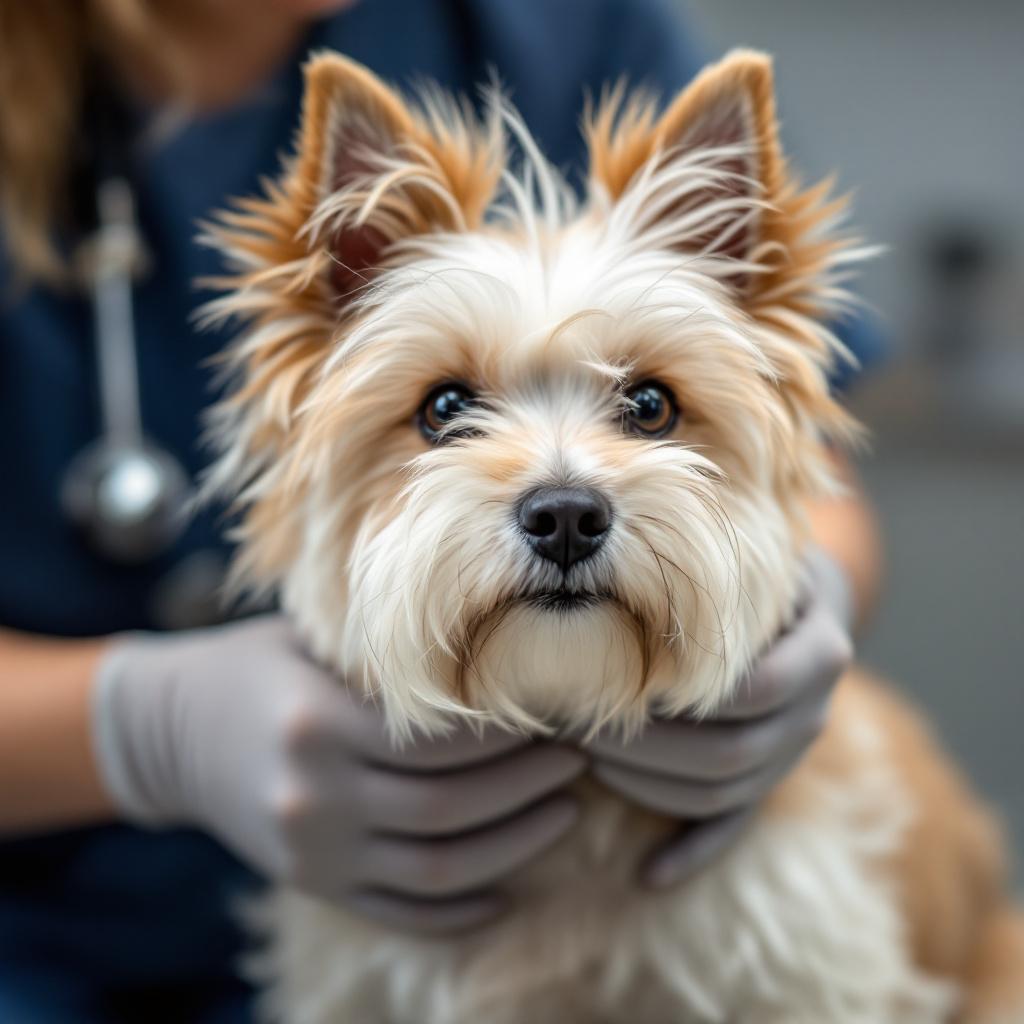
The loss of limb function can be caused by the aforementioned diseases, as well as:
- Paresis;
- Impaired conduction in the spinal cord;
- Spinal injury.
This condition needs to be investigated. Contrary to popular belief, even with paralyzed limbs, a dog can lead an active lifestyle with proper care. Of course, it requires increased attention and care from the owner. Therapy and rehabilitation (massages, medications) can improve the situation and partially restore mobility.
Dog without legs: amputation?
In some diseases, such as gangrene or frostbite, amputation of the limb is indicated. This diagnosis is shocking to owners but is not a death sentence for the pet.
A properly performed surgery will relieve the pet of the risk of necrosis progression and alleviate pain. The stump needs to be treated according to recommendations. Over time, the animal will learn to walk without the limb. Today, it is even possible to prosthetize dogs that are missing their back legs.
Owners will need to adapt to the pet's unique needs and provide proper care. However, with adherence to rehabilitation and hygiene, such a dog can be active, playful, and calm, and essentially, it is no different from its four-legged counterparts.
Frequently Asked Questions
Why is my dog limping on its front leg?
Limping on the front leg can be caused by a temporary injury, osteoarthritis, or spinal diseases. It is important to consult a veterinarian for an accurate diagnosis.
How can I tell if my dog has osteoarthritis?
Osteoarthritis can only be diagnosed in the early stages through X-rays. Key symptoms include joint cracking, pain, and limping.
What should I do if my dog has a persistent limp?
If the limping persists, you should limit activity, consult a veterinarian, and consider medication and physiotherapy options.
What spinal pathologies can cause limping?
Limping can be caused by disc protrusion, osteophytes, or herniated discs. Diagnosis requires an X-ray.
How can I help my dog with limping?
It is important to provide your dog with comfortable conditions, give vitamins, and if necessary, consult a veterinarian for treatment options.
Found a mistake or outdated advice? Write to us and we will fix it.