Why Does My Dog Drool: Normal or Illness
Normal drooling and diseases. Causes and treatments. Dog not eating or no external reasons. Drooling in summer, salivary gland inflammation.
Contents
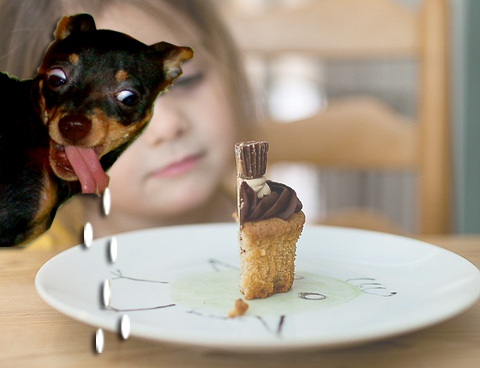
Saliva plays a significant role in a pet's life: it moistens food and protects the oral cavity from bacteria. Excessive salivation—hypersalivation—often causes concern for owners.
What causes a dog to drool excessively?
Normal Salivation
There are several reasons for increased but healthy salivation:
- presence of a foreign body or unfamiliar food;
- pregnancy in females;
- teething in puppies;
- a short time before mealtime;
- recovery after physical exertion.
Additionally, breeds such as Shar Peis, Maltese, Bulldogs, German Shepherds, Great Danes, Mastiffs, etc., are more prone to this issue. They produce more saliva, so owners are advised to monitor the cleanliness of the folds around the mouth: bacteria can multiply on the skin in a moist environment.
If a dog is drooling excessively, even considering the breed, with an unusual odor or traces of blood, it indicates a health issue.
Salivation in Dogs Due to Illness: Causes and Treatment
In veterinary practice, hypersalivation is observed in cases of:
- dental problems;
- poisoning, allergies;
- heat and sun strokes;
- gynecological diseases;
- injuries;
- viral and bacterial infections;
- chronic conditions;
- congenital pathologies;
- helminthiasis;
- epilepsy;
- traumatic brain injuries;
- cysts and immune system diseases;
- stress.
The list of factors is long, so only a specialist can make an accurate diagnosis. The owner should observe and remember all symptoms for the medical history and alleviate the pet's condition until they reach the veterinary clinic.
Why Does My Dog Have No Appetite and Is Drooling?
This is a sign of oral diseases. The pet has difficulty chewing food, whines, and does not allow touching its face due to pain. Blood or pus may accompany the saliva from the gums, and teeth may fall out.
Why Does My Dog Drool After Eating?
If the animal whines and vomits a few hours after eating, it may be food poisoning. Additional signs include diarrhea, elevated temperature, restlessness, and sometimes seizures. The saliva is thick and sticky.
Why Might My Dog Drool in the Summer?
This process occurs due to a disruption in the body's water balance, possibly due to heat or sunstroke. The pet has an elevated temperature, becomes lethargic, apathetic, and refuses food. Owners should ensure plenty of drinking water and rest.
Excessive Salivation in Dogs Without External Causes
Moving, an attack from another animal, loud noises, or dangerous situations can provoke the nervous system into stress. Severe anxiety can be alleviated with a sedative, while moderate anxiety usually resolves on its own. Dogs often drool when they are happy as well.
Inflammation of Salivary Glands in Dogs
This can have various causes, from viral to oncological, and may be a symptom of other diseases. Symptoms include:
- excessive fluid secretion;
- swelling at the site of the glands;
- refusal to eat;
- reluctance to open the mouth due to discomfort.
Warm water and pain relief can help ease the condition. Ignoring inflammation can destroy the gland and lead to necrosis, affecting healthy tissues.
Salivation in Dogs: What to Do and How to Treat It
Since the problem can be caused by various reasons, different medications are prescribed. For viral infections—antibiotics, gynecological issues are treated with hormones, antiparasitics are needed for worms, and an inflamed gland threatening other organs may require removal.
In cases of jaw injuries, the function of the organ is disrupted, so realignment or splinting by a specialist is indicated.
In all cases that cause you concern and where your pet's salivation seems abnormal, you should consult a veterinarian.
Frequently Asked Questions
Why is my Russian Toy Terrier drooling?
Drooling can be a normal occurrence, such as due to teething or pregnancy. However, if the drooling is excessive and has an unusual odor, it's advisable to consult a veterinarian.
How can I tell if my dog's drooling is related to illness?
If the saliva contains traces of blood or pus, or if the pet is not eating, this may indicate dental problems or other illnesses.
What should I do if my dog is drooling after eating?
This may be a sign of food poisoning. Monitor your pet's condition, and if vomiting or other symptoms appear, contact a veterinarian immediately.
Can stress cause drooling in my Russian Toy Terrier?
Yes, stress from moving or unpleasant situations can trigger drooling. Sedatives may help, but it's best to consult with a veterinarian.
How can I help my dog with excessive drooling in the summer?
Ensure your pet has plenty of water and shade from the sun. If you notice symptoms of heat stroke, contact a veterinarian immediately.
Found a mistake or outdated advice? Write to us and we will fix it.