Ear Infection in Dogs: Causes and Treatment
Learn the main signs of ear diseases in dogs and what to do if your pet is scratching its ears and shaking its head.
Contents
- A Dog's Ear is Producing Pus: Infectious Diseases
- The Dog is Scratching its Ears and Shaking its Head
- Why Does a Dog's Ear Make a Wet Sound?
- Vasculitis on Dogs' Ears: Symptoms, Therapy
- What is Dangerous About Dermatosis of the Ear Flap?
- A Dog's Ears Hurt: What to Do for Prevention
- Frequently Asked Questions
Pus in a Dog's Ear: Causes and Treatment
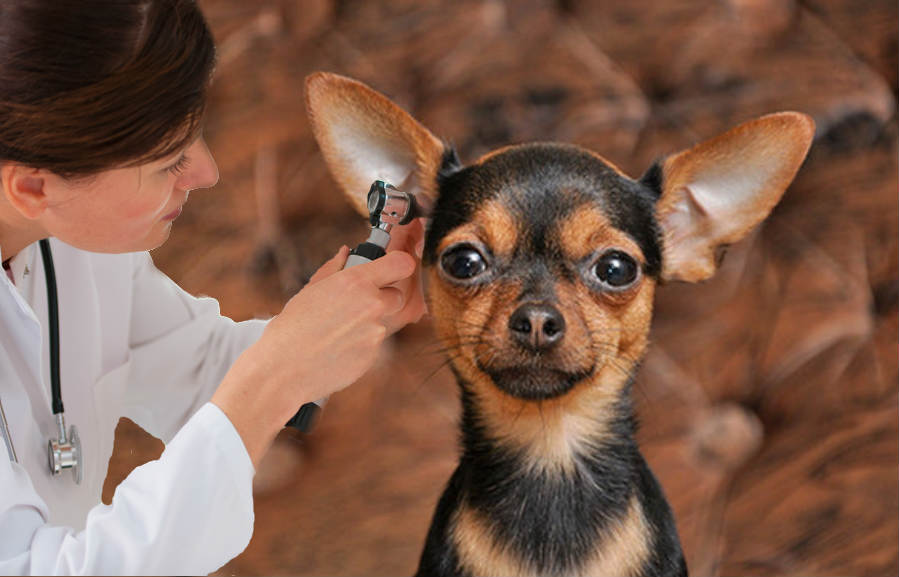
The organ is often affected by various parasites and pathogenic bacteria. Hygiene care plays an important role in prevention, depending on the breed. If there is a fungus on the dog's ears, a coating inside the ear, an unpleasant smell, redness, or swelling, then a disease has developed. Possible causes include:
- trauma;
- parasites;
- infections;
- fungus;
- neoplasms;
- allergies;
- hormonal disorders;
- reduced immunity.
A Dog's Ear is Producing Pus: Infectious Diseases
The tips are a very sensitive part of the organ, containing thin tissues. It is not uncommon to encounter stray dogs with injured ears. This occurs due to secondary infection of the wound. Sometimes, a pet dog may have pus in the tips of its ears if the owner did not pay attention to the wound in time and did not treat it with antiseptics. If a dog's ear is producing pus, it is necessary to:
- rinse the area with chlorhexidine, remove the pus with a moistened bandage;
- apply a thin layer of antibacterial ointment after it dries;
- cover it with a bandage;
- change it several times a day, repeating the procedure.
The area will heal, but there is a high probability that a scar will remain. If a dog's ear has been producing pus for a long time, then how to treat it is a question for the veterinarian. It is possible that the pet's immunity needs medical support.
The Dog is Scratching its Ears and Shaking its Head
This is a rather alarming symptom, and it is recommended to consult a veterinarian as soon as possible. The cause may be various diseases, and only a specialist can correctly diagnose them.
A Dog has Pus in its Ear: Caution, Otitis
If a dog is not just scratching its ears but also has liquid discharge from one or both ear flaps, these are signs of purulent otitis. This disease causes significant discomfort for the pet. Medication therapy is indicated for otitis: apply antibiotics (Sofradex), remove pus with chlorhexidine, and apply Bepanthen inside the ear flap for healing.
Labyrinthitis
This is inflammation of the middle ear, which can sometimes cause dizziness. Veterinarians prescribe penicillin antibiotics, Alphaserk for coordination disorders, Dicloran for inflammation, and the antiemetic Bonin.
Ear Mite
Getting rid of ear mites is not an easy task. Symptoms include dark crusts, thick discharge, and itching. Before treatment, a scraping is examined, and treatment is performed on both ears simultaneously. The inside of the organ should be treated without shocking the pet. Therefore, sprays or drops are often chosen:
- Bars;
- Otodin;
- Epiotic;
- Otoferonol.
They are warmed in the hands, sprayed inside the ear, covered, and gently massaged. A repeat treatment is essential.
Why Does a Dog's Ear Make a Wet Sound?
Characteristic sounds, as if water has entered the organ, and discharge with an unpleasant smell are also signs of the diseases described above:
- otitis
- otodectosis
Otitis causes discharge from the ear flap, while otodectosis (ear mites) is characterized by a coating on the skin. In some pets, the course of the disease may be hidden.
Read more about the treatment of otitis and otodectosis in our article Ear Diseases in Dogs.
Vasculitis on Dogs' Ears: Symptoms, Therapy
This is the process of inflammation of the vessel walls, which causes local hair loss and inflammation. There can be several causes of the disease — from allergies to autoimmune reactions.
Symptoms
These include:
- ulcers at the site of damage — on the ears, paws, mucous membranes, lips;

- unexplained bruises;
- presence of dead skin;
- inflammatory processes on mucous membranes;
- swelling and puffiness;
- conjunctivitis;
- arthritis.
It can be difficult to notice the signs, as the disease can start in inconspicuous areas of the skin. The cause of vasculitis can be established after clinical studies: blood tests and biopsy.
Treatment of Vasculitis
Depends on the pathogen. In the case of allergies, the symptom is suppressed, while steroids are indicated for autoimmune conditions. Treatments include:
- massage for better blood circulation and strengthening of blood vessels;
- medications: prednisolone, antibiotics, dapsone, Imuran.
It is important to remember that one of the causes of vasculitis is uncontrolled medication intake and their interactions. Do not self-medicate with strong drugs at home.
What is Dangerous About Dermatosis of the Ear Flap?
This is a seborrheic condition of the organ in dogs, a skin disease. This fungus in dogs' ears causes hair loss, itching, and the appearance of crusts. They can detach with the pet's movement and provoke a wound. Dermatosis is often confused with vasculitis, as they appear similar in the initial stage. With the spread of the disease, alopecia of the ear flap is observed. Breeds with floppy ears, particularly dachshunds, labradors, and cocker spaniels, are prone to dermatosis.
How to Treat Fungal Ear Diseases in Dogs
Some of them cannot be completely cured. Veterinarians prescribe:
- Antiseborrheic shampoos with sulfosalicylic acid or benzoyl peroxide.
- Removal of crusts with warm water.
- Moisturizing the skin of the ears.
- Avoid sleeping in areas of high temperature and humidity, such as near a radiator.
If the ear disease in a dog has led to severe deformation of the ear flap, surgical correction is indicated. Afterward, the use of shampoos and therapy as needed.
A Dog's Ears Hurt: What to Do for Prevention
The actions are simple: avoid moisture, maintain cleanliness, and treat for parasites in a timely manner. Also, do not allow the organ to become overheated or overcooled, or have contact with infected pets. Some diseases are caused by the owners themselves, by giving the pet medications uncontrollably.
Frequently Asked Questions
Why Does My Dog's Ear Have Pus?
Pus in a dog's ear can be caused by trauma, parasites, infections, fungi, or allergies. It is important to consult a veterinarian for diagnosis in a timely manner.
How to Treat Pus in a Dog's Ear?
It is necessary to rinse the ear with chlorhexidine, remove the pus, and apply antibacterial ointment. If symptoms do not go away, consult a veterinarian.
What to Do If a Dog is Scratching its Ears and Shaking its Head?
This may be a sign of a disease, and it is recommended to consult a veterinarian as soon as possible for diagnosis and treatment.
What Are the Symptoms of Otitis in a Dog?
Signs of otitis include itching, liquid discharge from the ear, and discomfort for the pet. It is important to start treatment as soon as possible.
How to Get Rid of Ear Mites in a Dog?
Treatment for ear mites includes using special drops or sprays that should be carefully applied to the ear. Be sure to conduct a repeat treatment.
Found a mistake or outdated advice? Write to us and we will fix it.