Fungal Infections in Dogs: Diagnosis and Treatment of Mycosis
Learn why mycosis occurs, its main symptoms, and the treatments available for fungal diseases in dogs.
Contents

Fungal Infections in Dogs: Diagnosis and Treatment of Mycosis
Mycosis is a skin disease caused by fungus. It can be difficult to notice, especially if it appears on the pads of the paws or under the fur. Fungal diseases in dogs tend to spread and worsen the pet's well-being.
How Mycosis Appears in Dogs:
- contact with infected animals;
- weak immunity and the pathogen coming into contact with the skin;
- contact with fungi in unsanitary conditions;
- lack of personal hygiene in the pet.
Young and elderly animals are prone to mycosis. If the disease is detected at an early stage, treatment will be simple and effective. Unfortunately, some types of pathogens are difficult to eliminate and can become chronic.
Symptoms of Fungal Diseases in Dogs at Different Stages
Mycoses manifest differently depending on the type. They can present as black crusts, dark rashes, or white flakes. Therefore, it is important to pay close attention to various skin rashes, especially those that do not go away and spread. Symptoms of fungus in dogs often lead to a decline in overall well-being:
- lethargy;
- coordination issues;
- poor appetite;
- hair loss.
How Malassezia Fungus Appears in Dogs
The pathogen Malassezia pachydermatis is a yeast type of mycosis. It lives on the pet's skin and poses no harm when the immune system is strong. It effectively counters golden staphylococci.
It appears on various areas of the skin, with signs including:
- intense itching;
- red or pink spots;
- hair loss around them.
It localizes on the paws, body, in the ear canals, near the anus, under the armpits, and on the tail. The danger of Malassezia is that it creates a favorable environment for bacterial, mite, and flea infestations. In advanced forms, it can cover the entire body and lead to total alopecia. It is not transmitted to other species or humans. Treatment includes eliminating the pathogen, restoring the coat, and antibacterial therapy.
How to Treat Fungus on a Dog's Paws
Fungal skin diseases in dogs on the paws are dangerous because they can enter the body when the dog licks them. Therefore, if there are changes in gait, the appearance of a coating, limping, nail growth issues, or redness on the paws, treatment for mycosis should begin.
Therapy includes antibacterial and antifungal medications, care for the limbs (washing, antiseptic treatment, nail trimming). Fungal skin infections in dogs on the paws worsen during wet seasons.
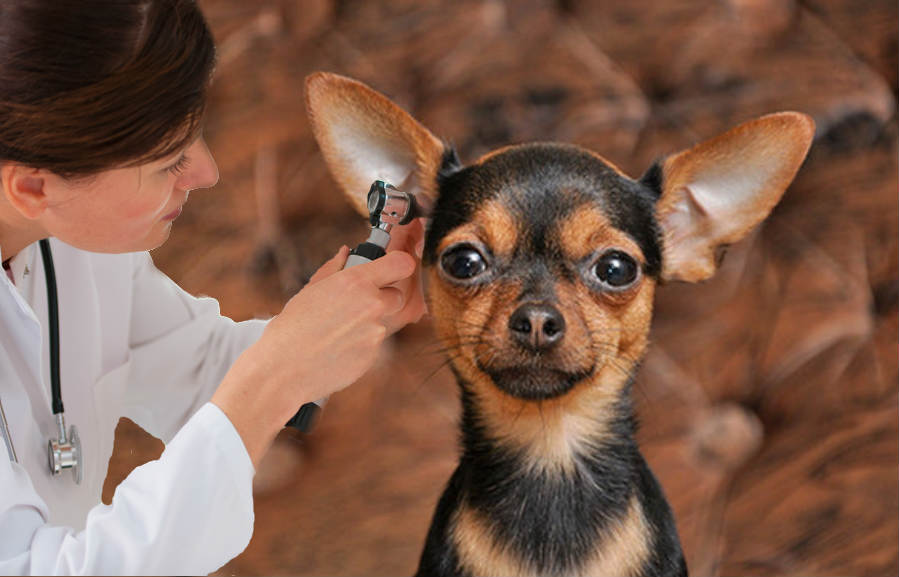
Ear Fungus in Dogs: Types and Signs
There are several types: pathogenic pathogens and previously harmless skin residents that become dangerous during immune system weakening. Ear fungus in dogs is caused by:
- Malassezia.
- Candida.
- Allergies and yeasts.
It is known that Malassezia and Candida live on healthy pets but become pathogenic only under the influence of certain factors.
Signs of the disease include:
- itching in the ears, the pet shakes them;
- discharge and unpleasant odor;
- the appearance of a characteristic coating.
Pets with large and soft ears, such as spaniels, dachshunds, and setters, are prone to ear mycosis.
Description of Fungal Eye Diseases in Dogs
They cause inflammation of the eyelids and eyeball, even appearing on an undamaged organ. Known types include:
- cryptococcosis — caused by birds and their droppings;
- aspergillosis — leads to uveitis or enophthalmitis;
- blastomycosis — infection from inhaling spores, endemic only in certain countries in Europe and the USA;
- histoplasmosis — characteristic of countries in Asia and Latin America.
Spores can live on mucous membranes inside the body for a long time, so never neglect vaccinating your pet before traveling abroad. Some signs include:
- redness and swelling of the eyeball;
- conjunctivitis, blindness;
- discharge with an unpleasant odor;
- digestive disorders, vomiting;
- coughing;
- loss of appetite, skin nodules, ulcers.
Treatment of Fungal Infections in Dogs: Therapy and Medications
Depending on the severity of the disease, surgical methods (often for eye mycosis) or medication are used. This involves eliminating the pathogen and restoring immunity.
For treating mycosis in dogs, the following are prescribed:
- ointments (Mycozalon, Yuglon);
- sprays;
- antifungal shampoos for dogs like Nizoral, Imaverol;
- immunostimulants and liver protectors;
- antifungal medications in various forms such as Ketoconazole, Fluconazole, Griseofulvin.
Many of these are quite toxic to pets. The most effective method is a vaccine against fungus for dogs. It teaches the body to fight the pathogen and prevents reinfection. There is a possibility of an immune reaction, which passes in a few days.
Treating fungal diseases in dogs with a vaccine is more effective, as antifungal medications can cause allergies, suppress immunity, are highly toxic, and do not protect against reinfection. However, there are also risks with injections, so the owner should definitely consult a veterinarian before deciding on a treatment method.
Frequently Asked Questions
How can I notice fungus in my dog?
Pay attention to changes in the skin, such as black crusts, rashes, or hair loss. Also, monitor the pet's condition: lethargy, poor appetite, and coordination issues.
What can cause fungus in dogs?
Fungus can appear due to contact with infected animals, weak immunity, unsanitary conditions, or lack of personal hygiene.
How to treat fungus on a dog's paws?
Treatment includes antibacterial and antifungal medications, as well as care for the paws: washing, antiseptic treatment, and nail trimming.
What are the signs of fungus in a dog's ears?
Signs include itching, discharge, unpleasant odor, and a characteristic coating. Pets with large ears, like spaniels or dachshunds, are more prone to this infection.
Can fungal diseases in dogs be prevented?
Yes, maintain your pet's health by ensuring good hygiene and normal living conditions to minimize the risk of fungal infections.
Found a mistake or outdated advice? Write to us and we will fix it.