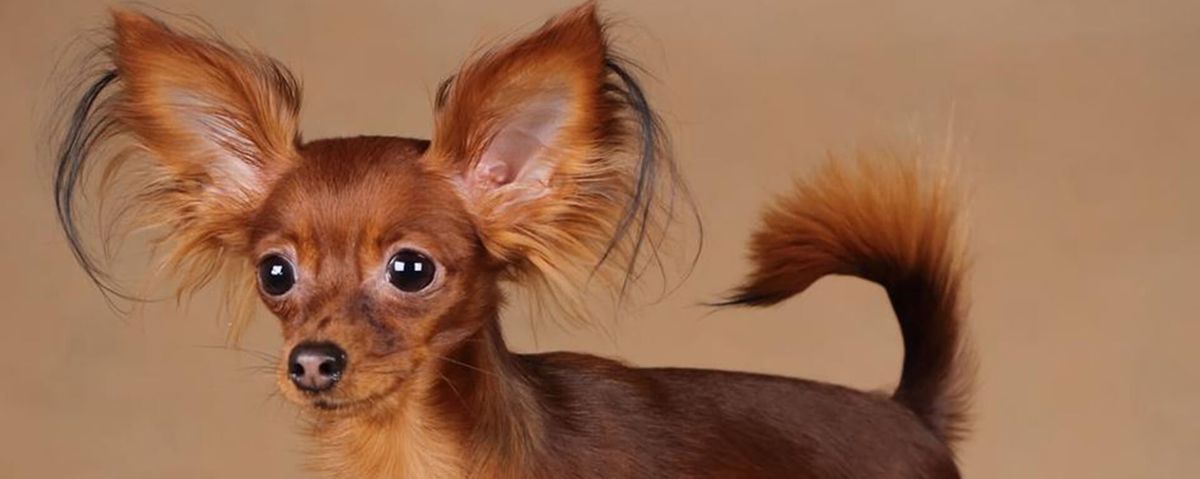
Why is the Russian Toy Terrier Losing Hair?
Shedding and baldness are clear signs of your dog's discomfort. Don't confuse this with seasonal shedding! Learn more.
Contents
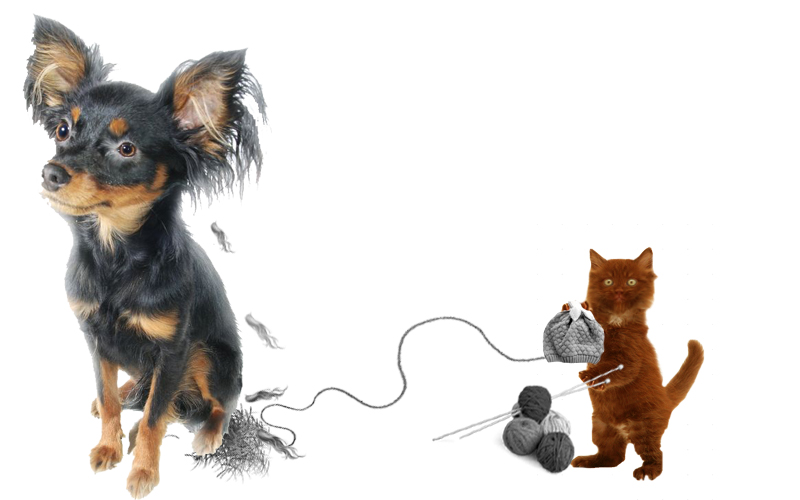
Bald patches appearing on the body of a Toy Terrier are not aesthetically pleasing. But, as they say, that's only part of the trouble. Shedding fur and a bald body are clear signs of your dog's discomfort.
A dog's coat externally reflects the overall well-being and health status of your four-legged friend. When your pet's fur shines in the sunlight, there's no dandruff falling from it, and it feels smooth and pleasant to the touch, you understand that your buddy is lively and cheerful.
The fur of a dog consists of the guard hair and undercoat. The purpose of the fur is to protect the animal from weather effects, parasites, and infections:
- Sunlight and moisture cannot harm the dog thanks to the guard hairs.
- The undercoat, which lies beneath the guard hairs, keeps the animal warm from the cold as it perfectly insulates heat.
Why Do Toy Terriers Lose Fur?
Fur loss in Toy Terriers, the formation of bald spots and patches, can cause panic among owners. Why is my Toy Terrier losing fur? Why does my beloved dog shine with bald patches in the sunlight?
There are several reasons for the so-called balding in Toy Terriers. The most common causes of baldness in Toy Terriers are:
Eczema.
If you hear the answer "from old age" to the question of why your Toy Terrier is losing fur as it ages, don't laugh. There is some truth to it. The skin of older dogs is prone to inflammatory processes leading to the formation of eczema. Such inflammations, causing the animal to become bald, provoke metabolic disorders due to improper nutrition in older Toy Terriers or issues with excess weight.
Furunculosis.
Disruption in the functioning of the digestive tract can provoke an inflammatory process in the sebaceous gland and hair follicle of your pet's skin. As a result, the Toy Terrier begins to lose fur in areas where furunculosis has developed. This condition can be treated with special ointments and medications.
Scab, Ringworm (Microsporia, Trichophytosis).
Microorganisms (bacteria and fungi) multiplying on the dog's body begin to "eat away" the animal's skin, forming bald spots. Round scaly (or crusty) areas of skin devoid of fur are a sign that the Toy Terrier has contracted one of the types of ringworm or scab. Treatment for scab and ringworm is carried out using topical agents. Some of these diseases are dangerous as they can be transmitted to humans, so the Toy Terrier should be placed in quarantine, and the apartment (house) should be disinfected.
Parasites (Fleas, Lice).
A Toy Terrier may start to lose fur due to parasites such as fleas and lice. The only thing to note is that it is rare for there to be a severely advanced form of baldness due to these parasites, as they are not that difficult to detect. Parasites can be eliminated with special products sold in any pet store or veterinary pharmacy.
Scabies Mite.
Another unpleasant reason why a Toy Terrier loses fur is the scabies mite, which has chosen the dog's skin for its life activities. This disease is contagious, and self-treatment is not an option. Advanced scabies in a dog can lead not only to human infection but also to the death of the animal.
Hypothyroidism.
A common disease in dogs caused by insufficient activity of the thyroid gland due to a long absence of hormones. This condition can be congenital (so don’t be surprised by the dwarfism of an already small dog) or acquired (problems with the thyroid gland due to iodine deficiency). The bald spots appearing on a Toy Terrier from the tail and throughout the body are one of the symptoms of hypothyroidism.
Shedding.
The shedding process is when an animal loses its fur. A bald dog during shedding is not surprising. Shedding occurs at different stages of a dog's life and is associated with specific phases in the development of the animal's body.
Why Does the Toy Terrier Shed?
Starting from three to four months of age, Toy Terrier puppies begin to shed their fur, and the dog becomes partially bald. This process is natural, and there is no need to worry about why the Toy Terrier is losing fur during shedding. Since shedding is not related to diseases, it does not require treatment. Your pet's shedding, with the formation of bald spots on the body, does not cause any suffering. It is impossible to intervene in the process of fur change, so if shedding occurs, just be patient and calm. During shedding, small bald patches (bald spots) may appear on the dog's body, resembling a moth-eaten plush toy. But after the fur change, the bald patches will fill in.
The change of seasons (from autumn to winter and from winter to spring and summer) is also characterized by shedding in Toy Terriers. At the beginning of the article, we talked about guard hair and undercoat. So, in winter, the dog "acquires" a thick warm undercoat capable of protecting it from the cold. When it warms up, the animal no longer needs to "bundle up" in the warm undercoat, which also cannot protect against overheating under the scorching sun. Therefore, the undercoat is shed. The four-legged friend undergoes a change from the undercoat to the thick guard hair.
After giving birth while nursing puppies, Toy Terrier mothers also experience shedding. But this is related to the "stress" that the body underwent during pregnancy and childbirth. Even among humans, cases of hair loss, tooth loss, and nail plate splitting are not uncommon in women who have given birth and are nursing.
If your miniature terrier has been "turned" into a greenhouse plant by you, don't be surprised by the endless shedding and the constantly bald creature living in your home. Keeping a decorative dog indoors, without walks, in a constant temperature, forces the animal's body to adapt to the existing conditions.
Hence the constant change of fur as a reaction to the constant temperature. Moreover, these stable warm conditions for the dog are fraught with a loss of the body's resistance to viruses and infections and an orientation to seasonality. The weak immune system of the Toy allows various diseases to literally cling to it.
The appearance of bald spots in Toy Terriers can also be caused, in addition to the above, by a monotonous diet. A lack of vitamins and minerals places your pet in a risk group associated with the appearance of bald patches and bald spots on the body.
Dandruff in Toy Terriers.
Old skin cells die off and new ones appear. This natural process is not particularly noticeable and does not manifest in a large number of white flakes – dandruff. When white flakes cover the Toy's body, it means that something is wrong with the dog's health.
There are several reasons for the occurrence of dandruff in Toy Terriers. By thoroughly analyzing the causes of its appearance, we can understand how to get rid of dandruff in Toy Terriers.
- Dry skin. This is especially noticeable during the heating season. In apartments, the air is excessively dry, and the dog's skin reacts with an increased amount of dandruff. The process of skin cell death becomes accelerated. Humidifying the air in the room will restore the regeneration process of the skin and bring the amount of dandruff on the animal's body back to normal. Additionally, after consulting with a veterinarian, add moisturizing skin care products for the dog to its grooming routine. Or spray the Toy's fur with a diluted conditioner from a spray bottle.
- Stressful situation. Even a simple visit to the veterinarian for an examination can provoke excessive excitement in the dog and cause stress, which manifests in both dandruff and bald areas on the animal's body. Returning to a familiar environment, love and care, and eliminating the factors that caused the stress will restore the dog's skin to its usual state.
- Diet. If the Toy Terrier has developed dandruff and is losing fur, review the pet's menu. It may be that the food is causing an allergic reaction in the body, which manifests in fur loss (baldness) and abundant dandruff. Change the food, and the water for the Toy should only be boiled.
- Worms and parasites. Mites, fleas, and worms – all these nasty creatures are also provocateurs for the dog's beautiful appearance. Active skin flaking and constant scratching by the pet should prompt you to pay attention to parasites and urgently deal with their elimination.
- Hormonal disorder. Only a veterinarian can identify this cause. They will also prescribe hormonal and calming medications for your pet.
- Dermatitis, eczema, and diabetes. These diseases are accompanied by severe dandruff in the dog. Remove the cause – and you will rid your pet of dandruff.
- Shampoos and grooming products. If the cause lies in improperly selected grooming products for the dog's fur, change the cosmetic preparations.
In any case, upon discovering bald (hairless) areas of skin on your Toy Terrier, do not hesitate to consult a veterinarian. The specialist will conduct a series of laboratory tests capable of identifying the true cause of baldness in the Toy Terrier. Thanks to clinical blood tests, urine analysis, examination of the thyroid gland, determination of adrenal hormone levels in the blood, and sometimes even a biopsy of the skin area, the dog doctor will prescribe treatment that promotes the dog's speedy recovery.
Frequently Asked Questions
Why is my Toy Terrier losing fur?
Fur loss can be caused by various reasons, including eczema, furunculosis, parasites, or fungal infections.
How can I help my Toy Terrier if he is losing fur?
It is important to consult a veterinarian for diagnosis and treatment, as the causes of baldness may require different approaches.
What should I do if my Toy Terrier has bald patches?
You need to check the dog for parasites, inflammations, or fungal infections and consult a veterinarian for further recommendations.
Can improper nutrition affect the condition of my Toy Terrier's fur?
Yes, metabolic disorders due to improper nutrition can lead to inflammatory processes and fur loss.
How can I tell if my Toy Terrier has parasites?
Symptoms of parasites may include itching, skin inflammation, and fur loss. If you suspect parasites, you should consult a veterinarian.
Found a mistake or outdated advice? Write to us and we will fix it.