How to Get Rid of Bad Breath in a Russian Toy Terrier
Discover the causes of bad breath in Russian Toy Terriers and when to consult a vet.
Contents
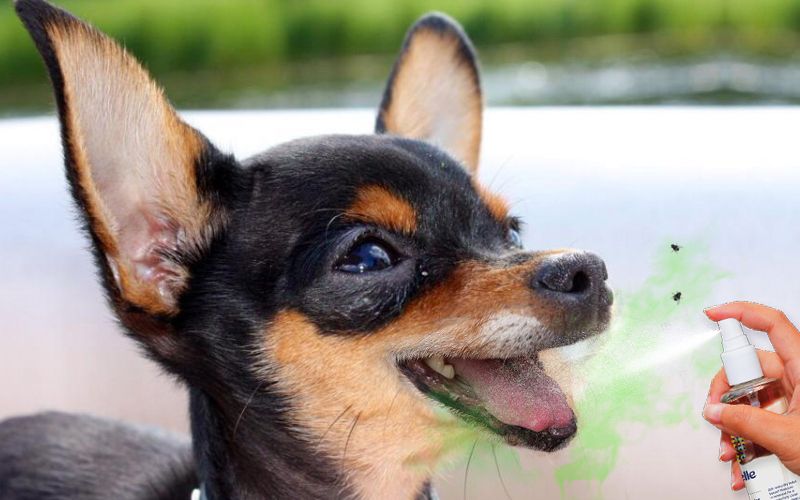
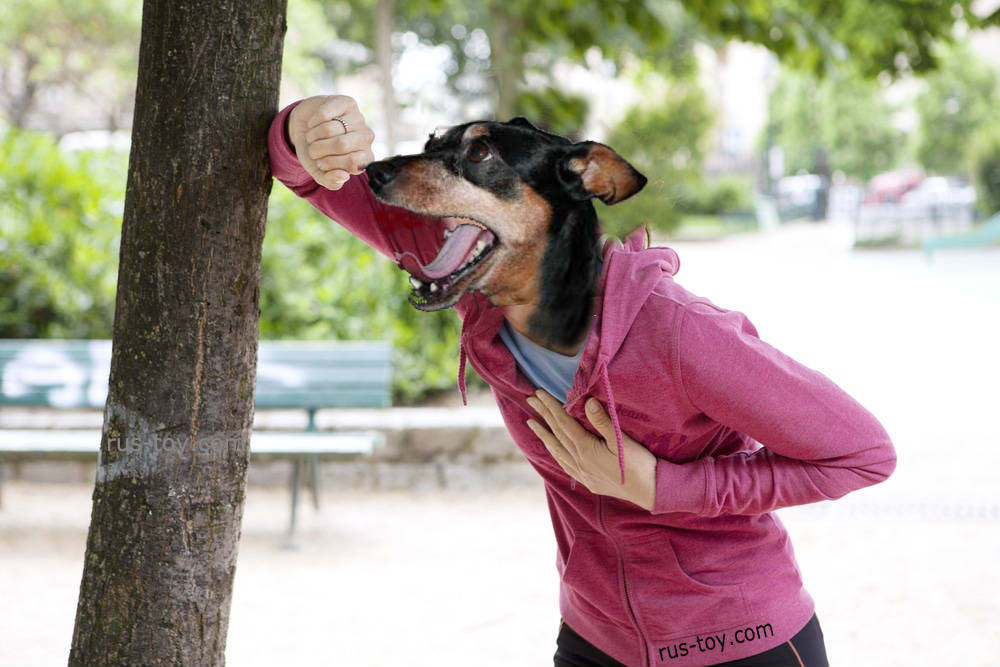
In the evening after work, stepping into the apartment, you want to quickly pick up the cheerful little bundle on thin legs, cuddle it close, and kiss its wet nose. The response from your four-legged friend will be immediate – it will lick your face. But what is that? Does the Russian Toy Terrier have bad breath? Suddenly, you’re not so keen on having the little one run its rough tongue across your cheek.
Such a situation occurs quite frequently. The smell from a Toy Terrier's mouth is specific and unpleasant. Many owners believe that this is just how it is, as the dog's physiology does not imply oral hygiene. But are they right?
Why Does the Toy Terrier Have Bad Breath?
Toy Terriers don’t go to the store for toothpaste and a toothbrush, nor do they rush to the bathroom in the morning after getting out of bed to wash up and brush their teeth. You probably haven’t seen dogs brushing their teeth at night either. They also don’t use chewing gum.
A bad smell from your pet's mouth. Does this mean that the Toy Terrier needs its teeth brushed, or should you continue to turn up your nose at every attempt of the dog to kiss its owner?
The problem of bad breath in Toy Terriers is indeed a problem, and it is not merely aesthetic. The mouth does not smell of violets when there are serious health issues at play.
Bad Breath in Young Toy Terriers
Puppies and adolescent Toy Terriers rarely annoy with unpleasant breath. Initially, puppies, like all babies, smell of milk and treats. A rotten smell from the mouth (halitosis) arises in the following cases:
- during teething. The first alarming signs may appear when baby teeth are replaced by permanent ones. The teeth of a Toy Terrier can be difficult to change, and sometimes it is necessary to seek the services of a veterinary dentist to remove a stubborn baby tooth and allow the adult tooth to grow. A loose baby tooth that stubbornly refuses to fall out disrupts the integrity of the gums. Food or infection can enter the gap between the gum and the tooth, or in the wound that appears from the loosening, leading to an inflammatory process and the formation of putrid microflora. There you have it – an unpleasant odor.
- due to mechanical damage to the gums. Young Toy Terriers are active and curious. In their quest to explore the world, and sometimes just while playing, they grab everything with their mouths. However, during play, they may accidentally bite through a stick or a plastic ball. Tiny wooden or plastic particles can then embed in the gums or get stuck between the teeth. If the fragments are not discovered in time, an inflammatory process in the gums is inevitable.
Bad Breath in Adult Toy Terriers
For adult Toy Terriers, there are more reasons for unpleasant breath. Generally, it should be noted that in half of the cases, bad breath has two main sources – the oral cavity and internal organs.
- The most common cause of bad breath in dogs is related to tartar. Tartar itself poses no threat to the pet's health. However, plaque destroys tooth enamel. The subsequent intoxication of the body not only provokes bad breath but also harms the dog's health.
- Very rarely (but it happens) malignant neoplasms can develop in the oral cavity of miniature decorative breeds. This oncological disease causes a putrid "aroma."
- An inflammatory process in the pet's gums. The inflammatory process in the gums, accompanied by gingivitis (swelling), is a result of numerous ulcers in the dog's mouth.
- Halitosis (putrid smell) in advanced forms leads to hypothyroidism. This is when, in addition to decaying and losing teeth, the shape and size of the tongue also change.
- Problems with the urinary system, such as chronic kidney failure, manifest as a sharp ammonia smell from the Toy Terrier's mouth. The excretion of metabolic waste in the animal's body slows down, and the tissues begin to release ammonia intensively.
- An immune imbalance in the dog's body (diabetes) manifests as an unpleasant smell reminiscent of nail polish remover (acetone). If you observe increased thirst in your pet along with this symptom, consult a veterinarian for a blood sugar test. Also, check the Toy Terrier's endocrine system.
- If the Toy Terrier's mouth smells like rotten meat or carrion (excluding anything gross eaten during walks), this odor is a symptom of severe irreversible changes in the liver. Such a stench appears at the stage of necrosis. Veterinary medicine is almost powerless here.
- An unpleasant odor may result from the dog's body being infected with ascarids (worms). More serious parasites, such as tapeworms and flatworms, may also have taken up residence in the animal.
- The dog's breath may be stale due to an allergic reaction. Diagnosing this ailment is complicated.
Pathological sensitivity of the immune system to a specific irritant can manifest in various ways, including an unpleasant smell. If the Toy does not have other symptoms indicating an allergy (itching, rash, eczema), then conduct a clinical analysis. If it does not confirm an allergy, look for the cause elsewhere.
But alongside the suspicion of serious diseases, pay attention to external factors that could provoke the smell:
- Protein-rich food. When meat is digested by the animal, nitrogenous substances are released. If the dog's diet is rich in meat products, the Toy Terrier's breath will have a hint of rot and "staleness."
- Chlorinated water. If your pet drinks tap water instead of spring, bottled, or boiled liquid, it may develop dysbiosis, which will cause a specific odor.
- Imbalance in the diet. A temporary odor from the mouth of a little terrier often appears when changing brands of food or switching to different food.
How to Get Rid of Bad Breath in a Toy Terrier
Bad breath resulting from diseases in the dog will only go away when you treat the pet. Do not delay a visit to the veterinarian upon discovering such a symptom as "bad" breath. The sooner the doctor diagnoses the issue, the sooner you will start treatment, overcome the disease, and eliminate the bad breath in your Toy Terrier.
Let’s consider how to get rid of bad breath in a Toy Terrier if the dog has no health problems. The gums are not inflamed, the teeth are in place and not loose, the gastrointestinal tract is functioning like clockwork, etc.
- If tartar appears on the teeth, diversify the dog's diet with hard vegetables (apples and carrots) or treat the pet with soft chew bones. Both options will effectively deal with deposits on the teeth, cleaning them of soft growths. The unpleasant smell will disappear.
- You can remove dental plaque with... tomato juice. Yes, indeed. When feeding the Toy Terrier, add a couple of tablespoons of tomato juice to the food, and after a couple of weeks, remove the plaque from the teeth using a gauze pad.
- Brush the Toy's teeth using standard oral hygiene tools – toothpaste and a toothbrush. If this procedure is performed from the day the Toy puppy arrives in your home, the dog will quickly get used to oral hygiene. Then you won’t have issues with the animal's bad breath.
- Consult a qualified veterinarian who will remove tartar from the dog using an ultrasonic scaler. Along with the tartar, the odor will disappear.
Oral hygiene yields noticeable results. Just remember that the Toy Terrier is an animal. And dogs have a specific dog smell.
Frequently Asked Questions
Why does my Russian Toy Terrier have bad breath?
Bad breath can be caused by various reasons, including tartar, gum inflammation, or internal organ issues.
What should I do if my Toy Terrier puppy has bad breath?
The smell may be related to the teething process or mechanical damage to the gums. It is advisable to consult a veterinarian for an assessment.
How can I prevent bad breath in an adult Toy Terrier?
Regular oral hygiene, including tooth brushing and veterinary check-ups, will help prevent tartar buildup and other issues.
Does a Russian Toy Terrier need its teeth brushed?
Yes, regular tooth brushing helps maintain oral health and prevents unpleasant odors.
When should I consult a veterinarian about my Toy Terrier's bad breath?
If the smell persists for an extended period or is accompanied by other symptoms such as drooling or loss of appetite, it is advisable to consult a veterinarian.
Found a mistake or outdated advice? Write to us and we will fix it.