Diarrhea and Vomiting in Russian Toy Terriers
Diarrhea and vomiting in Russian Toy Terriers are just symptoms, a protective reaction of the animal's body.
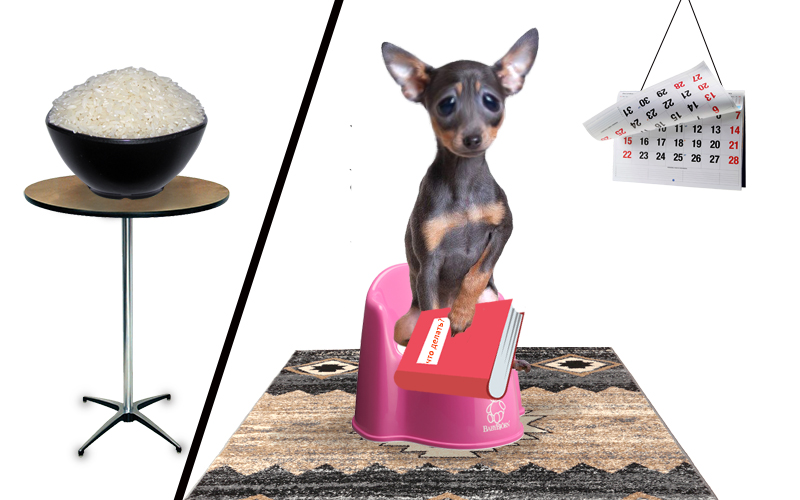
Diarrhea and vomiting in a Russian Toy Terrier, like in other dog breeds, are merely symptoms. This is a protective reaction of the animal's body, manifested in the rejection and cleansing of the organism from what irritates the stomach lining. In other words, harmful substances that are not absorbed by the body are expelled. Additionally, vomiting and diarrhea are symptoms of dangerous diseases.
When a Toy Terrier is nauseous and starts to vomit, there is a risk of dehydration. Therefore, allowing such processes as vomiting and diarrhea to go unchecked is not advisable. Sometimes, through a process of elimination, you can clearly determine what caused these symptoms and promptly begin to fight for your dog's health.
Vomiting in a Toy Terrier.
Vomiting in a Toy Terrier puppy causes great panic among owners, as the little dog is still young and there can be many more reasons for such a bodily reaction than in an adult dog.
By grouping the main types of vomiting, you can more quickly determine why the Toy Terrier is nauseous, respond to the cause, and eliminate it.
- Infection. In this case, when the infection enters the puppy's body, it acts as a specific pathogen and causes the body to react definitively to its invasion. Animals that have contracted parvoviral enteritis and distemper will always respond with vomiting, often accompanied by diarrhea.
- Food. Toxic, indigestible, non-ecological, low-quality food provokes the Toy Terrier's body to empty its stomach. If the puppy's diet is unsuitable (too fatty) or if the dog picks up scraps from the street, then expect vomiting. A single instance of stomach emptying should not cause you concern. The animal's body will independently rid itself of such unsuitable food. You will need to monitor your dog during walks to ensure it doesn't eat off the ground, or if you are sure the dog hasn't picked anything up, reconsider its diet.
- Motion sickness. Many people experience motion sickness not only on a ship's deck but also in a car. Dogs can also experience vestibular dysfunction when traveling by car.
- Foreign body in the stomach. This includes not only inedible objects that the puppy might swallow but also large pieces of food that the pet has not chewed. Naturally, the body will begin to reject all of this. When indigestible items enter the stomach, it often results in a single instance of emptying the stomach of foreign bodies along with the vomit or during diarrhea. Keep an eye on your pet, as it may scratch its throat when vomiting the stomach's contents.
- Toxicosis. Pregnant Toy Terriers may vomit due to toxicosis, just like all female animals in gestation.
- Toxins. This is more serious. Poisoning from toxins, pesticides, or household chemicals can cause vomiting and diarrhea, leading to further dehydration.
- Medications. The use of medications for treating certain diseases can have side effects in the form of vomiting and diarrhea.
- Stress. The bodies of particularly sensitive dogs, including the decorative breed of Toy Terriers, may react with vomiting or diarrhea during extreme excitement.
- Diseases of internal organs. Vomiting is a symptom and reaction of the body in cases of diabetes, ulcers, gastritis, acute cholecystitis, pancreatitis, and liver colic.
- Parasites. Ascarids are the main reason why a Toy Terrier puppy vomits and has diarrhea, as young dogs are most susceptible to parasitic infestations.
- Heatstroke. For Toy Terriers, overheating is dangerous. Therefore, the body reacts to heatstroke with vomiting.
As an owner, you should be alarmed by the following signs of vomiting in a Toy Terrier:
- The pet begins to salivate excessively, the Toy Terrier whines and fidgets even while sitting still. There is a rumbling in the Toy Terrier's stomach, and you can clearly hear gurgling in the belly, which may be accompanied by belching. When a small puppy vomits immediately after eating, this is normal, as this is part of the digestive process for puppies transitioning from liquid to solid food. However, for an adult dog, belching is a bad sign.
- The vomit contains already digested food.
- The vomit contains blood. This is a symptom of infections, tumor decay, or erosion of the mucous membrane.
- Vomiting accompanied by diarrhea and fever indicates an infectious nature of the disease. The Toy's body is rapidly becoming exhausted.
- An ammonia smell from the animal's mouth indicates uremia or kidney failure.
- Loss of appetite. Don't be surprised if your Toy Terrier refuses to eat. When the stomach is cleared of pathogens, the dog, as you can understand, is not in the mood for treats.
- Vomiting with foam or bile should alert you if it occurs repeatedly. A single instance of stomach emptying through the mouth with foam may be intentionally induced by the dog itself. However, persistent vomiting indicates the presence of worms in the body.
Pay attention to whether the dog starts searching for and eating green grass during walks. Then it empties its stomach along with this grass. This way, the Toy Terrier tries to relieve its condition on its own. Allow the dog to eat grass, but only in clean, unpolluted areas.
Diarrhea in a Toy Terrier.
When a Toy Terrier has diarrhea, the causes that trigger this process are similar to those of vomiting:
- Infections.
- Helminths (parasites).
- Poisoning (from food, chemicals, toxins).
- Foreign objects in the stomach.
- Fatty food.
- Stress.
- Overeating.
- Change of food.
Diarrhea in a Toy Terrier should also not be left unchecked, as it leads to dehydration of the body as a whole. In decorative small dog breeds, this process occurs much faster than in larger breeds.
When this symptom arises, arm yourself with information on how to treat diarrhea in a Toy Terrier.
- Put your pet on a fasting diet. Simply put, do not feed it. The dog's diet for the first day should consist of clean water. Then, for the next two to three days, provide light dietary food. This includes liquid oatmeal made with water, boiled meat (chicken, turkey), and pureed apple.
- Give the dog chamomile tea with a pinch of salt.
- Administer activated charcoal (a portion of a tablet).
- A decoction of oak bark can help stop persistent diarrhea. Additionally, such a decoction normalizes gastrointestinal function.
If the diarrhea stops after four to five days, transition the dog back to its regular diet.
If diarrhea continues, the dog has a fever, the temperature has risen, the animal has become lethargic and immobile, and blood is observed in the feces, take your pet to the veterinarian. These symptoms, in conjunction with diarrhea, indicate that the dog may have either pancreatitis or salmonellosis. Such reactions along with diarrhea can also occur with jaundice, intestinal dyskinesia, or chronic insufficiency of digestive enzymes.
In the case of prolonged diarrhea, be sure to have the dog examined by a specialist, which includes an external examination, stool analysis, abdominal X-ray, and blood tests. Stool analyses are conducted to check for the presence of worm eggs, foreign objects, and pus formations in the dog's body. X-rays show the condition of internal organs (liver, stomach, kidneys). Blood is tested for viruses.
Take the manifestations of vomiting and diarrhea in a Toy Terrier seriously. Your task is to help your beloved four-legged friend.
Frequently Asked Questions
Why is my Russian Toy Terrier vomiting?
Vomiting can be caused by various reasons, such as infection, poor-quality food, motion sickness, or a foreign body in the stomach. It is important to closely monitor your pet's condition.
What are the symptoms of poisoning in a Toy Terrier?
Symptoms of poisoning may include vomiting, diarrhea, lethargy, and signs of dehydration. If you suspect poisoning, contact a veterinarian immediately.
What should I do if my Toy Terrier is vomiting frequently?
If vomiting occurs more than once, you should consult a veterinarian for diagnosis and treatment. This could be a sign of a serious problem.
Can stress cause vomiting in a Toy Terrier?
Yes, stress can cause vomiting in sensitive dogs like Toy Terriers. Try to create a calm environment and avoid stressful situations.
When should I see a veterinarian for vomiting and diarrhea?
If vomiting and diarrhea persist for more than 24 hours or are accompanied by other symptoms such as lethargy, contact your veterinarian immediately.
Found a mistake or outdated advice? Write to us and we will fix it.