Constipation in Dogs: Symptoms, Treatment, Tips.
Dogs can experience constipation just like humans. If your dog is constipated, identify the causes and treat them promptly.
Contents
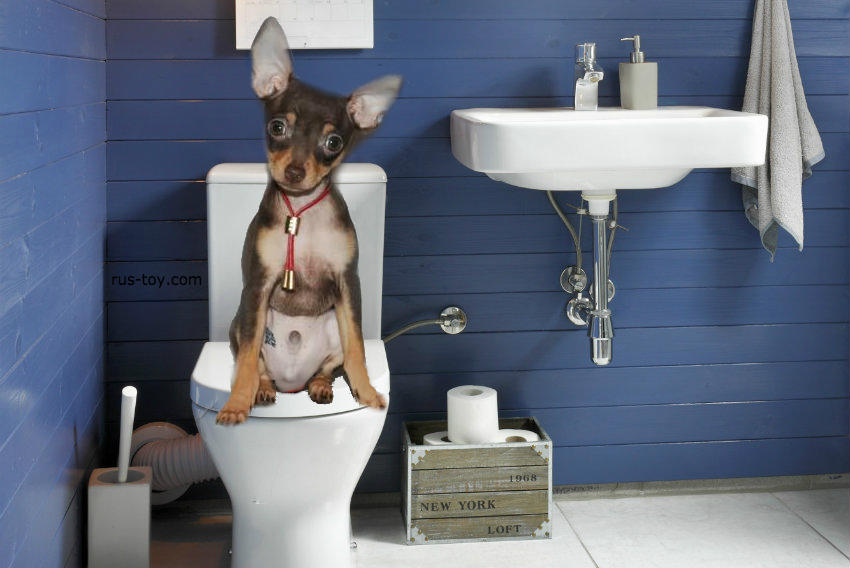
A dog in the house always brings a lot of positive emotions. For many pet owners, their pet becomes a family member. And, like every family member, a dog can have health problems.
Dogs, just like humans, can experience constipation. Moreover, this disruption in the defecation process is quite a common issue among our four-legged friends. If your dog is constipated, do not wait for it to "pass on its own," but identify the causes and treat your pet.
Symptoms of Constipation in Dogs
It is not difficult to identify the problem when there is difficulty in the expulsion of feces from the large intestine. When you walk with your four-legged pet, you often instinctively note when the animal relieves itself. And when the dog starts to strain painfully, trying to defecate, you will immediately notice it.
For some dogs, constipation can be so painful that the animal starts to whimper. So, constipation in dogs is characterized by the following symptoms:
- complete or partial retention of stool.
Advice: the normal frequency of fecal elimination from the rectum for adult dogs is from 1 to 3 times a day, and for puppies, up to 5 times a day.
- the process of defecation is accompanied by straining, and feces may come out as dry, hard small pellets.
- the animal's abdomen is hard due to gas accumulation. Upon palpation, the dog may experience pain.
- loss of appetite or complete refusal of food.
- overall lethargic state of the animal. The pet stops moving actively and prefers to lie down.
- in particularly severe cases, a white coating can be observed in the dog's mouth. This is a clear sign of body intoxication, often accompanied by vomiting.
Before starting to relieve your pet's condition, namely treating it, you need to identify the cause of the ailment, which may or may not be related to diseases.
When Does Constipation Occur if the Dog is Not Sick?
- if the animal's diet consists solely of meat and meat products. The lack of coarse fibers (fiber) in the dog's food indicates an improperly selected diet.
- if the pet is inactive and leads a sedentary lifestyle.
- if the dog has little outdoor activity or if the walks are short in duration.
- if the animal consumes little liquid. This often happens when the dog is fed dry food, and the owner provides insufficient water.
- if the pet tends to overeat regularly.
What Diseases Can Constipation Be a Symptom Of in Dogs?
- diseases of the gastrointestinal tract, particularly atony of the large intestine.
- neoplasms in the intestinal and perineal areas.
- diseases of the nervous system.
- prostate diseases (in males).
- problems with the spine.
- diabetes mellitus.
- It is also important to note the presence of a foreign body in the intestine as a cause of constipation.
Treatment of Constipation in Dogs
Constipation in dogs should not be taken lightly. Yes, there are cases when it "passes on its own." This can happen if the pet, after a period of inactivity, starts to be active again, or if the constipation was provoked by improper feeding or insufficient water intake, and the animal received the necessary food and liquid.
Before treating constipation, you must clearly determine the nature of the constipation. Because this will depend on how to treat the constipation in your pet.
Severe Cases of Constipation
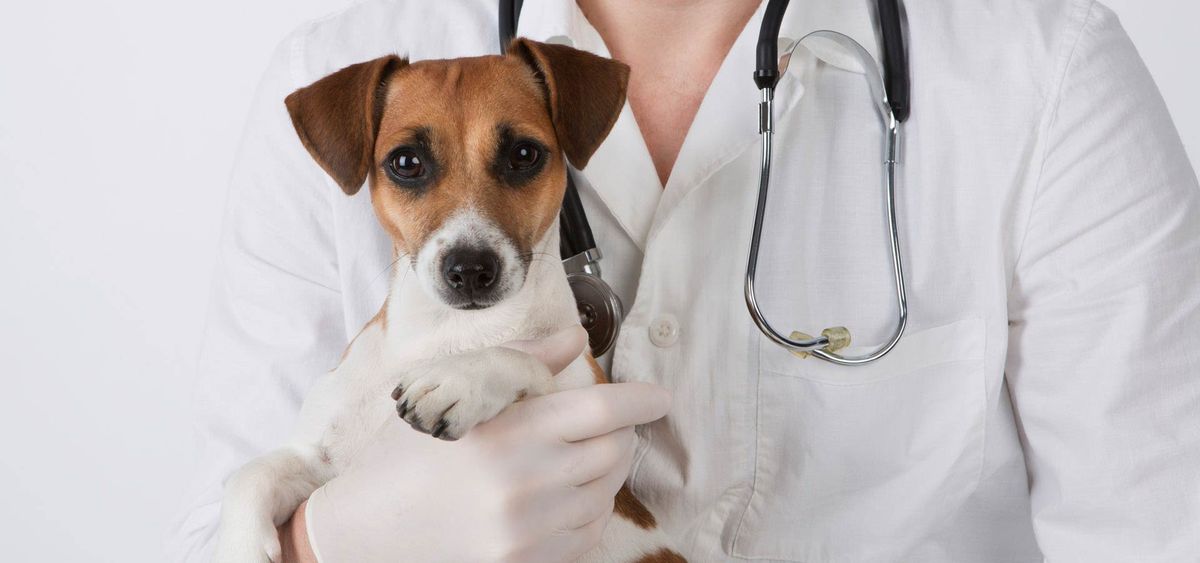
Prolonged constipation is serious enough that its consequences can be unpredictable, ranging from body intoxication to intestinal rupture and damage to internal organs. Therefore, as soon as you notice clear symptoms of constipation with pronounced behavioral changes in the dog, you should take your pet to a veterinarian.
This is especially true for constipation that is a consequence or side effect of the animal's illness. In severe cases, the animal may require surgical intervention by a qualified veterinarian. This is unavoidable in cases of intestinal torsion, intestinal obstruction, tumor or cyst formation, or the presence of a foreign body in the digestive tract.
The positive outcome of surgical treatment depends on following the veterinarian's recommendations for the animal's rehabilitation in the postoperative period.
Mild Cases of Constipation
In the absence of serious diseases in the dog, surgical treatment is not required. But your task is to alleviate the discomfort of your pet. There are various treatment methods for this:
- dietary changes. Remove sweets, pastries, fatty meats, smoked products, eggs, rich fatty broths, and hard cheese from the diet. For dogs accustomed to chewing bones, offer a bone made of sinew instead. Prefer boiled beef, veal, or chicken. Buckwheat is the best choice among cereals. And, of course, the diet should include plenty of stewed vegetables. Temporarily set aside dairy products, except for low-fat kefir or yogurt.
Dogs that eat dry food should be switched to a dietary food. And most importantly, regardless of whether the pet eats dry food or home-cooked meals, there should always be fresh water in the bowl.
folk remedies. You can give your dog one of the following tested folk remedies:
weak decoction of buckthorn.
infusion of pumpkin seeds (1 teaspoon per half a glass of boiling water).
flaxseed oil (for large dogs – 1 tablespoon twice a day, for small breeds like the Russian Toy Terrier – 1 teaspoon twice a day).
petroleum jelly (for small breeds – 1 teaspoon twice a day, for medium breeds – 1 tablespoon twice a day, for large breeds – 2 tablespoons twice a day).
Advice: it is most effective to give the dog folk remedies using a syringe, pouring the decoction or oil into the side of the animal's mouth.
- enema. For treating constipation, warm petroleum jelly is suitable. The enema with oil should be administered slowly into the rectum, without pressure or force. The amount of petroleum jelly needed for rectal administration depends on the size of the dog. For large breeds, 200 ml of oil should be used, for medium breeds – 100 ml, for small breeds – 50 ml, and for decorative miniature breeds like the Russian Toy Terrier – 1 tablespoon.
- medications. The problem can be addressed with laxatives that are used by humans. For example, Duphalac, Lactusan, Purgen, castor oil. Painful spasms in the dog can be alleviated with No-shpa or Baralgin.
- increased physical activity. The problem of insufficient physical activity in dogs reflects a decrease in muscle tone. In our case, this applies to the smooth muscles of the intestine.
Therefore, walk your dog more often and for longer. During the workweek, you should walk with your pet at least three times a day for half an hour. On weekends, each walk should be extended to an hour.
Pay special attention to moderate physical activity in older dogs, as their intestinal tone decreases with age.
Constipation in Puppies
The symptoms and treatment of constipation in puppies are the same as in adult dogs, but with some caveats:
- the diet should be agreed upon with a veterinarian, as the foundation of health is being laid at a young age.
- do not perform enemas on your own. This procedure should also be carried out by a veterinarian or an experienced specialist.
- the number of walks for puppies should be one and a half to two times more than for adult dogs.
And it is extremely important to show the puppy to a veterinarian in case of prolonged constipation to prevent the problem from becoming a chronic intestinal disease.
Frequently Asked Questions
How to Tell if a Dog is Constipated?
Constipation in a dog can be recognized by difficulty in defecation, painful sensations when palpating the abdomen, loss of appetite, and lethargy.
What to Do if a Dog is Constipated?
Do not wait for it to pass on its own. Identify the cause of the constipation and consult a veterinarian for treatment recommendations.
What Foods Can Cause Constipation in Dogs?
Constipation can arise from a lack of fiber in the diet, especially if the dog is fed exclusively meat and meat products.
How to Prevent Constipation in Dogs?
To prevent constipation, ensure your pet leads an active lifestyle, has enough water, and a balanced diet with fiber.
When Can Constipation Be a Sign of a Serious Disease?
Constipation can indicate diseases of the gastrointestinal tract, neoplasms, or diseases of the nervous system, so it is important to consult a veterinarian.
Found a mistake or outdated advice? Write to us and we will fix it.