Ear Diseases in Dogs
Ear diseases in dogs are common among our four-legged friends. Learn how to treat them and which medications to use.
Contents
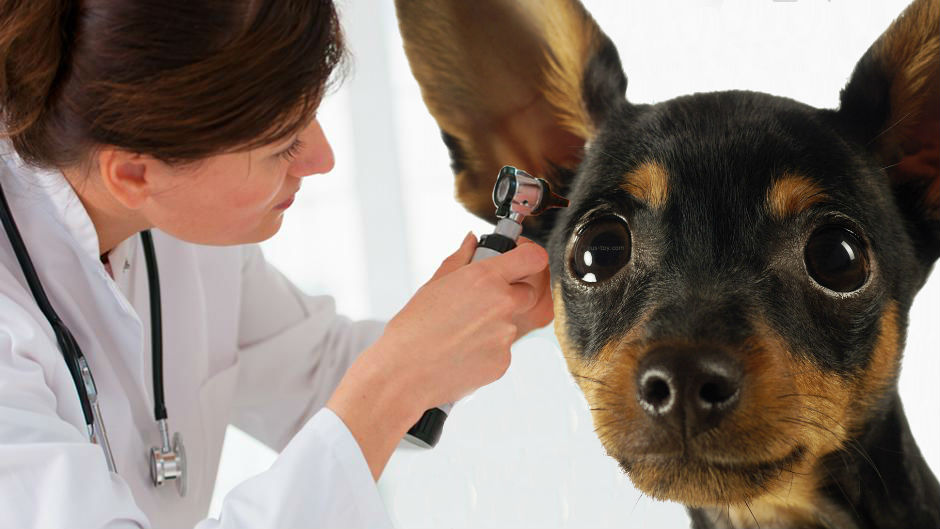
Ear diseases in dogs are quite a common occurrence among our four-legged friends.
The anxious state of the pet is immediately noticeable, as the dog shakes and tosses its head, trying to scratch its ear constantly. Upon external examination, you will immediately notice redness and sometimes purulent discharge.
Ear Diseases in Dogs
There are not many causes for ear diseases in dogs, so let's consider each of them:
- allergic reaction to food (changed the pet's food or the dog "snatched" something from the table, or picked up some edible piece on the street);
- water getting into the ear canal;
- accumulation of wax;
- parasites (mites), bacteria, fungi;
- injuries. Even while playing with other dogs, your pet can injure its ear.
- predisposition to ear infections.
According to statistics, dogs with long, floppy ears are the most susceptible to ear diseases. There are plenty of reasons for this: long ears can "sweep" the floor and ground, the ear canals do not ventilate well, and when water enters the ear, the owner may not notice and wipe the moisture as quickly as with pets that have erect ears.
Now, let's look at the symptoms of the main ear diseases in dogs.
- In the case of mechanical damage to the ear, which can be caused by blows, bites, crushes, etc., a cavity forms under the skin of the ear. It is in this cavity that blood accumulates – a hematoma. The danger lies in the fact that after two to three days a thrombus appears, and if microbes penetrate the hematoma, inflammation will begin.
The first signs of an ear hematoma are swelling of the ear, an increase in size, and the appearance of a bulge on the inner or outer side of the ear. The pet behaves restlessly and shakes its head for no apparent reason. If the hematoma is infected, traces of pus will be visible at the site of the swelling.
- A common disease in dogs is inflammation of the outer ear (otitis), which affects not only the skin of the ear but also the external auditory canal. Inflammation of the outer ear can occur in both acute and chronic forms. The causes of this disease can be all of the above, and even breed predisposition.
When the outer ear is inflamed, the four-legged pet begins to rub its painful ear with its paws and shake its head. The overall condition of the animal worsens; the dog may be restless or depressed. Refusal to eat is possible.
If you gently press on the painful ear, you will hear a characteristic squelching sound and may see dark brown liquid with an unpleasant odor in the ear canal.
- Inflammation of the middle and inner ear in dogs indicates the presence of an infection (hemolytic streptococci or staphylococci). Inflammation begins with problems in the middle ear and then progresses to inflammation of the inner ear.
Moreover, this disease is often complicated by pus formation. Smooth-haired dogs are most susceptible to these diseases. The purulent form of the inflammatory process is accompanied by an increase in body temperature, pus discharge from the ear, vomiting, and loss of appetite. The disease torments the animal, causing the dog to tilt its head toward the painful ear.
- Otodectosis (ear mange) in dogs manifests after infection with microscopic skin mites.
Carriers of these parasites are sick dogs, flies, and fleas. You cannot see the mites with the naked eye, as they are smaller than a millimeter. However, the disease can be recognized by its characteristic symptoms.
In addition to the restless and irritable state typical of a sick dog, the animal constantly shakes its head. Upon examining the inner surface of the ear, you will find scratches, pus, and dark scabs. This marks the beginning of the inflammatory process. The first days of the disease are characterized by a decrease in the pet's appetite, but over time the dog eats as usual, as it gets used to its condition.
Advice: special attention is needed for pregnant dogs that have contracted otodectosis, as there is a risk of exacerbation of the disease, evidenced by seizures and convulsions in the animal.
The complicated form of this disease manifests as purulent discharge from the ears. The disease is dangerous because it can affect the brain membranes and cause meningitis, which can lead to the animal's death.
How to Treat a Dog's Ears
If you notice the above symptoms, you should consult a veterinarian, as complications may arise. Typically, the dog doctor will perform an ear canal cleaning procedure and select appropriate antibiotics after taking a swab from the ear to identify the pathogen.
Advice: do not attempt to treat your dog's ear with any medications before visiting the veterinarian, as this may distort the test results.
Your task is to strictly follow the veterinarian's recommendations regarding the prescribed treatment regimen. The treatment course must not be interrupted under any circumstances.
Remember that before applying the medications prescribed by the doctor, the inner surface of the ear should be thoroughly cleaned of discharge.
Cleaning should be done with a dry cotton swab, previously moistened with lotion or baby oil. Use hydrogen peroxide for cleaning only on the veterinarian's recommendation.
What to Use to Treat a Dog's Ears
Treatment of ear diseases in dogs is carried out depending on the type of disease and under the supervision of a veterinarian:
Ear Hematoma in Dogs
For an ear hematoma, apply cold to the dog's head in a tilted position and place a tight bandage. This procedure should be performed for two days, and then, after the swelling subsides, apply Otodepin or a herbal preparation containing pine essential oil to the hematoma. With this treatment method, the hematoma heals within a week, at most ten days. Stopping the development of the hematoma or quickly bringing it to regression is aided by the drug Traumeel, which is administered subcutaneously twice a day.
Otitis in Dogs
If a dog has otitis, you will need to trim the hair inside the ear. Then, carefully clean the ear from crusts, scabs, and discharge. It is best to do this using Aurican ear drops or a disinfecting solution like Yodez. After treating the ear surface, apply 0.5% Prednisolone ointment.
After the veterinarian performs a novocaine-antibiotic blockade, the sores should be treated with Otodepin or Pichtoin.
Typically, for complex therapy in chronic inflammation of the outer ear, one of the following compositions is used:
- 3 ml of propolis tincture and 1 ml of Dexamethasone with the addition of 1% Dioxydin.
- 15 ml of Hemodez with 5 ml of propolis tincture.
Ear drops should be administered twice a day, trying to evenly distribute the solution across the ear. Then, gently fold the dog's ear in half and rub both halves against each other.
If otitis is caused by an allergic reaction in the animal's body, Traumeel or Echinacea Compositum injections will be effective. The Traumeel C preparation, produced in gel form, is used externally. — In the case of inflammation of the middle and inner ear in dogs, complex antimicrobial therapy is required. Broad-spectrum antibiotics such as Albipen, Neopen, and Gentamicin will handle this well. When using a novocaine-antibiotic blockade, it should be combined with antihistamines. In this case, Otodepin, pine alcohol, or geranium extract will help.
But! The dog must be under the veterinarian's supervision.
Otodectosis in Dogs
Treatment of the affected ear from otodectosis occurs in several stages. The ears are constantly cleaned of crusts, scabs, and discharge. The ear canals are treated with anti-mange preparations (Bars, Aurican, Decor-2, Otovedin, Epacid-Alpha). Also, use any therapeutic agent (Cipam, Otovedin) for treatment.
Advice: the anti-mange acaricidal solution should be applied to both ears, even if only one is affected by otodectosis.
If otodectosis is complicated by otitis, you will need antibacterial agents, preferably from the tetracycline group.
Constant monitoring by the veterinarian is necessary, who must confirm or refute the presence of parasites based on the tests.
Prevention of Ear Diseases in Dogs
Preventing ear diseases in our four-legged friends includes the following:
- try to keep water from getting into the animal's ears. If liquid does get into the ear, dry it with a towel or cotton swab.
- the pet should not get chilled.
- regularly inspect and clean the ears in a timely manner.
- if required by the breed, trim the hair in the dog's ear canal.
It is always easier to prevent any disease!
Frequently Asked Questions
How can I tell if my dog has ear problems?
Pay attention to your pet's behavior: if it shakes its head, scratches its ears, or shows signs of anxiety, this may indicate an ear disease.
What are the main causes of ear diseases in dogs?
Ear diseases can arise from allergies, water exposure, wax accumulation, infections, or injuries.
What are the symptoms of outer ear inflammation in dogs?
Symptoms include rubbing the ear with paws, shaking the head, and a general decline in condition, sometimes with a refusal to eat.
Why are long-eared dogs more prone to ear diseases?
Long ears can hinder ventilation, and the dog may "sweep" the floor, increasing the risk of dirt and moisture entering.
What should I do if my dog has a hematoma on its ear?
If there is a hematoma, you should consult a veterinarian, as this can lead to inflammation and requires treatment.
Found a mistake or outdated advice? Write to us and we will fix it.