Common Paw Diseases in Dogs
Home injuries and fracture signs in dogs, types of fractures, treatment, and care for cuts. Sprains. Dog chewing and licking paws.
Contents
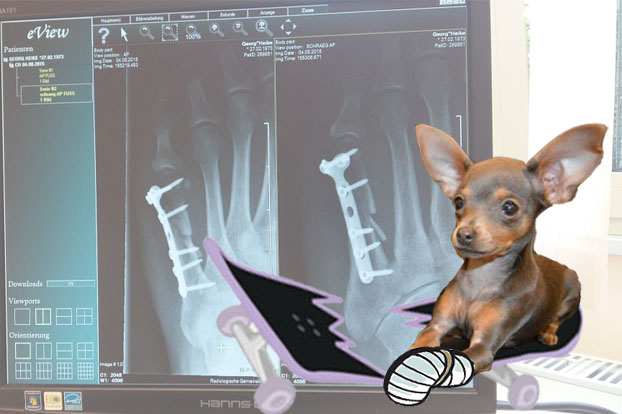
If a dog has a sore paw for any reason, it significantly affects its quality of life. Pets should be active and playful, and pain hinders even normal walks. Therefore, it is the owner's task to find the root of the problem and eliminate it.
Fracture of a Dog's Paw: Signs and Owner's Actions
Broken limbs are not a common diagnosis for pets. It occurs due to:
- external trauma — car accidents, falls;
- internal reasons — overly fragile bones, genetic predisposition;
- surgical correction of gait due to congenital bone deformities.
Types of Fractures
There are two types: open and closed. In the first case, there is damage to the external tissues, bleeding occurs, and fragments or broken bone tissue are visible. A closed fracture does not damage the skin, but there is an unnatural displacement of the bone or joint that is noticeable externally.
In both cases, immediately consult a veterinarian! If an open fracture is obvious, a closed fracture can be subtle. Then pay attention to the signs: limping or completely holding up the paw;
- the pet's anxiety, whining;
- tenderness in the area;
- rapid swelling of the site;
- elevated body temperature;
- sometimes nausea, vomiting.
My Dog Has a Broken Paw: What to Do
- Alleviate the pain by giving the pet a painkiller that has been used before.
- Organize safe transport to the veterinary clinic.
- Disinfect the open wound without removing or turning anything!
- Cover it with a sterile bandage.
- Calm the dog during transport, pet it and talk to it, avoiding touching the painful area.
Advice: For any fracture, it is forbidden to attempt to set anything back in place by yourself. Also, give a painkiller and head to the vet. An X-ray must be done before applying a splint or cast.
Household Injuries to Paws
This includes cuts, sprains, and strains. Symptoms are similar, but there is no obvious
- joint displacement:
- swelling, limping;
- tenderness;
- slight increase in temperature.
A dog can sustain a household injury while walking, stepping on glass, or jumping off the couch awkwardly and twisting its paw. The first rule is to remain calm and provide medical assistance.
Treating Cuts
- If this happens outdoors, pick up the pet and carry it home. Moving on its own will lead to contamination of the wound. If possible, cover it with a cloth, napkin, scarf, etc.
- At home, rinse the wound, and use tweezers to remove small objects, such as a shard. If it has penetrated too deeply into the tissue and cannot be removed, do not touch it — it may have damaged important vessels! This can cause severe bleeding.
Advice: Treat a small cut with hydrogen peroxide or another antiseptic, and apply a sterile bandage. If bleeding does not stop for more than 10 minutes, the dog loses consciousness, or whines — it is necessary to urgently take it to the hospital.
What to Do with Sprains
A minor injury or strain usually resolves on its own. Typically, the pet recovers its mobility within 2-3 days. To make its life easier, help avoid putting weight on the injured paw: carry it down steps, do not take it for walks uphill.
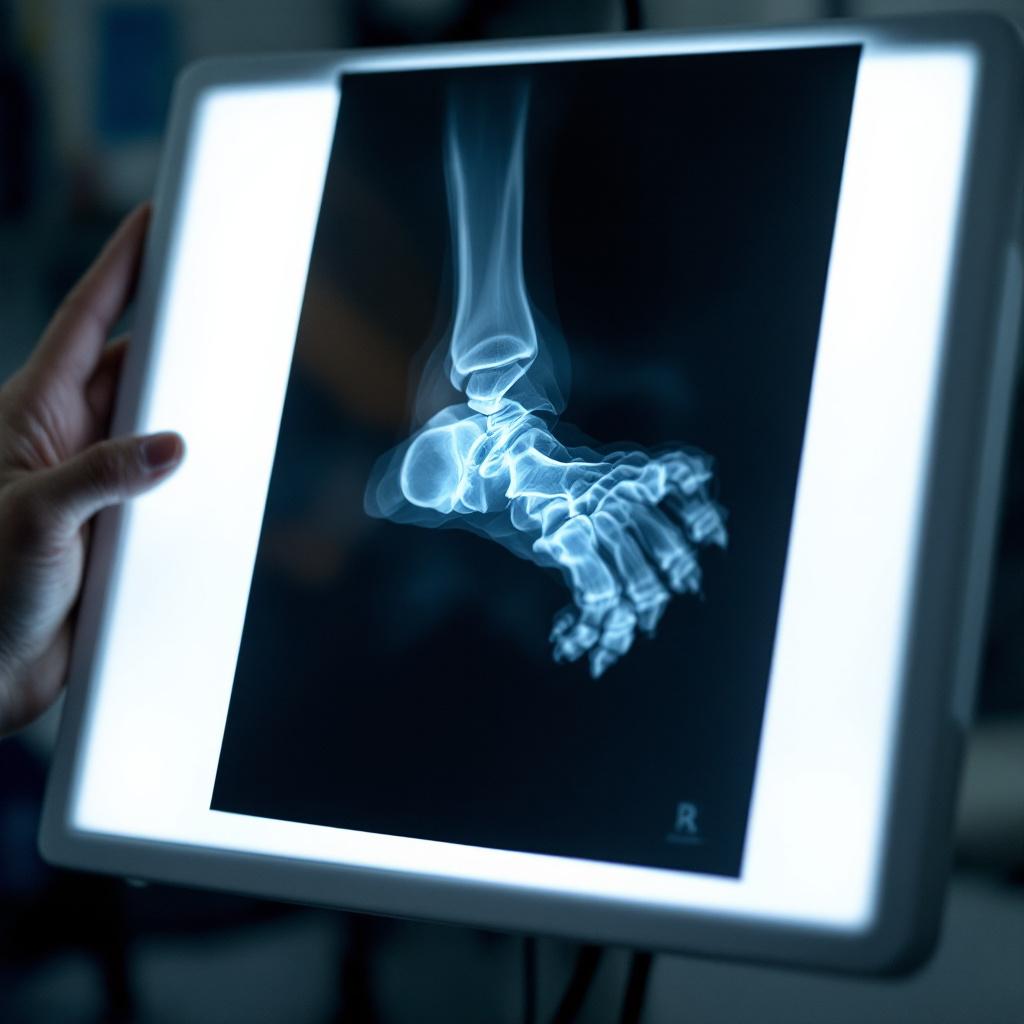
If limping persists and swelling does not subside, an X-ray should be done to rule out a closed fracture or serious dislocation. Then treatment is prescribed only by a veterinarian.
Effective Treatment for Dogs' Paws
Disorders in the musculoskeletal system can be signs not only of household injuries but also of other diseases: arthritis, rheumatism, joint inflammation, genetic predisposition to limping, etc. Therefore, pay attention to:
- the relationship between the nature of the injuries and the pet's age;
- how often they occur;
- whether there are external reasons for the fracture or dislocation.
If the dog is elderly and gets injured "out of nowhere," it is necessary not only to treat the symptom itself but also to support the skeleton as a whole. The vet may prescribe joint ointments, special tablets, or procedures. Injuries in young puppies indicate their clumsiness and inexperience but can also be congenital or hereditary. Therefore, they should also be monitored from childhood. Congenital clubfoot (especially in large breeds) usually resolves by 6 months of age.
Why Does My Dog Chew and Lick Its Paws?
Let’s answer two common questions:
- Why does it chew? It is likely biting at fleas. If it’s the feet, it may be adjusting the length of its claws or trying to remove a stuck object. Constant redness, itching, or discharge indicates a fungus or infection.
- Why does it lick its paws? There are several reasons: cleaning, trying to lick a small wound or callus. A one-time occurrence is not a cause for concern; if it happens constantly, it is a reason to examine the limb for inflammation and wounds.
Advice: To protect the dog from household injuries and infections, walk them in low grass, away from dangerous objects. It is important to notice disturbances in a timely manner and address them, following first aid rules.
Frequently Asked Questions
How to Tell if a Dog's Paw is Broken?
Pay attention to limping, anxiety, tenderness, and swelling. If the dog is holding up its paw and showing signs of pain, it is advisable to consult a veterinarian immediately.
What to Do if a Dog Has an Open Fracture?
Treat the wound with an antiseptic without removing any shards, and cover it with a sterile bandage. Then, take the dog to the veterinary clinic as soon as possible.
How to Treat Cuts on a Dog's Paws?
Rinse the wound, remove small objects with tweezers if they are not too deep. Treat the cut with an antiseptic and apply a sterile bandage.
What to Do in Case of a Dog's Paw Dislocation?
Do not attempt to set the dislocation back in place by yourself. Calm the pet, give it a painkiller, and take it to the veterinary clinic for professional help.
How to Prevent Paw Injuries in Dogs?
Ensure safety during walks, avoid areas with sharp objects, and monitor the dog's activities to prevent falls and injuries.
Found a mistake or outdated advice? Write to us and we will fix it.