Diseases in Dogs
A handy list of diseases with symptoms and links to articles detailing treatment. Tips and secrets from breeders.
Contents
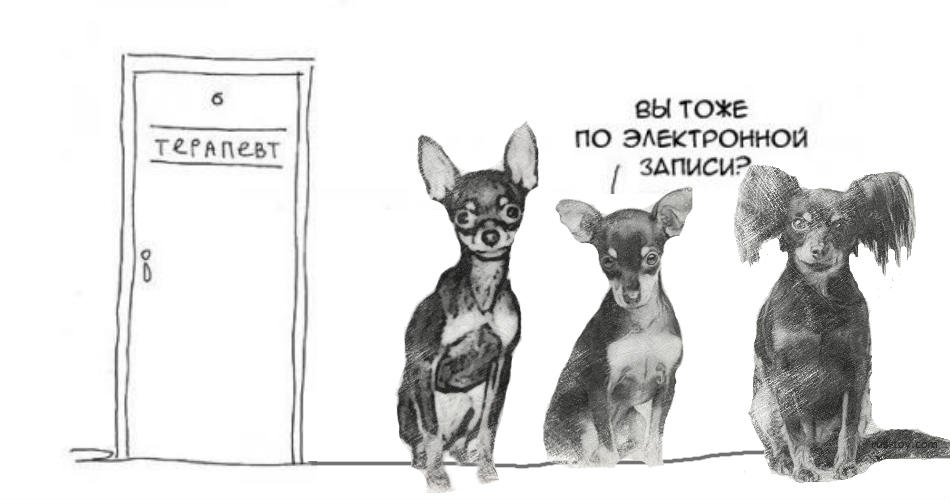
Wet, cool nose, bright bark, wagging tail, and loyalty in their eyes – these are the things that make our hearts swell with love when we see our four-legged friends. The emergence of diseases in our smaller brothers causes considerable concern for their owners. A brief overview of the main diseases of Toy Terriers can be found here, and if we talk more specifically about dog diseases in general, we have compiled a fairly comprehensive article on this topic, which you can read below.
Every owner should know the main types of diseases that affect dogs, be able to recognize symptoms in time, and provide proper treatment for their pet.
Symptoms of diseases in dogs. How to tell if your dog is sick.
The main, commonly encountered dog diseases are classified by their origin and include:
- infectious. The causative agents of infectious diseases are viruses, bacteria, and fungi.
Viral diseases in dogs include distemper, rabies, parvoviral enteritis, viral hepatitis, etc. Infection with bacteria leads to diseases such as tuberculosis, anthrax, brucellosis, tetanus, leptospirosis, etc., while fungi provoke the development of dermatomycosis.
- invasive. Diseases of this type are caused by various parasites, including unicellular parasitic organisms, parasitic worms (helminths), ticks, fleas, lice, and mites.
When infected with unicellular parasitic organisms, dogs can suffer from babesiosis, toxoplasmosis, and sarcocystosis.
- obstetric-gynecological and urological, depending on the dog's gender.
- surgical. This includes fractures, dislocations, frostbite or inflammation of tissues and limbs, various wounds, skin diseases, and gastrointestinal issues (presence of foreign bodies, intestinal torsion, or hernias, etc.).
- internal diseases, which include diseases of organs and systems and metabolic disorders.
The main symptoms of dog diseases that owners should pay attention to and respond to are:
- changes in appetite. It can increase when the dog starts eating a lot, often even inedible items, or decrease to the point of complete loss of appetite.
- changes in weight. This includes sharp fluctuations in the dog's weight – either loss or gain.
- paleness (anemia) of the gums in the oral cavity.
- changes in breathing. After physical exertion, the dog breathes with difficulty, intermittently, or gasps for air.
- excessive thirst.
- yellowish skin.
- bloating and sharpness of the abdomen.
- unpleasant odor from the mouth.
- irritations on the pet's skin.
- various types of cough.
- muscle spasms, convulsions, paralysis.
- rhinitis.
- shivering, chills, unusual for the breed, as in the Toy Terrier.
- diarrhea and constipation.
- pronounced swelling of the animal.
- excessive salivation.
- hoarseness.
- coated tongue.
- restless behavior or excessive apathy.
- strange behavior (for example, the dog rolling on its back).
If the dog is not eating.
Loss of appetite in a dog can be caused by several factors:
- psychological. The reason for refusing food may be separation from the owner, fear (for example, from loud fireworks or thunderstorms), or a change of residence. Changes in the pet's appetite can also be triggered by sexual activity (males are prone to this) or pregnancy in the dog.
- physiological. Loss of appetite in this case may be related to stomach disorders, poisoning, oral injuries, dental problems, or indigestion. The animal may also refuse food due to the presence of worms in its body.
- refusal to eat as a side effect of a serious illness related to the heart, lungs, thyroid gland, viral infection, stress, pain syndrome, or oncology.
Read more about this issue in our article "Why is my dog not eating".
If the dog is coughing.
Coughing in a dog can be a symptom of:
- a cold.
- an infectious disease.
- diseases of the upper or lower respiratory tract.
- a foreign body lodged in the dog's throat. In such cases, coughing is accompanied by vomiting spasms.
- heart failure.
- an allergic reaction.
However, it is not uncommon for a tight collar and leash to be the simple cause of coughing.
Read more about dog cough in our article "Why is my dog coughing".
The dog is shaking its ears.
It is hard not to notice if a dog is shaking its ears and head. Moreover, it does this persistently. This symptom should never be ignored, as it can be a sign of one of the following diseases or problems:
- ear inflammation (otitis).
- ear mange (the presence of ear mites in the dog).
- abrasions and open wounds on the ear.
- closed head injuries. This most often occurs with traumatic brain injuries.
- stroke.
- consequences of a previous distemper infection.
- a foreign body in the ear.
The appearance of this pronounced symptom in the dog's behavior should prompt an urgent visit to the veterinarian, who will diagnose the disease or identify the problem and prescribe treatment. For detailed information on ear diseases in dogs, read our article "Ear Diseases in Dogs".
If it is not due to injuries, stroke, or distemper, treatment involves using ear drops for dogs (for inflammation) and drops for ear mites in cases of otodectosis (ear mange).
Don't forget to clean your dog's ears! To learn how to do this properly, read the article "How to Properly Clean Your Dog's Ears".
What to do if your dog has bad breath.
An unpleasant odor from a dog's mouth always indicates health problems. This is a warning sign that arises from diseases:
- of the teeth (cavities, tartar, and plaque) and gum injuries.
- of the kidneys and urinary system (characteristic ammonia smell).
- of the digestive tract (gastritis, intestinal obstruction, liver problems).
- of colds and inflammatory processes in the respiratory tract.
- of allergies.
- of worm infestations.
- of oncological tumors.
Additionally, an unpleasant odor may accompany the change of milk teeth when a baby tooth that cannot fall out on its own damages the gum.
If your dog has bad breath, you need to determine the cause. Sometimes this requires a visit to the veterinarian, who will examine the animal, take tests, and make a diagnosis. Only after addressing the cause will the unpleasant odor cease to bother you.
For more details on combating bad breath, read our article "Why Does My Dog Have Bad Breath".
Puppy diseases symptoms.
For young, unformed dogs, any illness is much more dangerous than for adult individuals. The growing, undeveloped body is subjected to destructive effects from diseases that, if not stopped in time, can lead to the puppy's death.
The diseases mentioned at the beginning of the article also occur in puppies. However, we want to highlight those diseases that require special attention, considering the young age of the dog.
- infections such as distemper, parvoviral enteritis, and infectious hepatitis are dangerous for puppies. These diseases have the highest mortality rates among dogs. For example, a puppy that contracts parvoviral enteritis can perish literally within three days. The risk group for canine distemper includes puppies aged 3 months to 1 year.
The main symptoms of infectious diseases in puppies include ordinary or bile vomiting, bloody diarrhea, dark brown urine, and increased temperature (in infectious hepatitis) or, conversely, decreased temperature (in parvoviral enteritis).
- parasites. The presence of external and internal parasites is often recorded in puppies. While the presence of fleas, ticks, and lice can be visually identified, the presence of worms in the body can only be determined by signs such as constipation or diarrhea, lethargy, pale mucous membranes, lack of appetite in puppies, bloating of the abdomen with protruding ribs, coughing, and hiccups. Larvae, eggs, and adult worms may be present in the feces.
- non-infectious diseases can cause just as much harm to a puppy's body as infectious and parasitic diseases. Such diseases include rickets, hernias, obesity, osteochondrosis, and hypo- and hypervitaminosis. The superficial perception of these diseases by owners can lead to skeletal deformities and impaired functioning of internal organs.
Symptoms of rickets and hernias in puppies.
In rickets, the puppy is passive, weak, its gait becomes unsteady, and trembling in the limbs is observed. There may be an increase in appetite followed by regurgitation, diarrhea, or constipation. With a significant depletion of vitamin D from the bones, joint deformities occur, the spine sags, and the enamel of the teeth darkens (the change of milk teeth is delayed), the dog loses weight significantly and lags behind its peers in growth.
The most common type of hernia in puppies is an umbilical hernia. This type of disease can be diagnosed visually. Because the umbilical ring does not close, the puppy's abdomen begins to protrude, which stretches the connective tissue. There are no painful sensations when pressing on this area of the abdomen, but the puppy is lethargic and eats poorly. Umbilical hernias are often accompanied by rapid heartbeat and labored breathing.
Treatment of diseases in dogs.
A correctly made diagnosis is 50% of success. After that, everything depends on the owner and how they will treat their sick dog. There is no universal pill for dogs. Each disease requires its own approach and treatment method. And then your pet will thank you with a bright bark and nuzzle your hand with its cold, wet nose.
How to treat a cold in dogs.
Treating a cold in a dog is not difficult in itself, but it should not be left to chance, as the consequences of an untreated cold can be quite serious.
Symptoms.
A cold in a dog is characterized by the following signs:
- dry, hot nose.
- rising body temperature.
- appearance of cough and nasal discharge.
- redness of the eyes and discharge from the eyes.
- loss of appetite with an increased need for drinking.
As you can see, the symptoms of cold diseases are similar to those in humans. Sometimes, just remembering how you feel when you catch a cold can help you determine if your dog has a cold.
Treatment.
To treat a cold in a dog, you should know how to treat your pet and take certain actions:
- as prescribed by the veterinarian, give the pet anti-inflammatory and expectorant medications. In severe cases, antibiotics may be necessary.
- alongside the main medications, the veterinarian prescribes immunostimulants and vitamins for the dog, which help the dog's body not only cope with the cold but also recover quickly afterward.
- high temperatures in dogs can be reduced with paracetamol, but you must be careful with the dosage. It is best for the veterinarian to prescribe the dosage for you.
- feel free to add decoctions of licorice root, plantain, and coltsfoot to the dog's drinking water.
- clear nasal discharge and eye discharge with cotton pads soaked in chamomile infusion or furacilin solution.
In 5-7 days, you will see that the cold has completely disappeared.
Pulmonary edema in dogs.
An untreated cold in a dog can lead to pneumonia, which, in turn, can provoke the development of a critical condition in the animal, such as pulmonary edema.
Pulmonary edema is diagnosed by the blueness of the dog's oral mucosa, abundant foam or saliva discharge, and vomiting. As soon as you notice restlessness and chaotic behavior in your dog, with pronounced tachycardia, rapid pulse and breathing, and shortness of breath even after walking, immediately contact a veterinarian.
The fact is that with pulmonary edema, the dog must be hospitalized at a veterinary clinic, as the animal needs to be under constant observation by veterinarians for resuscitation measures.
Eczema in dogs.
We specifically highlight this disease. Eczema is a common condition among dogs and is still difficult to treat. Unfortunately, there are many reasons for the appearance of eczema in a dog. However, the symptoms are similar – an inflammatory process of your pet's skin. Initially, you may not even suspect the onset of the inflammatory process in the dog's skin.
Eczema, both wet and dry, should only be treated under the supervision of a veterinarian. The behavior of a small spot or a large area of skin integrity is unpredictable. Seemingly subsiding, eczema can flare up again with renewed vigor.
Treating eczema involves eliminating the internal or external cause of the skin inflammation. Only a veterinary doctor can do this.
Dysbacteriosis in dogs.
The treatment of any disease directly or indirectly endangers the dog's intestinal microflora, depleting the body and suppressing the animal's immune system.
Diagnosing the development of intestinal dysbacteriosis in dogs is challenging because the symptoms are vague and similar to a number of other diseases.
A clear but not obligatory symptom of dysbacteriosis is diarrhea, which only exacerbates the harm to an already weakened immune system.
The treatment of dysbacteriosis depends on the extent of the loss of the "native" microflora and involves the use of immunostimulants. In addition to medication, it may be beneficial to switch the dog to a milk diet, including goat's milk, yogurt, and sour milk in the pet's menu whenever possible.
Any disease in a dog requires a veterinary examination. Self-treatment will only worsen the illness and may lead to the emergence of other diseases.
May your pet always be healthy!
Frequently Asked Questions
How can I tell if my dog is sick?
Pay attention to changes in your dog's appetite, weight, breathing, and behavior. Symptoms may include pale gums, excessive thirst, or restlessness.
What are the most common diseases found in Toy Terriers?
Toy Terriers are prone to infectious, invasive, obstetric-gynecological, and surgical diseases. It is important to monitor their health and consult a veterinarian in a timely manner.
What should I do if my dog shows strange symptoms?
If you notice unusual symptoms such as coughing, shivering, or changes in appetite, immediately consult a veterinarian for diagnosis and treatment.
How can I prevent diseases in Toy Terriers?
Regular veterinary check-ups, vaccinations, and parasite prevention will help prevent diseases. It is also important to monitor the dog's diet and physical activity.
When should I be concerned about my Toy Terrier's health?
If you notice sharp changes in your dog's behavior, appetite, or physical condition, it may be a sign of illness, and you should consult a veterinarian.
Found a mistake or outdated advice? Write to us and we will fix it.