Skin Diseases in Dogs
Overview and treatment of common skin diseases in dogs: ringworm, fungus, ectoparasites, allergies, dermatitis, and pyoderma.
Contents

Skin Diseases in Dogs
Despite the fact that a pet's coat is often protected by thick fur, skin diseases can be caused by both external environmental factors and dangerous infections or parasites. The animal's immunity and care play a significant role in its susceptibility to disease.
There are also breeds that are genetically predisposed to skin issues. For each condition, the veterinarian prescribes individual therapy.
Description of Skin Diseases in Dogs
A pet suffers from external factors, but poor nutrition and improper care can lower immunity and increase risk. In veterinary medicine, skin diseases in dogs have four origins:
- allergic
- fungal
- parasitic
- bacterial
At the first signs of concern in behavior and well-being, it is important to consult a veterinarian. Some conditions in acute form can be life-threatening and require immediate intervention.
The Most Common Skin Diseases
These conditions affect dogs of all breeds and ages. Most of them are not dangerous to humans, but the pet can become contagious to other animals. For example, fleas can jump to cats.
Dermatomycosis (Ringworm) in Dogs

Also known as tinea. This condition is caused by a fungus and is latent in the first stage. The first signs appear in the second stage, which include:
- areas with thinning fur, most often on the face and tail
- rash
- red spots
Usually, the animal does not show signs of distress, and the area does not itch in most cases. There are several types of ringworm:
- pink
- tinea
- kerion
- moist
- shingles
The first type is less dangerous. It resolves on its own within 5-6 weeks. The others are caused by different fungi and viruses, such as shingles, which is caused by herpes. Effective therapy is possible if the type of ringworm is correctly identified, so clinical blood tests and scrapes are done before treatment.
Mycosis (Fungus) in Dogs
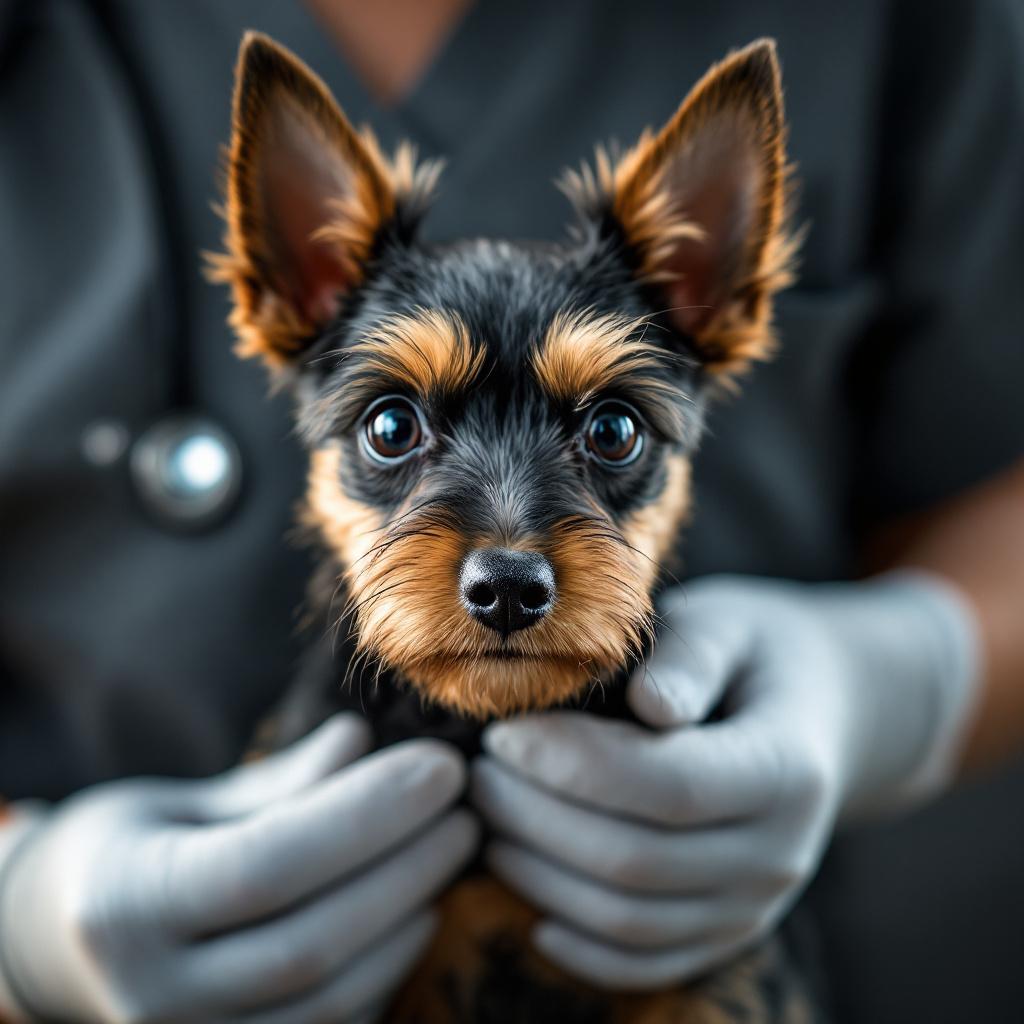
The causative agents of the disease are fungi. The pet becomes infected in unsanitary conditions: if it is not bathed, digs in garbage, or comes into contact with feces or sick animals. The signs of each mycosis vary, but common symptoms include:
- gray crusts on the skin
- purulent wounds
- inflammation of the tonsils
- extensive non-oval skin inflammations
Read more about ringworm, fungal diseases, and their treatment in the article Red Spots on Dogs' Bodies.
Ectoparasites in Dogs
Insects that parasitize the pet's body: fleas, ticks, and lice. Infection can come from the external environment or from other animals. They can be extremely dangerous for puppies and elderly dogs, so preventive measures are taken: bathing with special shampoos, treatment with drops, sprays, and wearing collars. These products work comprehensively, protecting against flea and tick infestations for up to a month.
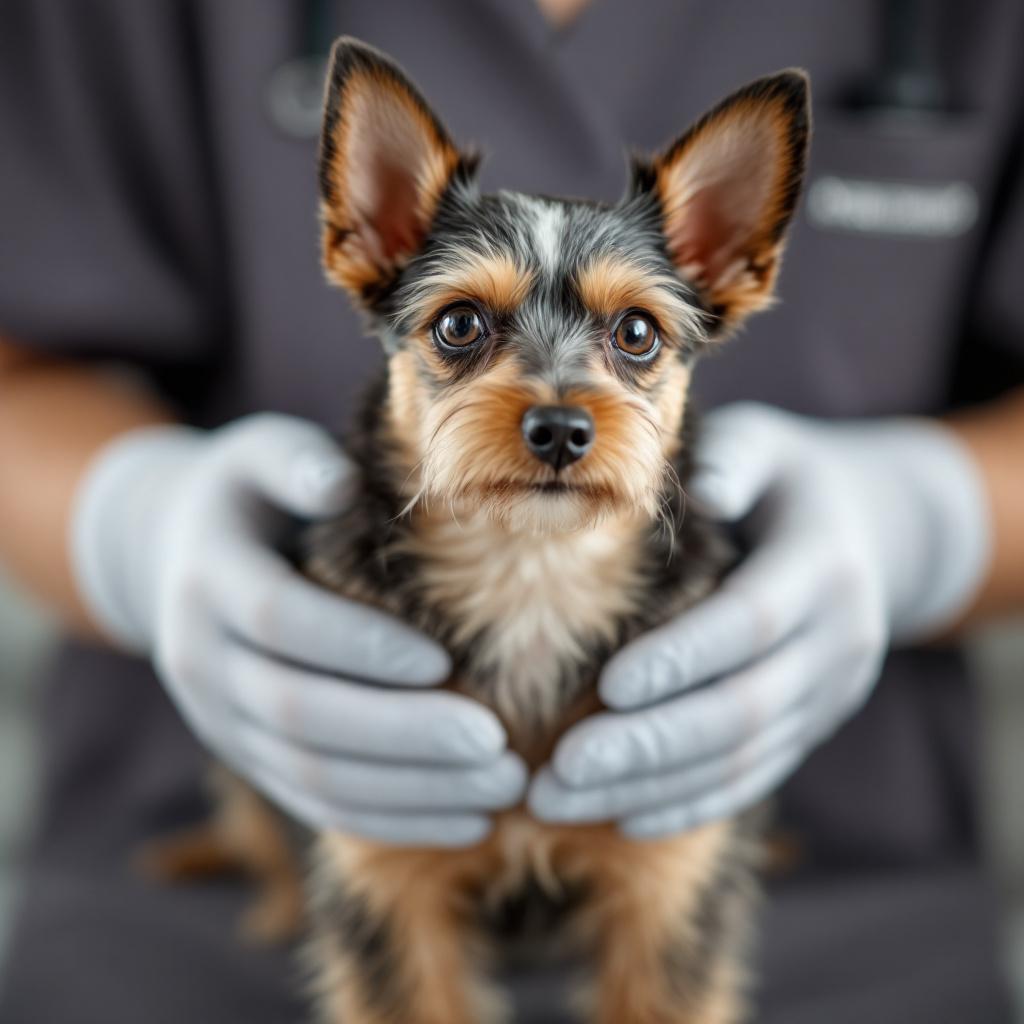
Symptoms of infestation include:
- The animal scratches itself, damaging the skin to the point of bleeding.
- The dog becomes lethargic, apathetic, eats without appetite, and does not play.
- With a large number of parasites, bald patches appear.
Ticks can provoke allergies or transmit other life-threatening diseases, so treatment should begin immediately. Another form of infestation by these ectoparasites is scabies.
Individual parasites are removed mechanically, following instructions.
Learn more about parasites in dogs: Fleas in Dogs. How to Get Rid of Them, What Products Are Available.
Allergies in Dogs
A complex reaction of the body to an irritant, often manifested on the skin. This can be a collar, shampoo, flea treatment, contact with a plant, clothing, etc. The danger of allergies lies in their hidden course and the threat of anaphylactic shock.
If you notice a rash on the skin and do not associate it with other factors, consult a veterinarian and have allergy tests done on your pet. Then, the trigger for the condition is eliminated from the dog's life, and antihistamines are given during exacerbations.
Pyoderma in Dogs
Purulent inflammation in the layers of the skin, which manifests as boils. The causative agent is staphylococcus. It more commonly develops in dogs with weakened immunity due to illness, poor nutrition and care, or age-related changes. It spreads quickly throughout the body.
Symptoms of skin disease in dogs include:
- redness of the skin
- severe itching
- small pus-filled bumps with an unpleasant odor
- bald patches
- swelling
- pain
- nausea, vomiting
Depending on the affected tissues, conditions include hidradenitis (inflammation in the sweat glands), folliculitis (hair follicles), carbuncles, and boils. Breeds with skin folds are prone to pyoderma.
Atopic Dermatitis in Dogs
A reaction of the body to external factors: dust, dirt, allergens, ectoparasites. Red patches that itch severely form in the interdigital folds and mucous membranes. Often, pets are genetically predisposed to atopic dermatitis. Main symptoms include:
- severe itching
- manifests between 6 months and 3 years of age
- causes discomfort during eating, defecation, walking, etc.
Breeds predisposed to atopic dermatitis include Shar Peis, Bulldogs, Boxers, Dalmatians, Labradors, Pugs, and Dachshunds. In addition to medication therapy, it is important to ensure a good microclimate in the home and provide proper nutrition.
Learn more about the causes of skin problems in dogs: Why Is My Toy Terrier Losing Hair?
Oncology in Dogs
This involves the formation of tumors of a benign or malignant nature. Cancer can affect not only the skin but also internal organs. Skin neoplasms are called melanomas. Signs of the disease include:
- weight loss
- general weakness
- nausea, vomiting
- swelling
- seizures
- labored breathing
- lethargy, depression
Unfortunately, serious problems are caused by malignant tumors. To determine if the pet has cancer, multiple tests are conducted: blood, urine, feces, X-rays, tomography, and biopsy.
Skin Diseases in Older Dogs
Older pets have reduced immunity, and age-related changes occur in tissues and organs. Therefore, they develop diseases that are less common in younger animals. These conditions can be managed to prolong the pet's life.
Hyperestrogenism in Dogs
Not strictly a skin disease, but it manifests on the skin. The cause is a hormonal imbalance in females. Symptoms include:
- symmetrical hair loss on the abdomen or groin
- dandruff
- itching
In this case, sterilization is indicated, which older pets may not tolerate well. Therefore, specialists recommend performing the surgery at a young age.
Cushing's Syndrome in Dogs
Caused by excessive hormone production by the adrenal glands. Symptoms include:
- apathy
- fatigue
- cystitis
 - irregular heat cycles
- muscle atrophy
- irregular heat cycles
- muscle atrophy
The skin of affected animals becomes loose, with bruises and dandruff appearing.
Fur grows slowly, falls out, and rashes become visible. After diagnosis, the owner can expect long-term treatment throughout the pet's life.
Treatment of Skin Diseases in Dogs
Treatment depends on the established diagnosis and breed characteristics. It is not advisable to experiment on your own with serious symptoms. Parasitic diseases are treated with external therapy if there are no accompanying infections. It is necessary to remove parasites and their eggs using chemical or mechanical methods.
Bacterial or viral infections are treated with comprehensive therapy. Oral antibiotics and external medications such as ointments, creams, and shampoos are prescribed. Special ointments are used to combat fungi. It is also important to work on strengthening the animal's immunity to prevent relapse.
Allergies cannot be completely cured but can be managed: during exacerbations, antihistamines are given.
Oncology is the most challenging to treat. It involves:
- only removal and rehabilitation if benign
- removal and/or chemotherapy if malignant
Unfortunately, late-stage cancers with metastases to other organs are almost untreatable. Age-related changes are managed according to the veterinarian's recommendations. It is crucial not to neglect your pet's skin diseases. Preventive measures, good care, and monitoring the animal's health are essential. A veterinarian can prescribe the correct treatment after several tests.
Frequently Asked Questions
What are the main causes of skin diseases in dogs?
Skin diseases in dogs can arise from allergies, fungi, parasites, and bacteria. Poor nutrition and inadequate care also contribute to their development.
What are the first signs of dermatomycosis in a dog?
Signs of dermatomycosis include areas with thinning fur, rashes, and red spots, most commonly on the face and tail.
What is mycosis in dogs and how does it manifest?
Mycosis is a fungal disease that occurs in unsanitary conditions, manifesting as gray crusts on the skin and purulent wounds.
Why are ectoparasites dangerous for dogs?
Ectoparasites, such as fleas and ticks, can be extremely dangerous for puppies and elderly dogs, so it is important to take preventive measures such as regular bathing and treatment with special products.
How to treat skin diseases in dogs?
Treatment for skin diseases should be prescribed by a veterinarian who will conduct the necessary tests to determine the type of disease and select individual therapy.
Found a mistake or outdated advice? Write to us and we will fix it.