Vaginal Discharge in Dogs: Types and What to Do
Diagnosing vaginal discharge, causes in spayed females, signs before and during heat, and other types of discharge.
Contents
Title: Discharge from the Loop in Dogs: What Types Exist and What to Do
The loop is an organ of the dog's reproductive system. Worrisome symptoms cause concern not only among breeders of purebred dogs but also among those whose pet is sterilized or will never mate. Different types of discharge can indicate local and systemic disorders in the body.
What discharges are normal? Transparent mucous discharges, sometimes with a slight mix of blood (irregularly), without any foreign odor or inflammation, are definitely considered natural. They appear during estrus, during pre-labor activity, and for a few days afterward.
Dog Discharge from the Loop During Estrus
Estrus indicates the achievement of sexual maturity. It is divided into 3 stages: proestrus, ovulation, and the end. After this, there is a period of sexual rest lasting 100-150 days.
During proestrus, brown discharge from the loop appears, but ovulation has not yet occurred. To avoid mess, owners use special panties. During ovulation:
- it is absent;
- it becomes pink;
- it does not change color.
When ready to mate, the dog allows the male to approach without aggression and assumes a specific position. After estrus ends, the discharge disappears, and sexual rest begins. If mating occurred, pregnancy may follow.
More about estrus and pregnancy in the Toy Terrier: Mating Toy Terriers. Everything you need to know.
Discharge from the Dog After Giving Birth: What to Do
It is normal for discharge to last up to 2-3 days. Usually brownish in color and sticky. Over time, it lightens to transparency. It should completely stop within 2 weeks if the uterus has returned to its pre-pregnancy size.
Risks
In dogs that have not given birth, the process of organ reduction is prolonged, leading to sticky discharge with a mix of blood. The danger of an enlarged uterus includes:
- development of endometriosis;
- infection risks;
- emergence of pathogenic bacterial flora.
Conversely, if the uterus closes too tightly, it may not expel the placenta. Therefore, an ultrasound is typically performed for diagnosis after whelping, usually on the fourth or fifth day.
Care and Attention
The owner should ensure proper care for the mother and puppies, adequate sanitation, and nutrition. Veterinarians emphasize that discharge from the loop during pregnancy is a pathology and requires consultation with a specialist.
Typically, discharge appears a few hours before giving birth—thick and white or gray in color. They have no odor, and the female's body temperature decreases.
Diagnosis by Discharge Color
The consistency and color can help determine the type of disease, but these indicators are not always clear. Therefore, it is still advisable to consult a doctor who will prescribe effective treatment.
Whitish Discharge
Indicates vaginitis—inflammation of the vaginal mucosa. Owners may not notice it or confuse it with the onset of estrus, as the female licks it away. It occurs in sexually mature dogs but can also happen in juvenile (puppy) vaginitis. Treatment involves antibacterial therapy.
Bloody Discharge in Dogs
If drops of blood are discharged from the loop, it may indicate a venereal sarcoma. The tumor is transmitted during mating. It affects the mucosa not only of the reproductive organs but is more commonly localized there. Research is necessary to choose treatment methods in consultation with a doctor.
If the Dog Has Purulent Discharge from the Loop
Abundant discharge with a foul odor is attributed to pyometra. It occurs in two forms: when pus is expelled and when it accumulates. This is a life-threatening inflammation requiring immediate treatment.
Causes of Discharge in Dogs After Sterilization
The following causes may be responsible:
- a remnant of a functional ovary, leading to estrus;
- inflammation of the stump;
- vaginitis, as the vagina is not removed during surgery;
- neoplasms.
The cause can only be diagnosed after investigations. Complications after surgery are extremely rare; moreover, they normalize the hormonal state of the animal if breeding is not planned.
Advice: Therefore, sterilization and castration are recommended for pet dogs not intended for breeding.
What Discharge Means in Dogs After Estrus
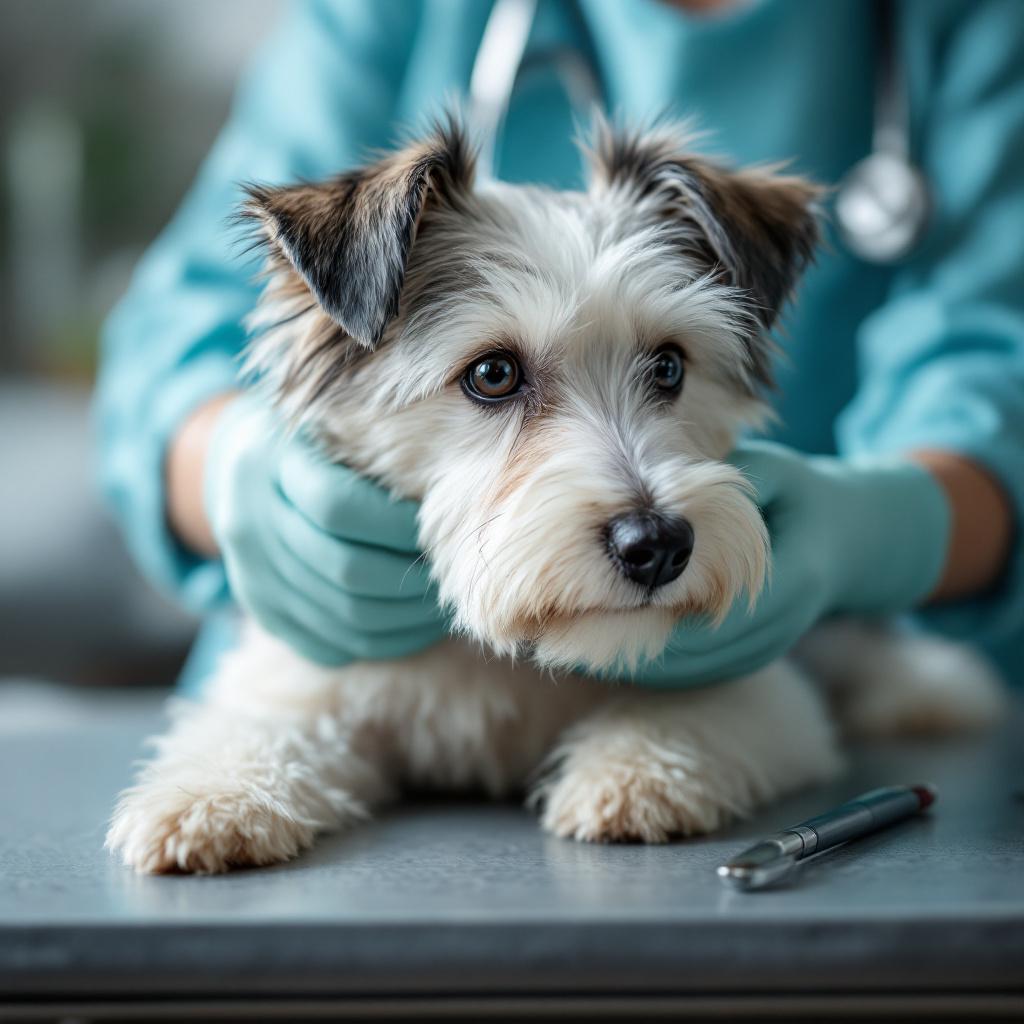
Discharge is normal if it is transparent and smear-like, without any particular odor. It often occurs in young females with an irregular cycle. If the discharge contains brown or purulent impurities for an extended period, there is a risk of infection, and it is better to consult a doctor.
Frequently Asked Questions
What Discharge from the Loop in Dogs is Considered Normal?
Normal discharges are transparent mucous discharges, sometimes with a slight mix of blood, without odor or inflammation. They can appear during estrus and after giving birth.
What to Do if a Dog Has Discharge After Giving Birth?
Discharge after giving birth is a normal phenomenon for 2-3 days. If it lasts longer or has a mix of blood, it is necessary to consult a veterinarian.
How to Determine if a Dog Has Problems with Discharge?
Worrisome symptoms include changes in color, odor, or consistency of the discharge, as well as prolonged discharge in dogs that have not given birth. In such cases, it is advisable to consult a veterinarian.
What Do Whitish Discharges in Dogs Mean?
Whitish discharges may indicate vaginitis—inflammation of the vaginal mucosa. This condition requires consultation with a veterinarian for treatment.
How to Care for a Dog with Discharge from the Loop?
Ensure proper care for the dog, including sanitation and proper nutrition. If the discharge causes concern, be sure to consult a veterinarian.
Found a mistake or outdated advice? Write to us and we will fix it.