Nipple Discharge in Dogs: Types and What to Do
Learn why nipple discharge occurs: causes and diagnosis. Mastitis, ectasia, papilloma, and injuries. Know when to be concerned.
Contents
It happens that fluid is discharged from a dog's nipples. This is a natural phenomenon, but it can sometimes be a concerning sign for the health of the female. The nature and frequency of the discharge help establish a preliminary picture, while tests clarify the diagnosis.
Tip: Before visiting the vet, remember the color and quantity of the discharge, the time of appearance, whether it occurs on its own or after pressure, and if there are any additional symptoms.
Discharge from a Dog's Nipples During Pregnancy: Should You Worry?
The mammary glands in a female swell on the 30-40th day of pregnancy. During this period, white discharge is a normal occurrence — it indicates the onset of lactation.
This is more common in dogs that have given birth before; for them, milk secretion is considered normal starting from the 40th day of pregnancy, while first-time mothers may produce milk only after giving birth or just a few days before.
It is important that during lactation there are no traces of blood or pus, and the color varies from white to whitish-transparent.

Brown Discharge from the Nipple: Causes
Such a color indicates the presence of blood in the fluid. This condition can be dangerous for the animal. The main causes include:
- Dilation of the milk ducts.
- Papilloma.
- Injury to the gland.
Dilation
Inflammation of one or two ducts leads to brownish or greenish discharge. Applying warm compresses can relieve the condition, and antibiotics are used internally. Sometimes, the damaged duct needs to be surgically removed.
Papilloma
A benign tumor caused by a virus. It usually does not interfere with the pet's life. It is diagnosed based on symptoms: swelling in the area of the nipple, bloody discharge. There are now quick methods for removing growths, including nanoscopic surgery.
Injury to the Mammary Gland
Clear or bloody discharge occurs due to damaged capillaries. Minor bruises cause a temporary symptom. If they do not go away, a visit to the veterinarian is necessary.
Diagnosis of Yellow Discharge from Nipples
The two most common causes are mastitis and malignant tumors of the mammary gland. The yellow color of the discharge is due to pus.
Mastitis
There are several types, all provoked by pathogenic bacteria. A self-diagnosis is not possible — a fluid analysis is essential. Accompanying symptoms include:

- Elevated temperature;
- Enlarged gland;
- Redness;
- Tenderness.
The veterinarian will first prescribe broad-spectrum antibiotics, then select the appropriate type after the tests. It is not advisable to apply warm compresses: in cases of purulent mastitis, this only creates a favorable environment for bacteria. It is better to remove the discharge, keep the nipples clean, and wait for the veterinarian's recommendations.
Tip: Read more in the article Mastitis and Mastopathy in Dogs — Symptoms, Treatment.
Oncology
A life-threatening diagnosis, treated surgically and with radiation therapy. Early signs include tumors, discharge, tenderness, and deterioration of the pet's condition. Unfortunately, some stages are already incurable, so regular preventive examinations are important. Signs of a malignant tumor include:
- Fusing with the body's tissues.
- Differing in temperature — hot.
- Purulent or bloody painful discharge.
- Enlarged lymph nodes.
A comprehensive set of tests and procedures is prescribed for diagnosis: ultrasound, X-ray, mammography, fluid analysis, blood tests, urine tests, and tumor biopsy. There can also be benign fibroadenomas and adenomas, which are surgically removed.
Why Are There Clear Discharges from a Dog's Nipples?
Non-painful white discharge from the nipples can appear not only during lactation before giving birth but also during so-called false pregnancy. This is a cycle disorder in the dog that occurs between heat cycles. There is a hormonal imbalance in the body, and the female feels pregnant. 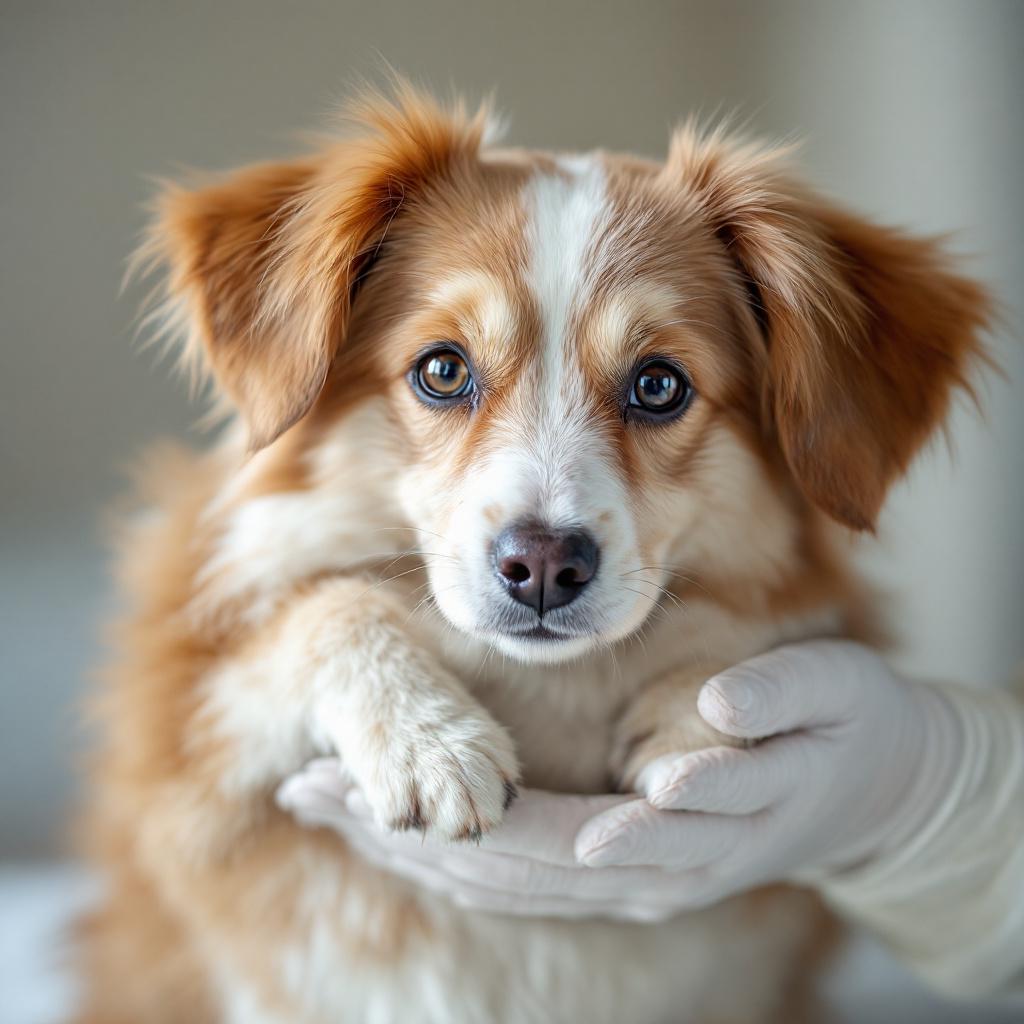
During this period, she may behave aggressively, mistaking a toy for a puppy, building a "nest," and showing physiological signs: swelling of the mammary glands and discharge. Hormones trigger a "false program," which can be countered by:
- Diet, excluding high-calorie and fatty foods;
- Isolating toys, especially those similar in size and appearance to puppies;
- Increasing walks and playtime.
Tip: The condition passes after a few days. If false pregnancies occur frequently, there are indications for sterilization.
Frequently Asked Questions
What should I do if my dog has discharge from her nipples?
Remember the color and quantity of the discharge, the time of appearance, and the presence of additional symptoms, then consult a veterinarian for diagnosis.
Is it normal for a pregnant dog to have discharge from her nipples?
Yes, on the 30-40th day of pregnancy, white discharge is a normal occurrence indicating the onset of lactation.
Why might a dog have brown discharge from her nipples?
Brown discharge may indicate the presence of blood and can be caused by dilation of the milk ducts, papilloma, or injury to the gland.
How can I recognize mastitis in my dog?
Symptoms of mastitis include yellow discharge from the nipples, elevated temperature, and enlarged, painful mammary glands.
When should I be concerned about discharge from my dog's nipples?
If the discharge has an unusual color, such as brown or yellow, or is accompanied by other symptoms, consult a veterinarian immediately.
Found a mistake or outdated advice? Write to us and we will fix it.